Let’s sit down and talk this through like two friends hanging out in a Delhi café—chai in one hand, dreams in the other.
So, what is the scope after an analytics course?
If you’re in Delhi—or honestly, anywhere in NCR—the opportunities in analytics are exploding. Not in a hyped-up, “influencer promo” kind of way, but actually for real. From tech startups in Noida to big MNCs in Gurugram, everyone wants people who can take raw data and turn it into something useful.
Think of data like messy room clothes—you need someone who can sort it, fold it, and figure out what’s clean, what’s trash, and what you probably forgot you owned. That’s where you, the data analyst (or soon-to-be), come in.
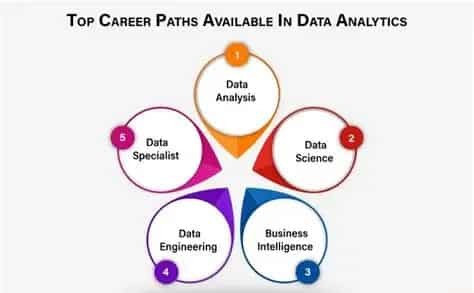
Let’s break down the common career paths, one at a time:
1. Data Analyst
This is the most obvious (and honestly, the most popular) path right after your analytics course. You're the person who plays with data, makes dashboards, and answers questions like “Why are sales down this month?” or “Which product is doing well in South Delhi?”
Tools you'll use? Excel, Power BI, Tableau, SQL. Maybe some Python or R if you're feeling adventurous.
Pro: Great place to start. You’ll build a solid foundation.
Con: It can get repetitive if you're only doing reporting. But hey, we all start somewhere.
📝 Personal Insight: My cousin took an Data analytics course in Delhi last year and landed a job at a small logistics startup in Gurugram. His first few weeks were literally just Excel, Excel, and more Excel. He complained a lot… until he realized that his charts were actually helping the company save money on operations. That’s when it hit him—he was making an impact. Cool, right?
2. Business Intelligence (BI) Analyst
This one’s kind of like being a translator between business goals and technical data. You gather data from various sources, build visualizations (hello, Power BI and Tableau again), and help business heads make smarter decisions.
Pro: You get a seat at the strategy table. You’re not just a backend number person anymore.
Con: It takes time to get here. Companies want some experience under your belt.
⚡ Quick Story: One of my batchmates did a course from Uncodemy and now works at a retail analytics firm in Noida. She told me she spends most of her day working with the marketing team, helping them decide which product lines to promote in different cities. Sounds kinda glam, doesn’t it?
3. Data Scientist (The Fancy Title)
This is where analytics meets machine learning and you get to wear the “cool techie” hat. You’ll write algorithms, build predictive models, and probably flex a little more Python.
But hold on—this isn’t your immediate next step after the course unless you already have a solid base in coding, statistics, and a lot of patience. This one's the mountain, not the first hill.
Pro: High salary, lots of demand.
Con: Not for beginners. Needs serious upskilling. But if you're the type who enjoys solving complex puzzles, this could be your jam.
4. Marketing Analyst / Product Analyst
This one’s super relevant in Delhi’s startup scene. Companies—especially D2C brands—want people who can read customer behavior like a book. You’ll be deep-diving into website traffic, ad spends, product usage, and all that good stuff.
Pro: It’s fun and creative. You get to experiment.
Con: Might need to pick up marketing lingo if you’re from a pure tech background.
🥲 Real Talk: I once interned with a fintech app, and their product analyst was this super chill guy who literally knew what features were failing before customers started complaining. Like some data ninja. I was shook.
5. Freelancer / Consultant
This is for the brave hearts. If you're someone who can confidently pitch, network, and hustle, freelancing or consulting could be your zone. Plenty of small businesses in Delhi are looking for someone to help with basic dashboards or one-time data audits.
Pro: Flexible. You’re your own boss.
Con: No fixed income initially, and getting clients is no joke.
What skills do you actually need?
Okay, straight talk. Doing a course is great, but here’s what recruiters in Delhi usually look for:
- Excel – Master it. It’s not “just Excel.” It’s THE Excel.
- SQL – Like the bread and butter of data. Query it like a boss.
- Power BI or Tableau – Pretty charts aren’t everything, but they sure help.
- Python (Optional but powerful) – Especially if you plan to go into Data Science.
- Storytelling – Yup, not a tech skill, but insanely important. Can you explain your findings in a way that makes sense to someone who doesn’t even like numbers?
Where are the jobs?
Now here’s where being in Delhi NCR helps big time:
- Noida: Think tech startups, edtech, fintech—you name it.
- Gurugram: MNC central. Also, a hub for analytics consulting firms.
- Delhi: Government projects, NGOs, and some HQs of old-school brands.
Platforms like Naukri, Internshala, and LinkedIn are flooded with openings. If you’ve done your analytics course from a solid institute like Uncodemy, and you’ve got a portfolio (yes, make one), then you’re already ahead of a lot of folks.
Career Ladder: What does growth look like?
So let’s say you start as a data analyst. What next?
- After 1–2 years: BI Analyst or Senior Analyst
- After 3–5 years: Analytics Manager or Product/Data Lead
- Beyond that? VP of Analytics, Head of Data Science, or maybe you start your own analytics consultancy.
And hey, switching industries is common. You might start in e-commerce and move to healthcare analytics, or even finance. Data is everywhere. Pick your playground.
Things I Wish Someone Told Me
- It’s okay to not understand everything at once.
Seriously, your first dashboard will suck. Your SQL query will break. You’ll cry over a VLOOKUP. It’s all part of the process. - Soft skills matter.
You can be a Python god, but if you can’t explain your insights without using jargon, you’ll lose the room. - Side projects help.
Build a dashboard on IPL stats. Or analyze Swiggy data. Anything. Just build and post on LinkedIn. It gets attention. - Certifications are cool, but skills win.
Show, don’t just tell. Your GitHub, portfolio, or blog can be more powerful than a 10-page resume.
Do’s and Don’ts
✅ Do:
- Practice daily, even for 30 mins.
- Talk to people in the field. LinkedIn is gold.
- Keep updating your resume.
- Join communities—Discord, Slack, whatever works.
❌ Don’t:
- Assume one course will teach you everything.
- Ignore communication skills.
- Copy projects from YouTube and call them yours.
- Panic if you don’t get a job immediately. Patience!
FAQs (Because Why Not?)
Q: Can I get a job right after my analytics course?
A: Yes, especially in Delhi NCR. But build a portfolio and apply smartly.
Q: Is coding mandatory?
A: Not always. But basic Python/SQL helps a LOT.
Q: Which industries hire analysts in Delhi?
A: E-commerce, Edtech, Healthcare, Finance, Logistics—you name it.
Q: Do Uncodemy certifications hold value?
A: Definitely, especially if you’ve got projects and practicals to back it up.
Q: How do I stand out in job applications?
A: Portfolio + smart resume + networking. And maybe a bit of LinkedIn stalking 😅
Final Thoughts
So, wrapping this up—doing an analytics course in Delhi isn’t just a “trending” move. It’s a genuinely smart career path if you’re curious, willing to learn, and ready to be patient. It’s not always glamorous, but it’s real, growing, and super relevant in today’s job scene.
You’re not just working with data. You’re turning confusion into clarity. That’s powerful, if you ask me.
Now go build that dashboard. Or apply for that internship. Or heck, even message someone on LinkedIn and ask them how they got started. You never know what might click.
And hey, if you ever feel stuck then grab a chai, take a breather, and remind yourself: you’re learning something most people are scared to even try. That’s already a win.