The SAP PP (Production Planning) module is evolving in response to advancements in
technology and changing business needs. Here are some current trends in SAP PP :
1. Integration with IoT and Industry 4.0- SAP PP
is increasingly integrating with IoT (Internet of Things) devices and Industry 4.0
technologies. This integration allows real-time data collection from machines and production
lines, enabling more accurate production planning, predictive maintenance, and improved
overall equipment effectiveness (OEE).
2. Advanced Analytics and AI- The use of advanced
analytics and artificial intelligence (AI) in SAP PP helps in predictive analysis, anomaly
detection, and optimization of production processes. AI-driven algorithms can analyze large
datasets to identify patterns and recommend improvements in production scheduling and
resource allocation.
3. Cloud-Based Solutions- Many organizations are
migrating their SAP PP module to cloud-based platforms. Cloud solutions offer greater
scalability, flexibility, and cost savings. They also facilitate easier integration with
other cloud-based applications and services.
4. Enhanced User Experience with Fiori- SAP
PPFiori provides a modern and intuitive user interface for SAP PPapplications. SAP PP users
benefit from Fiori apps that offer simplified and role-based access to production planning
and control functions, improving usability and productivity.
5. S/4HANA Adoption- The transition to SAP
PPS/4HANA brings significant improvements to the SAP PP module. S/4HANA's in-memory
computing capabilities enhance data processing speeds, enabling real-time insights and more
efficient production planning.
6. Integration with Supply Chain Management (SCM)-
Closer integration between SAP PP and SCM modules allows for end-to-end visibility and
control over the entire supply chain. This integration helps in aligning production
schedules with supply chain activities, reducing lead times, and improving responsiveness to
market demands.
7. Sustainability and Green Manufacturing- There
is a growing focus on sustainability in manufacturing. SAP PP is incorporating features that
help organizations monitor and reduce their environmental impact, such as tracking energy
consumption, waste management, and carbon footprint.
8. Mobile Accessibility- Mobile access to SAP PP
functionalities enables managers and workers to monitor and control production processes
from anywhere, enhancing flexibility and decision-making speed.
9. Digital Twin Technology- The implementation of
digital twins—virtual replicas of physical assets—allows manufacturers to simulate and
optimize production processes, identify potential issues, and make data-driven decisions.
10. Collaboration and Social Media Integration-
Enhanced collaboration tools and integration with social media platforms facilitate better
communication and collaboration among production teams, suppliers, and stakeholders.
These trends are shaping the future of SAP PP ,
making production planning more efficient, agile, and responsive to the dynamic needs of
modern manufacturing environments.

















































.webp)













.webp)







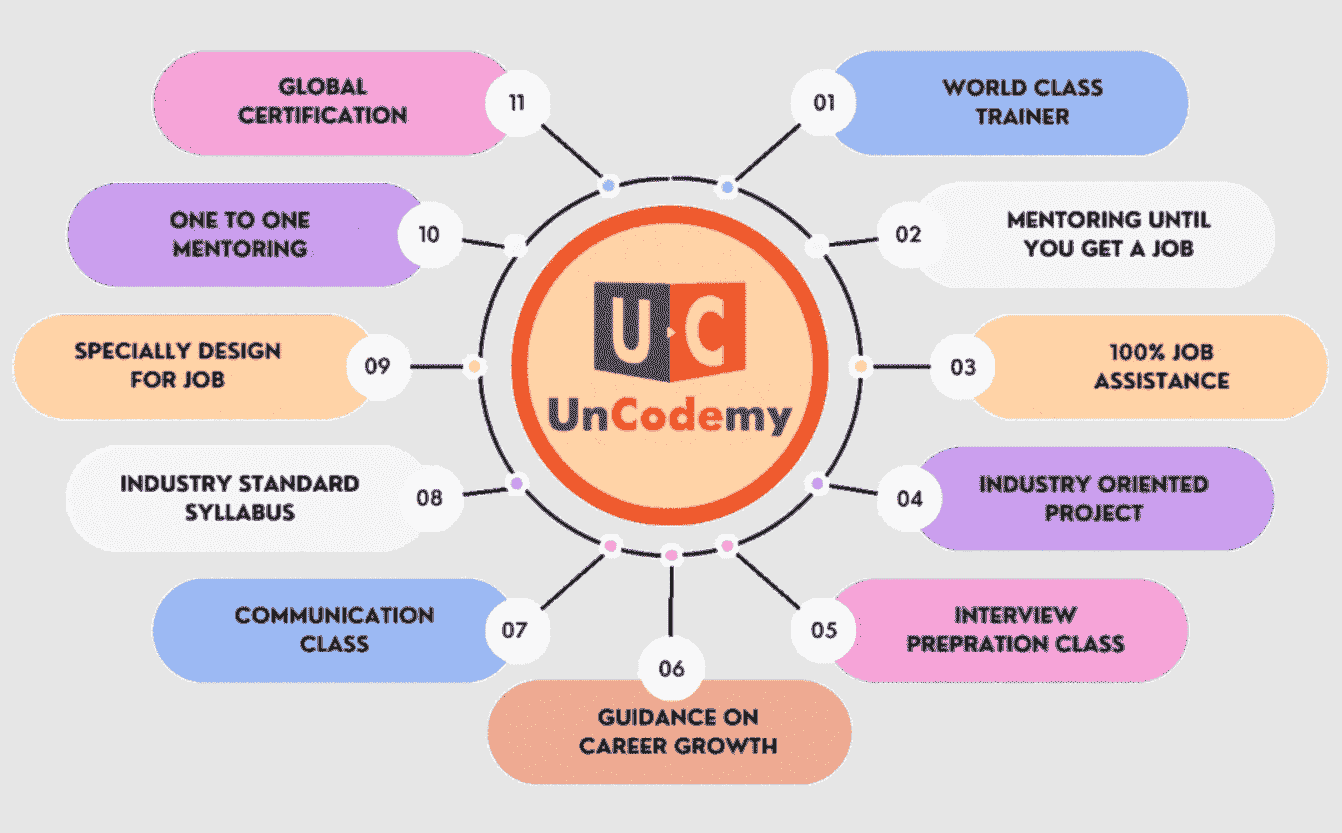




 Classroom Training
 Live - Projects Work
 Placement
 Interview
 Internship