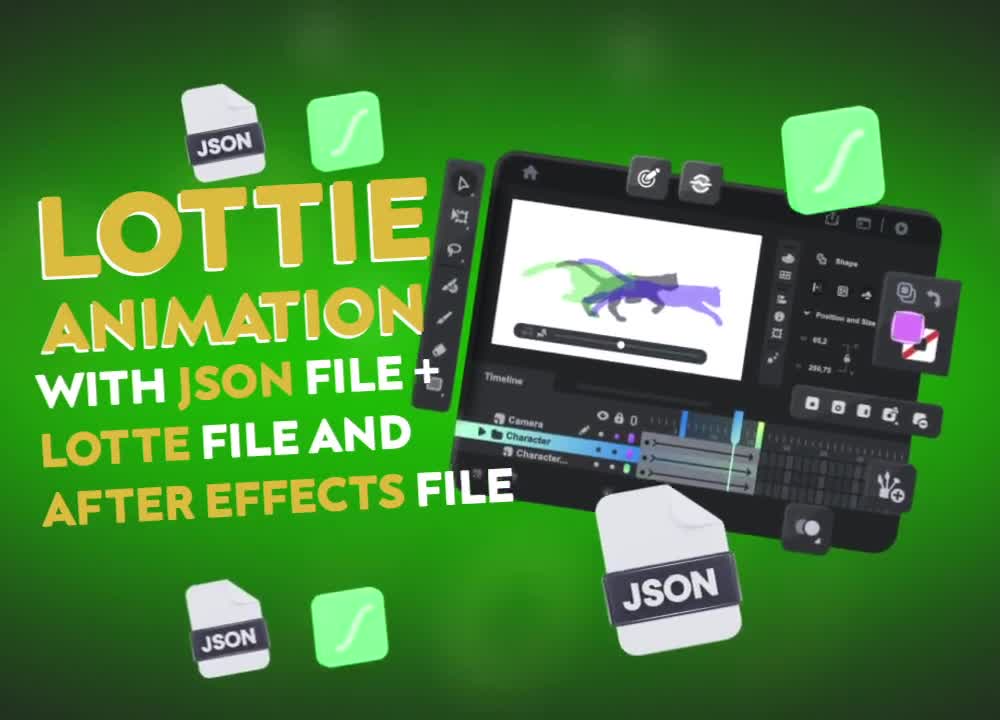
Modern application development emphasizes the importance of engaging user interfaces that provide visual feedback during loading processes, data fetching operations, and content transitions. Loading animations have emerged as essential components that prevent user frustration during wait times while communicating system activity and maintaining user engagement throughout various application workflows and user interaction scenarios.
The integration of Lottie animations and JSON-based animation systems represents a revolutionary approach that enables developers to implement complex, high-quality animations without compromising application performance or increasing development complexity. This methodology has transformed how professionals approach animation implementation, offering scalable solutions that work effectively across web, mobile, and desktop applications.
Contemporary businesses recognize the substantial impact that well-implemented loading animations have on user retention, perceived performance, and overall application quality. These visual elements serve as crucial touchpoints that influence user perception of application responsiveness and professional quality, making their implementation essential for competitive advantage in today's digital marketplace.
Understanding Lottie Animation Technology
Lottie represents a groundbreaking animation library developed by Airbnb that revolutionizes how developers integrate complex animations into applications without requiring extensive development resources or compromising performance characteristics. This innovative technology renders After Effects animations in real-time using JSON files, enabling designers and developers to collaborate more effectively while maintaining animation quality and performance optimization.
The core advantage of Lottie technology lies in its ability to render vector-based animations that scale seamlessly across different screen resolutions and device types while maintaining crisp visual quality and smooth performance. Unlike traditional animation approaches that rely on static image sequences or complex code implementations, Lottie animations remain lightweight and easily customizable throughout the development lifecycle.
JSON-based animation files provide exceptional flexibility for animation customization, enabling developers to modify colors, timing, and interactive behaviors without requiring design software or extensive animation expertise. This approach significantly reduces the complexity of implementing sophisticated loading animations while maintaining the creative flexibility necessary for unique user experience design.
The technology supports advanced animation features including interactive elements, dynamic data binding, and programmatic control that enable developers to create responsive loading animations that adapt to different content types and loading scenarios. These capabilities make Lottie an ideal solution for applications requiring sophisticated user feedback systems and engaging interface elements.
Essential Implementation Techniques for Loading Animations
Successful implementation of Lottie-based loading animations requires comprehensive understanding of JSON file structure, animation timing principles, and integration methodologies that ensure optimal performance across different application environments and user scenarios. Developers must master techniques for animation optimization, event handling, and responsive behavior to create effective loading experiences.
The implementation process begins with proper JSON file preparation, including optimization for file size, loading performance, and compatibility across different browsers and devices. These considerations significantly impact user experience quality and application performance, particularly in scenarios involving slower network connections or limited device capabilities.
Animation timing and synchronization play crucial roles in creating effective loading experiences that appropriately communicate system status and maintain user engagement. Developers must understand how to coordinate animation playback with actual loading processes, ensuring that visual feedback accurately represents system activity and loading progress throughout various application workflows.
Integration with existing application architectures requires careful consideration of component lifecycle management, memory usage optimization, and event handling strategies that prevent performance degradation or user experience issues. These technical considerations become particularly important in complex applications with multiple concurrent loading processes and dynamic content requirements.
Comprehensive Frontend Development Training Through Uncodemy's Frontend Development Course
Aspiring developers seeking to master modern animation techniques and advanced user interface development can benefit significantly from structured learning programs that provide comprehensive training in contemporary frontend technologies. Uncodemy's Frontend Development Course offers extensive coverage of HTML, CSS, JavaScript, and animation libraries including Lottie, enabling students to create sophisticated interactive applications.
This specialized program addresses the growing demand for developers who can implement engaging user interfaces that combine functional requirements with compelling visual design elements. Students learn practical techniques for animation integration, performance optimization, and cross-platform compatibility while maintaining code quality and adherence to industry best practices.
The course curriculum includes hands-on projects that allow participants to practice Lottie implementation using real-world scenarios and industry-standard development workflows. This practical approach ensures that students develop both theoretical understanding and technical proficiency necessary for success in contemporary frontend development roles that require advanced animation and user experience expertise.
Participants gain exposure to emerging trends in frontend development including progressive web applications, modern JavaScript frameworks, and animation optimization techniques that enable them to create cutting-edge user interfaces. The program emphasizes practical application while providing strong foundational knowledge that supports long-term career growth in frontend development and user interface design fields.
Advanced React Development with Uncodemy's React JS Course
React applications require specialized approaches to animation implementation that leverage component-based architecture and state management principles for optimal performance and maintainability. Uncodemy's React JS Course provides comprehensive training in React development methodologies while covering advanced topics including Lottie integration, component optimization, and modern animation techniques.
Students learn to implement sophisticated loading animations within React applications using best practices for component lifecycle management, state synchronization, and performance optimization. The program emphasizes practical techniques for integrating Lottie animations with React components while maintaining code reusability and application scalability.
The curriculum covers advanced React concepts including hooks, context API, and performance optimization strategies that enhance animation implementation effectiveness while ensuring optimal application performance. Participants develop skills in creating reusable animation components, managing animation state, and implementing responsive animation behaviors that adapt to different user scenarios.
Graduates of this program possess specialized React expertise that enables them to create sophisticated single-page applications with engaging animation elements that enhance user experience while maintaining optimal performance characteristics. This focused training prepares students for specialized roles in React development, frontend engineering, and modern web application development.
Mobile Application Development Through Uncodemy's React Native Course
Cross-platform mobile development requires sophisticated understanding of animation performance optimization and platform-specific considerations that ensure smooth user experiences across iOS and Android devices. Uncodemy's React Native Course provides comprehensive training in mobile development while covering Lottie integration, performance optimization, and platform-specific animation implementation strategies.
The program addresses the unique challenges of mobile animation implementation including battery usage optimization, memory management, and touch interaction handling that are essential for creating professional-quality mobile applications. Students learn advanced techniques for implementing loading animations that maintain performance while providing engaging user feedback across different mobile devices and operating systems.
Students develop proficiency in React Native development while learning to implement sophisticated animation systems that leverage device capabilities effectively. The curriculum includes modules on gesture handling, animation performance optimization, and platform-specific design guidelines that ensure animations meet user expectations and platform standards.
The comprehensive training approach ensures that graduates can create mobile applications with professional-quality animation elements that enhance user engagement while maintaining optimal performance across diverse mobile devices and operating system versions.
Advanced Animation Optimization and Performance Considerations
Professional animation implementation requires systematic approaches to performance optimization, memory management, and resource utilization that ensure smooth user experiences across different devices and network conditions. These considerations significantly impact application quality and user satisfaction in production environments.
File size optimization techniques including JSON compression, animation simplification, and asset management strategies contribute to faster loading times and improved application performance. These technical improvements become particularly important for applications targeting users with limited bandwidth or older devices with reduced processing capabilities.
Memory management considerations involve implementing proper animation lifecycle handling, resource cleanup procedures, and efficient rendering strategies that prevent performance degradation during extended application usage. These practices ensure that animations continue to perform smoothly throughout extended user sessions without causing memory leaks or system slowdowns.
Cross-platform performance optimization requires understanding of different browser engines, mobile operating systems, and device capabilities that influence animation performance characteristics. This comprehensive approach ensures consistent user experiences regardless of the specific technical environment users employ for application access.
Integration with Modern Development Workflows
Successful Lottie animation implementation requires integration with contemporary development workflows including version control systems, build processes, and deployment pipelines that support efficient development and maintenance procedures. These considerations significantly impact development productivity and long-term project maintainability.
Asset management strategies involve establishing procedures for animation file organization, version control, and deployment coordination that ensure consistent animation quality across different development environments and deployment stages. These processes facilitate effective collaboration between designers and developers while maintaining animation quality standards.
Automated testing approaches for animation implementations include visual regression testing, performance benchmarking, and cross-browser validation procedures that identify potential issues before deployment to production environments. These quality assurance measures ensure that animations function correctly across different technical environments and usage scenarios.
Continuous integration and deployment considerations involve optimizing build processes for animation assets while maintaining efficient deployment procedures and rollback capabilities. These technical processes ensure that animation updates can be deployed safely and efficiently without disrupting application functionality or user experience quality.
Design System Integration and Component Architecture
Modern application development emphasizes the importance of design systems and reusable component architectures that enable consistent animation implementation across different application sections and development teams. These approaches significantly enhance development efficiency while ensuring visual consistency and maintainability.
Component-based animation architecture involves creating reusable animation components that encapsulate Lottie integration logic while providing consistent APIs for different usage scenarios. This approach enables developers to implement animations efficiently while maintaining code quality and reducing duplication across application components.
Design token integration ensures that animation properties including timing, colors, and behavioral characteristics remain consistent with overall design system guidelines and brand requirements. These considerations become particularly important for applications requiring consistent user experience across multiple platforms and user interface contexts.
Documentation and style guide development for animation components enables effective knowledge sharing and consistent implementation across development teams. These resources ensure that animation implementations meet quality standards while facilitating efficient development and maintenance procedures.
Testing Strategies and Quality Assurance Methodologies
Comprehensive testing approaches ensure that Lottie-based loading animations function reliably across different devices, browsers, and user scenarios while maintaining performance standards and visual quality. These validation processes identify potential issues before deployment and ensure consistent user experiences.
Visual testing methodologies involve validating animation appearance, timing, and interactive behaviors across different viewing environments to ensure consistent user experiences. These testing approaches identify rendering issues, performance problems, and compatibility concerns that could negatively impact user experience quality.
Performance testing procedures include measuring animation frame rates, memory usage patterns, and loading times across different devices and network conditions. These metrics provide insights into animation efficiency and identify optimization opportunities that enhance user experience quality.
User experience testing methodologies including usability studies, loading time perception analysis, and user feedback collection provide insights into animation effectiveness and opportunities for improvement. These data-driven approaches enable continuous optimization and validation of animation design decisions.
Future Trends and Emerging Technologies
The rapidly evolving animation technology landscape continues to introduce new capabilities, optimization techniques, and integration approaches that enhance loading animation effectiveness while improving development efficiency and user experience quality. Staying current with these developments enables developers to create cutting-edge animation solutions.
Emerging animation technologies including web assembly integration, advanced GPU acceleration, and artificial intelligence-powered optimization techniques provide new opportunities for enhanced animation performance while maintaining broad compatibility and ease of implementation.
Progressive web application technologies and advanced caching strategies create new possibilities for animation optimization and offline functionality that enhance user experience quality while reducing bandwidth requirements and loading times.
Integration with emerging design tools, automated animation generation systems, and collaborative workflows presents new opportunities for improved designer-developer collaboration while maintaining animation quality and implementation efficiency.
Implementing loading animations using Lottie and JSON files represents a critical skill for modern developers that directly impacts user experience quality and application success. Through comprehensive training programs like those offered by Uncodemy, aspiring developers can master the technical skills and design principles necessary to create engaging loading experiences that enhance user satisfaction while maintaining optimal performance across diverse platforms and devices.