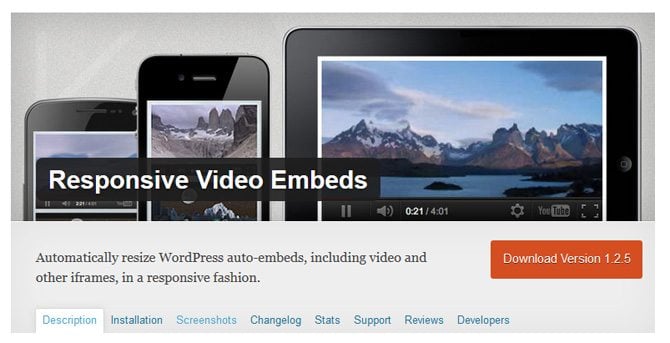
A responsive video embed automatically adjusts its size to fit the screen on which it is being viewed, whether it is a desktop, tablet, or mobile phone. Without responsiveness, videos may appear cropped, distorted, or simply too small to enjoy. This can create a poor user experience and cause readers to leave the page. For bloggers, marketers, and aspiring writers, learning how to embed responsive videos is a valuable skill that not only improves user experience but also boosts the visibility and ranking of a blog.
For learners and professionals who wish to master such skills, Uncodemy offers training programs like the Digital Marketing Course and the Content Marketing and Blogging Course. These programs not only cover strategies for writing engaging content but also teach practical skills such as embedding responsive videos to make blogs more attractive and impactful.
Why Responsive Video Embeds Are Important
Responsive design is no longer optional in today’s blogging world. A significant portion of online readers access content through mobile devices, and if videos are not optimized for smaller screens, the blog can lose credibility quickly. Imagine opening a blog where the text looks fine, but the video is cut off or shrinks awkwardly. Readers are unlikely to stay long in such cases. A responsive embed ensures that the video resizes smoothly without affecting the quality or layout of the blog.
This improved user experience also plays a role in search engine optimization. Search engines analyze how long users stay on a page and how they interact with the content. If videos keep the audience engaged for longer, the blog is more likely to rank higher. For students interested in understanding how technical elements like responsiveness impact SEO, Uncodemy’s courses provide in-depth explanations combined with hands-on practice.
The Role of Videos in Blog Engagement
Videos do more than just decorate a blog post. They simplify complex topics, provide demonstrations, and break the monotony of long articles. For example, a blog post explaining how digital marketing works may feel overwhelming in text form, but if paired with a short explanatory video, the content becomes far easier to understand. Readers are more likely to remember what they watched than what they read.
Videos also improve the shareability of content. A blog that features a video tutorial, product review, or industry insight can spread faster on social platforms. When readers find value in a video embedded within a blog, they are more inclined to share it with others. This expands the reach of the blog and increases brand visibility. Students aspiring to build careers in digital marketing or content creation can benefit from Uncodemy’s courses, where they learn how to blend text, visuals, and videos effectively to create blogs that perform well.
Common Challenges Faced While Embedding Videos
For beginners, adding a video to a blog might seem as simple as pasting a link. While this might technically display the video, it usually does not adapt well to different screens. On larger devices, the video may look fine, but on mobile phones, it could shrink, overlap text, or look cut off. This lack of responsiveness creates a poor impression.
Another challenge is website performance. Videos, if not embedded properly, can slow down the page loading speed. A slow-loading blog frustrates readers and increases bounce rates. It also affects search engine rankings since page speed is an important ranking factor. Therefore, bloggers and content creators need to find a balance between enhancing the blog with videos and keeping it fast and efficient. Uncodemy’s training courses teach students how to use lightweight, optimized video embed codes and techniques that maintain site performance without sacrificing quality.
Best Practices for Embedding Responsive Videos
There are several best practices every content creator should keep in mind when embedding videos in blogs. The first is to use flexible embed codes that adjust to container width instead of fixed pixel sizes. This ensures that videos expand or contract based on the screen being used. The second is to maintain aspect ratios by wrapping videos in responsive containers. This keeps the video layout consistent and avoids awkward stretching or squashing of visuals. The third best practice is to test videos on multiple devices before publishing the blog to ensure smooth playback everywhere.
Accessibility is another important factor. Adding subtitles, captions, or transcripts alongside videos makes them usable for a wider audience, including those who cannot listen to audio. This not only improves inclusivity but also enhances SEO because search engines can crawl the transcript content. These practices might sound technical at first, but with proper guidance, they become second nature. Uncodemy’s digital marketing and web development programs emphasize such details, equipping students with both creative and technical expertise.
How Responsive Videos Improve SEO
Search engines prioritize websites that offer smooth and engaging experiences. A blog with responsive videos encourages readers to stay longer, and this increased dwell time signals to search engines that the content is valuable. The result is often improved rankings on search engine results pages. Additionally, videos with proper metadata and descriptions can rank individually on video search platforms like YouTube and Google Videos, generating additional traffic.
Responsive videos also reduce bounce rates. If readers can watch a video directly within the blog instead of navigating to an external platform, they are more likely to continue exploring the website. This not only improves engagement but also boosts the chances of conversions, whether that means newsletter sign-ups, course enrollments, or product purchases. Students enrolled in Uncodemy’s courses learn how these elements work together to create a holistic content strategy that improves both user experience and SEO performance.
Real-World Applications of Responsive Video Embeds
From education to marketing, responsive video embeds have real-world applications across various fields. Educational blogs can use videos to explain technical concepts in a simpler way. Marketing blogs can feature promotional videos that look good on every device, increasing product visibility. Tech blogs can include tutorials and demonstrations without worrying about display issues. Even personal blogs benefit when travel vlogs or storytelling clips adapt seamlessly to screens.
For beginners, learning these applications opens doors to diverse career paths. Whether one wants to become a content strategist, digital marketer, or web developer, understanding responsive video embeds adds to professional credibility. Uncodemy’s training programs focus exactly on this kind of practical knowledge, preparing students to apply their skills across industries.
Why Students Should Learn This Skill
Blogging is no longer just about writing; it is about creating experiences. Students who want to succeed in digital fields need to understand how different content formats work together. Videos are among the most consumed forms of media today, and being able to embed them responsively is a skill that sets one apart from others. It shows technical awareness, attention to detail, and a focus on audience experience.
Uncodemy recognizes this need and incorporates such practical topics into its courses. By joining their digital marketing or blogging courses, students not only learn the theory but also practice embedding videos, optimizing blogs, and analyzing results. This hands-on approach ensures that learners leave with skills they can immediately apply in internships, freelance projects, or full-time roles.
Conclusion
Adding responsive video embeds in blog posts is more than a technical detail; it is a necessity in modern blogging. It enhances user experience, boosts SEO, increases engagement, and makes blogs more shareable. While beginners may face challenges like maintaining responsiveness and site speed, following best practices can make the process easier. For students and aspiring professionals, mastering this skill can open up career opportunities in content creation, marketing, and web development.
Uncodemy plays a vital role in bridging the gap between theory and practice by offering training programs that cover everything from content writing to responsive design. With proper guidance and hands-on practice, learners can master the art of creating blogs that are not only informative but also visually appealing and technically optimized. Responsive video embeds are no longer optional—they are the key to creating blogs that stand out in the competitive digital landscape.