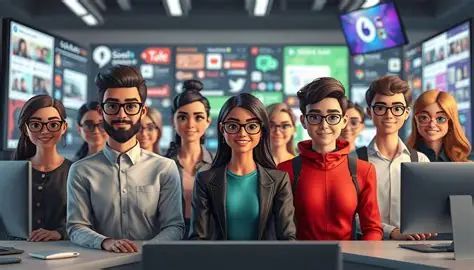
The bigger brands have already caught on. Some are using avatars as virtual product spokespeople, others as trainers for customer onboarding. But here’s the kicker: the same technology is accessible to small businesses and solo creators too. You don’t need a Hollywood budget; you just need the right tools and a bit of know-how.
And that know-how? That’s exactly what Uncodemy’s Artificial Intelligence and Digital Marketing courses give you — not just “how to click a button,” but how to actually design, deploy, and use avatars as part of a strategy.
Let’s Get Clear: What Are AI Avatars?
At the simplest level, an AI avatar is a digital human that can talk, move, and express emotions on screen. You give it a script, and it delivers it back as a video. Some avatars look ultra-realistic, almost indistinguishable from actual people. Others lean more stylized, with a slightly animated vibe.
What makes them powerful isn’t the avatar itself, but what you can do with it:
- Announce your product launch in 5 different languages without hiring 5 different actors.
- Post consistent weekly updates without worrying about scheduling shoots.
- Personalize videos at scale (imagine sending 1000 prospects a “custom” video intro).
So, when you think of AI avatars, don’t think of them as gimmicks. Think of them as brand representatives that live inside your toolkit.
Why Brands Love AI Avatars
Let’s break down why marketers are obsessed with this tech:
- It scales like crazy – You can generate dozens of videos in the time it’d take to plan one traditional shoot.
- It’s consistent – Your avatar doesn’t stumble on lines or show up tired. Every video has the same quality.
- It saves money – No actors, no studios, no makeup crew. The avatar is the production.
- It localizes instantly – Switch languages with one click. Perfect if you’re targeting global audiences.
- It sparks creativity – Your avatar can be playful, serious, professional, or even futuristic depending on your campaign vibe.
For startups and creators, that means you can look as polished as bigger competitors without burning your entire budget.
Step-By-Step: How to Create an AI Avatar for Marketing
Alright, let’s roll up our sleeves and make this practical.
Step 1: Decide Why You’re Using It
Are you making explainer videos? Quick Instagram reels? A consistent spokesperson for your brand? The purpose shapes the design.
Step 2: Pick a Platform
- Synthesia – Great for professional corporate explainer videos.
- D-ID – Good for social-media-friendly, snappy content.
- Rephrase.ai – Useful for personalized outreach campaigns.
- HeyGen – Known for multilingual, conversational avatars.
Step 3: Customize Your Avatar
Most tools let you pick appearance, clothing, background, and voice. Think of this step as “casting” your virtual spokesperson.
Step 4: Script It Well
This is where many go wrong. Don’t write stiff, corporate copy. Write like you’d speak. Short, casual, and with energy.
Step 5: Generate, Edit, Publish
Let the AI render the video. Add subtitles, branding, and maybe a catchy music track. Then push it out to Instagram, LinkedIn, or wherever your audience lives.
Done. What used to take weeks now takes hours.
Where Uncodemy Fits In
Here’s the reality: anyone can press buttons on Synthesia. But making AI avatars work for marketing? That’s a skill.
Uncodemy’s courses give you that skill set. You’ll learn:
- How the AI models behind avatars work (so you know what they’re capable of — and where they fall short).
- How to craft scripts that sound natural and engaging.
- How to integrate avatar content into broader campaigns — not just random one-offs.
- How to analyze performance data and refine your strategy.
That means you’re not just a user of tools you become a strategist and creator who can deliver results.
A Case Study: A Startup Using AI Avatars
Let’s walk through an example.
Imagine you’re running a fitness app. You want to post daily health tips on Instagram, but you can’t realistically hire a trainer to record 30 videos every month.
Here’s what you do:
- Create a fitness-style avatar sporty outfit, energetic tone.
- Write 30 short scripts, each 20–30 seconds long. Example: “3 stretches to fix your posture at your desk.”
- Generate the videos with your avatar.
- Add subtitles, music, and branding.
- Schedule them as reels across the month.
Now your app has daily content, looks consistent, and positions itself as a trustworthy fitness authority — all without breaking the bank.
That’s the exact kind of workflow you’d practice in an Uncodemy training project, where you’re not just told the theory but actually build campaigns with guidance.
Mistakes to Avoid
A few common pitfalls when using AI avatars:
- One-size-fits-all scripts: What works on LinkedIn won’t work on TikTok. Tailor tone and length.
- Overexposure: Don’t make your avatar the only face of your brand. Mix in real human content for authenticity.
- Ignoring branding: Your avatar should reflect your color palette, tone, and values. Treat it like a real spokesperson.
- Stiff delivery: The AI is only as good as the script. Write like you’re talking to a friend, not delivering a lecture.
The Future of AI Avatars in Marketing
We’re just scratching the surface. Here’s what’s coming next:
- Interactive avatars: Instead of passively watching, audiences will chat with avatars that respond in real-time.
- Metaverse branding: Avatars will host virtual events and product launches in digital worlds.
- Hyper-personalization: Imagine sending every customer a unique avatar-delivered thank-you video after purchase.
In other words, what feels futuristic today will soon be normal. Those who know how to use avatars strategically will be way ahead of the curve.
Why Learning Now Pays Off
Think about it. Right now, most businesses are just experimenting with AI avatars. A year from now, it’ll be the norm. Two years from now, audiences will expect it.
So if you learn the skill today, you’re not playing catch-up later. You’re the person who already knows how to:
- Design avatars that align with a brand.
- Script content that keeps audiences watching.
- Blend AI avatars into larger campaigns that actually drive revenue.
That’s the real edge Uncodemy gives you — hands-on, applied training that prepares you for where marketing is going, not just where it’s been.
Wrapping It Up
AI avatars aren’t replacing humans in marketing. They’re expanding what’s possible. They let startups look professional, let creators pump out content at scale, and let big brands reach audiences globally with consistency.
The difference between a forgettable AI avatar and a campaign that actually works comes down to skill. If you want to learn how to create avatars that feel human, how to script them right, and how to fold them into a strategy, Uncodemy’s courses are the place to start.
The future of marketing is digital humans. The question is do you want to just watch them, or do you want to be the one creating them?