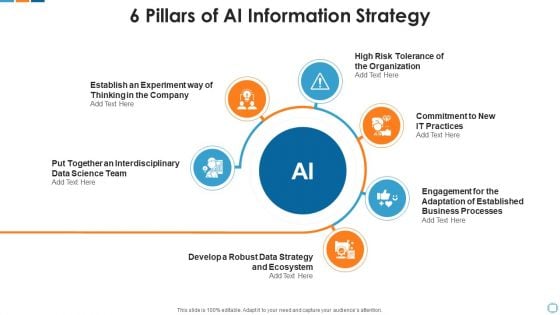
Content pillar strategies have become fundamental components of successful digital marketing campaigns, providing structured frameworks that enable businesses to maintain consistent messaging across multiple platforms and touchpoints. These comprehensive approaches allow organizations to establish thought leadership, build audience trust, and create sustainable content ecosystems that drive meaningful engagement and conversions over extended periods.
The integration of artificial intelligence into content pillar development represents a significant advancement that enables marketers to overcome traditional challenges related to content planning, creation, and optimization. By leveraging sophisticated AI tools, professionals can develop more effective strategies that align with audience preferences while maximizing resource efficiency and campaign performance across diverse digital channels.
Understanding Content Pillar Fundamentals in the AI Era
Content pillars serve as foundational themes that guide content creation efforts throughout marketing campaigns, providing consistent frameworks that ensure messaging coherence across different platforms and audience segments. These strategic elements help organizations maintain focus while exploring various content formats and distribution channels that resonate with their target demographics.
The traditional approach to content pillar development often involves extensive manual research, brainstorming sessions, and iterative planning processes that consume significant time and resources. Modern AI tools have revolutionized this approach by providing data-driven insights, automated research capabilities, and predictive analytics that enhance decision-making throughout the strategy development process.
Contemporary marketers who embrace AI-powered content pillar strategies often experience substantial improvements in content performance, audience engagement, and overall campaign effectiveness. These tools enable professionals to identify emerging trends, analyze competitor strategies, and optimize content themes based on real-time market feedback and audience behavior patterns.
The evolution of AI technology has created unprecedented opportunities for content creators to develop sophisticated pillar strategies that incorporate multiple data sources, audience insights, and performance metrics. This comprehensive approach ensures that content pillars remain relevant, engaging, and effective throughout extended campaign periods while adapting to changing market conditions and audience preferences.
Essential AI Tools for Content Pillar Strategy Development
Modern content strategists have access to an extensive array of artificial intelligence tools that can significantly enhance their pillar development processes. These sophisticated platforms offer capabilities ranging from keyword research and trend analysis to content ideation and performance optimization, enabling professionals to create more effective and data-driven strategies.
Natural language processing tools have emerged as particularly valuable resources for content pillar development, offering insights into audience language preferences, sentiment analysis, and topic modeling that inform strategic decisions. These capabilities enable marketers to align their content pillars with actual audience interests and communication patterns rather than relying solely on assumptions or limited market research.
Machine learning algorithms integrated into content planning platforms can analyze vast amounts of data to identify optimal content themes, timing strategies, and format preferences for specific audience segments. This analytical capability enables strategists to develop more targeted and effective pillar strategies that maximize engagement potential while minimizing resource waste.
Predictive analytics tools represent another crucial category of AI resources that enable content strategists to anticipate future trends, seasonal patterns, and audience behavior changes. These insights allow professionals to develop proactive pillar strategies that remain relevant and effective throughout extended periods while adapting to evolving market conditions and competitive landscapes.
Strategic Framework Development Through Uncodemy's Digital Marketing Course
Content professionals seeking to master AI-powered pillar strategy development can benefit significantly from structured learning programs that provide comprehensive training in modern digital marketing methodologies. Uncodemy's Digital Marketing Course offers extensive coverage of content strategy fundamentals, AI tool integration, and performance optimization techniques essential for contemporary marketing success.
This specialized program addresses the growing demand for professionals who can effectively leverage artificial intelligence tools while maintaining strategic thinking and creative problem-solving capabilities. Students learn practical techniques for tool selection, strategy development, and performance measurement that directly apply to content pillar creation and optimization challenges.
The course curriculum includes hands-on projects that allow participants to practice AI-powered strategy development using real-world scenarios and industry-standard tools. This practical approach ensures that students develop both theoretical understanding and technical proficiency necessary for success in modern content marketing roles that require AI tool expertise.
Participants gain exposure to emerging trends in AI-powered content creation, audience analysis, and performance optimization that enable them to stay ahead of industry developments. The program emphasizes practical application while providing strong foundational knowledge that supports long-term career growth in digital marketing and content strategy fields.
Advanced Analytics and Optimization with Uncodemy's Data Science Program
The successful implementation of AI-powered content pillar strategies requires sophisticated analytical capabilities that enable professionals to measure performance, identify optimization opportunities, and make data-driven strategic adjustments. Uncodemy's Data Science Program provides comprehensive training in statistical analysis, machine learning, and data visualization techniques essential for advanced content strategy optimization.
Students learn to work with complex datasets, implement predictive models, and develop automated analysis workflows that support continuous strategy refinement. These technical skills complement content strategy knowledge by enabling professionals to extract actionable insights from performance data and audience behavior patterns.
The program covers advanced topics including sentiment analysis, natural language processing, and automated reporting systems that directly support content pillar strategy development and optimization. Participants develop capabilities in data collection, processing, and interpretation that enhance their strategic decision-making throughout content planning and execution phases.
Graduates of this program possess unique combinations of technical and strategic skills that enable them to bridge the gap between data analysis and content strategy implementation. This interdisciplinary expertise has become increasingly valuable as organizations seek professionals who can leverage AI tools effectively while maintaining strategic oversight and creative direction.
Social Media Integration Through Uncodemy's Social Media Marketing Certification
Content pillar strategies must account for the unique requirements and opportunities presented by different social media platforms, each with distinct audience behaviors, content formats, and engagement mechanisms. Uncodemy's Social Media Marketing Certification provides specialized training in platform-specific optimization, audience engagement, and AI-powered content distribution strategies.
This comprehensive program addresses the complexities of multi-platform content pillar implementation, teaching students how to adapt their core themes for different social media environments while maintaining consistency and brand alignment. Participants learn advanced techniques for content repurposing, community management, and performance tracking across diverse digital channels.
The certification curriculum includes modules on emerging social media trends, algorithm optimization, and AI-powered content scheduling that enhance pillar strategy effectiveness. Students develop skills in cross-platform campaign coordination, audience segmentation, and automated engagement strategies that maximize content pillar impact across social media ecosystems.
Participants also learn to integrate social media insights with broader content pillar strategies, creating feedback loops that inform strategic adjustments and optimization efforts. This holistic approach ensures that social media activities support overall content objectives while contributing valuable audience insights that enhance pillar development processes.
Technical Implementation and SEO Optimization
The technical aspects of content pillar implementation require careful attention to search engine optimization principles, website architecture, and content distribution systems that support long-term strategic objectives. These technical considerations significantly impact the effectiveness of AI-powered strategies and require specialized knowledge to implement successfully.
Search engine optimization plays a crucial role in content pillar success, as properly optimized content pillars can drive sustained organic traffic while supporting broader marketing objectives. AI tools can significantly enhance SEO implementation by providing keyword research, content optimization suggestions, and performance tracking capabilities that ensure consistent search engine visibility.
Content management systems and distribution platforms must be configured to support pillar-based content organization, enabling efficient content creation workflows and performance tracking across multiple channels. Technical implementation considerations include URL structures, metadata optimization, and internal linking strategies that reinforce pillar themes while supporting user experience objectives.
The integration of AI tools with existing marketing technology stacks requires careful planning and technical expertise to ensure seamless data flow and automated workflow execution. Successful implementation enables organizations to leverage AI capabilities while maintaining control over strategic direction and content quality standards.
Performance Measurement and Strategy Optimization
Effective content pillar strategies require comprehensive performance measurement systems that enable continuous optimization and strategic refinement based on real-world results and audience feedback. AI-powered analytics tools provide sophisticated measurement capabilities that far exceed traditional metrics and reporting approaches.
Modern measurement approaches incorporate multiple data sources including engagement metrics, conversion tracking, sentiment analysis, and competitive benchmarking to provide holistic performance assessments. These comprehensive analyses enable strategists to identify successful pillar elements while pinpointing areas requiring adjustment or enhancement.
Automated reporting systems powered by artificial intelligence can provide real-time insights into pillar performance, enabling rapid strategic adjustments and optimization efforts. These systems reduce manual analysis requirements while providing more detailed and accurate performance assessments than traditional measurement approaches.
The iterative optimization process involves continuous testing, analysis, and refinement of pillar strategies based on performance data and market feedback. AI tools enable more sophisticated testing approaches including multivariate analysis, predictive modeling, and automated optimization recommendations that enhance strategy effectiveness over time.
Future Trends and Emerging Opportunities
The rapid evolution of artificial intelligence technology continues to create new opportunities for content pillar strategy development and implementation. Emerging trends include advanced natural language generation, predictive content modeling, and automated strategy optimization capabilities that will further transform content marketing approaches.
Generative AI technologies are beginning to enable more sophisticated content creation workflows that maintain pillar consistency while exploring creative variations and format innovations. These capabilities allow content creators to maintain strategic focus while experimenting with new approaches and content types that enhance audience engagement.
The integration of AI with emerging platforms and communication channels presents new opportunities for pillar strategy expansion and audience reach. Content strategists who stay informed about technological developments and platform evolution will be best positioned to capitalize on these emerging opportunities.
Predictive analytics capabilities continue to advance, offering more accurate forecasting of content performance, audience behavior, and market trends. These improvements enable more proactive strategy development and reduce the risks associated with long-term content planning and resource allocation decisions.
Building Sustainable AI-Powered Content Operations
The successful implementation of AI-powered content pillar strategies requires the development of sustainable operational frameworks that balance automation with human oversight and creative direction. Organizations must establish clear processes, quality standards, and governance structures that ensure consistent results while maintaining strategic flexibility.
Training and skill development programs play crucial roles in building organizational capabilities that support AI-powered content strategies. Team members must develop technical proficiency with AI tools while maintaining strategic thinking and creative problem-solving abilities that ensure effective tool utilization.
The establishment of clear workflows, approval processes, and quality control mechanisms ensures that AI-powered content creation maintains brand standards while achieving strategic objectives. These operational frameworks must balance efficiency gains with quality assurance and strategic alignment requirements.
Long-term success requires ongoing investment in technology, training, and process refinement that keeps pace with evolving AI capabilities and market conditions. Organizations that commit to continuous improvement and adaptation will be best positioned to maximize the benefits of AI-powered content pillar strategies.
Creating effective content pillar strategies using AI tools represents a significant opportunity for modern marketers to enhance their strategic capabilities while improving operational efficiency. Through structured learning programs like those offered by Uncodemy, professionals can develop the technical skills and strategic knowledge necessary to excel in this rapidly evolving field while building sustainable competitive advantages for their organizations.