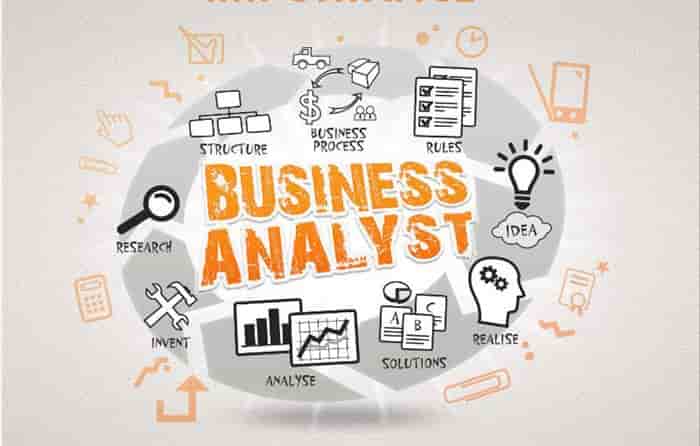
The Business Analyst course at Uncodemy is designed with industry experts and includes case studies, real-time projects, mock interviews, and placement assistance. By enrolling, you not only gain hands-on knowledge but also learn the art of presenting your skills effectively on your resume.
Introduction
Your resume is your first chance to communicate your skills, experience, and potential to hiring managers. For Business Analysts (BAs), who serve as the bridge between business needs and technology solutions, crafting a resume requires careful thought, precision, and strategy. Unlike generic resumes, a Business Analyst resume must highlight analytical skills, problem-solving abilities, technical knowledge, and communication expertise. In this 13,000-word article, we will explore best practices for writing Business Analyst resumes, from understanding the job role to tailoring resumes for specific industries. You will also learn how to optimize your resume with ATS (Applicant Tracking System) keywords, create impactful bullet points, and design a resume that reflects your value as a professional.
Chapter 1: Understanding the Role of a Business Analyst
• Definition of a Business Analyst
• Key responsibilities
• Difference between BA and Data Analyst
• Core skills employers look for
• Why a resume is critical in showcasing BA expertise
Chapter 2: The Importance of a Strong Resume
• First impressions and why they matter
• Resume as a marketing tool
• Recruiter perspective on BA resumes
• Common mistakes candidates make
Chapter 3: Resume Formats for Business Analysts
• Chronological format
• Functional format
• Combination/hybrid format
• Which format works best for freshers vs experienced professionals
Chapter 4: Structuring Your Business Analyst Resume
• Contact details
• Resume headline
• Professional summary vs objective
• Skills section
• Work experience section
• Education section
• Certifications and projects
• Additional sections (awards, publications, languages, volunteer work)
Chapter 5: Writing an Impactful Resume Summary
• Difference between summary and objective
• Examples of strong BA summaries
• Tips to avoid generic language
Chapter 6: Highlighting Technical and Analytical Skills
• Tools (Excel, SQL, Power BI, Tableau, Jira, Confluence)
• Methodologies (Agile, Scrum, Waterfall)
• Analytical techniques (SWOT, GAP analysis, Use case diagrams, Process mapping)
• Soft skills (communication, stakeholder management, problem-solving)
Chapter 7: Showcasing Work Experience
• How to write bullet points effectively
• Using action verbs
• STAR method (Situation, Task, Action, Result)
• Quantifying impact with metrics
• Examples for freshers, mid-level, and senior professionals
Chapter 8: Resume Tips for Freshers
• How to compensate for lack of work experience
• Highlighting academic projects
• Internships and volunteer work
• Transferable skills from other fields
Chapter 9: Resume Tips for Experienced Business Analysts
• Tailoring resume for senior roles
• Highlighting leadership and mentoring
• Emphasizing cross-functional project experience
• Domain-specific expertise (Finance, Healthcare, IT, E-commerce, etc.)
Chapter 10: Education and Certification Section
• What to include
• Importance of certifications like CBAP, CCBA, PMI-PBA, ECBA
• How to showcase Uncodemy certifications effectively
Chapter 11: Tailoring Resumes for ATS (Applicant Tracking Systems)
• How ATS works
• Importance of keywords
• Strategies for optimizing resumes for ATS
• Tools to check ATS compliance
Chapter 12: Industry-Specific Business Analyst Resumes
• IT and Software industry
• Banking and Finance
• Healthcare
• Retail and E-commerce
• Manufacturing
• Consulting firms
Chapter 13: Resume Design and Layout Best Practices
• Choosing fonts and styles
• White space and readability
• Use of bold and bullet points
• Length of resume (1 page vs 2 pages)
• Use of templates and online builders
Chapter 14: Common Mistakes to Avoid
• Spelling and grammar errors
• Overloading with jargon
• Lack of quantifiable results
• Irrelevant information
• Using unprofessional email addresses
Chapter 15: Cover Letters for Business Analysts
• Importance of cover letters
• Structuring a BA cover letter
• Examples of effective cover letters
• Tips to align resume and cover letter
Chapter 16: Building a Digital Resume/Portfolio
• LinkedIn optimization
• Online portfolio tools (GitHub, Behance, personal websites)
• Showcasing project case studies
• Video resumes
Chapter 17: Leveraging Uncodemy Training on Your Resume
• How to include Uncodemy certifications
• Highlighting real-world projects from the course
• Using placement assistance experience
• Demonstrating applied knowledge through Uncodemy case studies
Chapter 18: Resume Review and Feedback
• Why peer review matters
• Tools for resume scoring
• Professional resume writing services
• Continuous improvement with feedback
Chapter 19: Future Trends in Business Analyst Resumes
• AI and data-driven resume screening
• Infographic resumes
• Video interviews and portfolios
• Importance of adaptability and continuous learning
Chapter 20: Final Checklist Before Submission
• Proofreading checklist
• Customization for each job
• Saving and sharing formats (PDF vs Word)
• Following up after applying
Chapter 21: Resume Customization for Different Career Stages
• Entry-level resumes
• Mid-level resumes
• Senior/Lead Business Analyst resumes
• Transitioning from other careers into Business Analysis
Chapter 22: Keywords and Phrases That Impress Recruiters
• Power verbs for Business Analysts
• Domain-specific terms
• Strategic use of technical keywords
• Avoiding keyword stuffing
Chapter 23: Showcasing Achievements with Case Studies
• Why case studies add credibility
• Structuring mini case studies in resumes
• Examples from IT, finance, and healthcare projects
Chapter 24: Freelance and Contract Business Analyst Resumes
• How freelance BAs should write resumes
• Highlighting multiple short-term projects
• Emphasizing adaptability and client management skills
Chapter 25: Global Resume Standards for Business Analysts
• Resume differences in USA, UK, Canada, India, Australia
• International formatting rules
• How to make your resume globally acceptable
Chapter 26: Using Data and Metrics to Prove Your Value
• Adding numbers to showcase results
• Before-and-after comparisons
• Metrics that matter most to recruiters
Chapter 27: Digital Branding Beyond Resumes
• LinkedIn headline optimization
• Using professional networking sites
• Building personal brand as a Business Analyst
Chapter 28: Resume Building for Career Changers
• IT professionals moving into BA roles
• Non-technical graduates aiming for BA jobs
• Highlighting transferable skills
Chapter 29: Resume Do’s and Don’ts Checklist
• Final quick-reference list
• 10 best practices to always follow
• 10 mistakes to avoid at all costs
Chapter 30: Preparing for Interviews After Resume Shortlisting
• How resumes connect with interviews
• Anticipating recruiter questions
• Practicing resume-based interview answers
Chapter 31: Crafting Domain-Specific Business Analyst Resumes
• Tailoring resumes for Finance, Healthcare, IT, Retail, Government, E-commerce
• Highlighting domain expertise vs general BA skills
• Real examples of domain-focused bullet points
Chapter 32: Building a Skills-First Resume
• Why skills-first resumes are gaining popularity
• Organizing skills by category (technical, analytical, managerial, tools)
• How to balance skills and experience effectively
Chapter 33: Advanced ATS Optimization Techniques
• Deep dive into ATS algorithms
• Semantic keyword placement
• Using synonyms and variations of terms
• Tools to check ATS scoring
Chapter 34: Modern Resume Design Trends for Business Analysts
• Infographic resumes: when to use and when to avoid
• Visual vs text-based resumes
• Using color psychology in resumes
• Balancing creativity with professionalism
Chapter 35: Showcasing Leadership and Team Contributions
• Highlighting leadership even in junior roles
• Writing about stakeholder management
• Showing collaboration without over-exaggeration
Chapter 36: Business Analyst Resume for Agile Environments
• Agile/Scrum-specific keywords
• Showcasing user stories, sprints, and backlog management
• Resume examples for Agile BAs
Chapter 37: Overcoming Resume Gaps and Career Breaks
• How to address gaps due to studies, health, or personal reasons
• Showcasing freelance/consulting work
• Turning career breaks into strengths
Chapter 38: Building a Resume That Tells a Story
• Why storytelling works in resumes
• Creating a narrative arc: problem → action → result
• Using consistent themes across sections
Chapter 39: Digital Tools for Business Analyst Resume Building
• Canva, Novoresume, Zety, VisualCV
• Resume parsers and ATS checkers
• How to balance automation with personalization
Chapter 40: The Psychology Behind Resume Screening
• Recruiter mindset while scanning resumes
• Eye-tracking studies on resume layouts
• How to make your resume recruiter-friendly in 6 seconds
Chapter 41: Resume Building for Career Progression
• Moving from Junior BA → Senior BA → Lead BA → Product Owner
• Resume transformation examples at each stage
• Skills to emphasize as you grow
Chapter 42: Power of Action Verbs in Resume Writing
• 100+ strong action verbs for Business Analysts
• Examples of weak vs strong statements
• How verbs change recruiter perception
Conclusion
A Business Analyst’s resume is more than just a list of experiences—it is a story of your skills, contributions, and potential to solve business challenges. By following the best practices shared in this article, you can create a resume that sets you apart from the competition. If you are looking to strengthen your technical and analytical skills further, do not forget to check out Uncodemy’s Business Analyst Course. It is structured to provide in-depth knowledge, hands-on training, and placement support, which will directly help you craft a resume filled with achievements and relevant expertise.