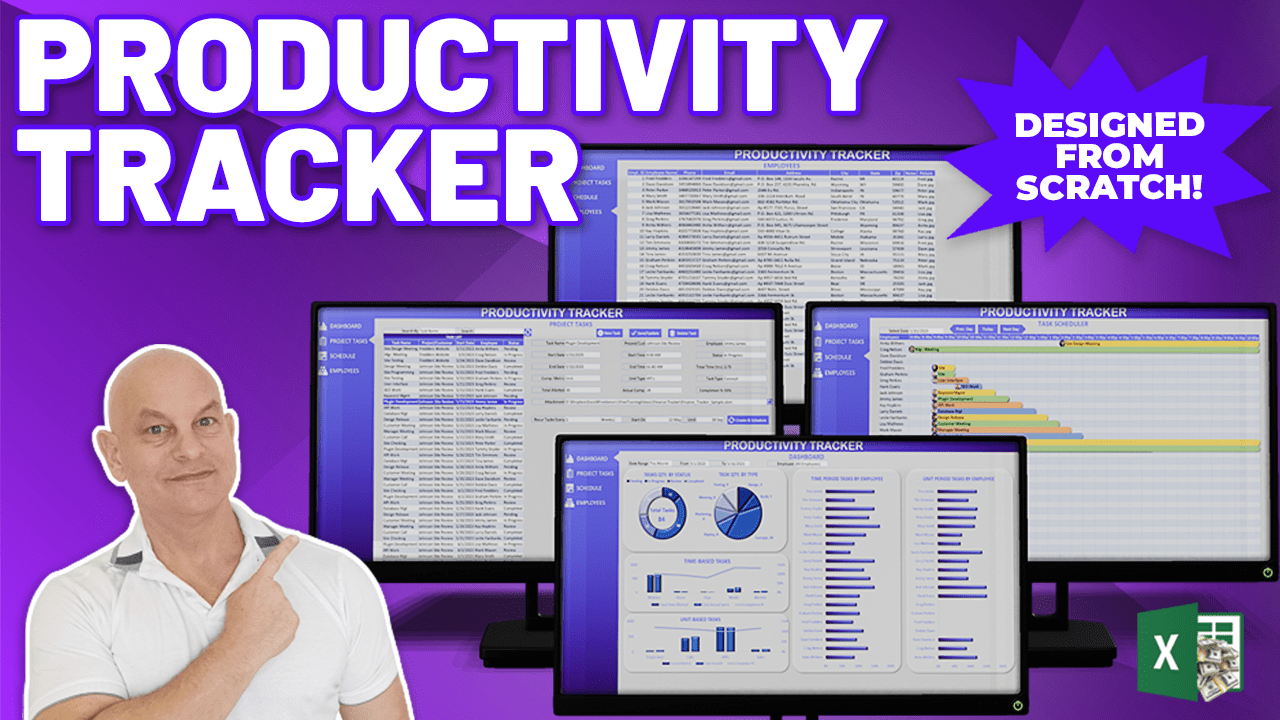
Imagine a productivity tracker that not only helps you stay on top of your tasks but also rewards you for completing them, challenges you to push further, and provides fun incentives to stay consistent. In this article, we will explore how to build a productivity tracker with gamification features, the tools you will need, the features you can add, and how such a system can transform everyday work into an engaging experience.
And if you are someone looking to upskill in building applications like this, consider exploring the Full Stack Development course by Uncodemy. It covers the skills required to create interactive and practical applications that are both user friendly and scalable.
Why Productivity Trackers Matter
Most people today juggle multiple responsibilities, from work projects to personal goals. A productivity tracker allows users to organize tasks, monitor progress, and analyze performance. However, the biggest challenge with traditional trackers is sustaining motivation. Users may start enthusiastically, but over time they lose interest because the process feels repetitive.
Gamification addresses this issue. It turns productivity into an enjoyable process by incorporating elements like points, badges, leaderboards, and rewards. When users feel rewarded for their progress, they are more likely to remain consistent and push themselves further.
What is Gamification
Gamification is the integration of game like mechanics into non gaming contexts such as education, healthcare, fitness, or productivity. In a productivity tracker, gamification motivates users by turning task completion into achievements. Instead of just ticking off a to do list, you might earn experience points, unlock new levels, or compete with friends.
Gamification works because it taps into basic human psychology. We all love recognition, rewards, and challenges. It satisfies intrinsic motivations like achievement and mastery while also making progress visible and fun.
Features of a Productivity Tracker with Gamification
When designing such a tool, it is important to strike a balance between productivity and fun. Here are some key features that make a productivity tracker engaging and effective:
1. Task Management
At its core, the tracker should allow users to create, edit, and categorize tasks. This forms the backbone of productivity. Tasks could include deadlines, reminders, or priority levels.
2. Points and Levels
For each completed task, the user can earn points. These points add up to help the user level up. For example, completing three small tasks might give you 50 points, while completing a large project could give you 200 points.
3. Badges and Achievements
Special milestones can unlock badges. For example, finishing 10 tasks in a week could unlock a “Consistency Badge.” These badges provide a sense of accomplishment and visual progress.
4. Streaks
Streaks encourage consistency. If a user completes their daily tasks for 7 days straight, they could maintain a streak. Missing a day breaks it, which adds just enough pressure to encourage discipline.
5. Leaderboards and Collaboration
For team use, leaderboards can create friendly competition. Colleagues or friends can compare progress, motivating each other to stay productive.
6. Analytics and Reports
Users should be able to view progress over time. Charts and statistics provide insights into strengths and areas of improvement.
7. Rewards System
You can also integrate rewards. For example, after earning a certain number of points, users can unlock discounts, gift cards, or even small digital perks like custom themes for their tracker.
Tools and Technologies to Build It
To build a productivity tracker with gamification features, you can use modern web development technologies.
- Frontend Development
- HTML, CSS, and JavaScript for the basic structure and design
- React or Vue for dynamic user interfaces
- Backend Development
- Node.js or Django for handling data and managing logic
- APIs to store and retrieve user information
- Database
- MongoDB, MySQL, or PostgreSQL for storing user tasks, points, and achievements
- Gamification Logic
- Custom algorithms for points, levels, and streak tracking
- Integration of badges and achievements
- Additional Tools
- Chart.js or D3.js for data visualization
- Firebase for authentication and real time sync
Steps to Build the Application
Let us break down the process step by step:
Step 1: Define the Core Objectives
Decide on the purpose of your tracker. Will it be for students, professionals, or general users? This will help shape your design and features.
Step 2: Design Wireframes
Sketch out how the interface will look. Include screens for task creation, progress tracking, leaderboards, and rewards.
Step 3: Build the Task Management System
Start with the ability to add, edit, and delete tasks. Once this is stable, move on to categorizing tasks by priority or deadlines.
Step 4: Integrate Gamification
Add a points system that rewards task completion. Design levels, badges, and streak mechanics to keep the user motivated.
Step 5: Add Analytics and Visuals
Incorporate charts to help users view their weekly or monthly progress. Visualization makes growth more tangible.
Step 6: Enhance User Experience
Introduce notifications, reminders, and rewards. Personalization, such as themes or avatars, makes the tracker feel more engaging.
Step 7: Testing and Feedback
Test the app with real users to identify bugs and gather suggestions. Refine the system to make it intuitive and fun.
Example User Experience
Let us imagine a student named Riya using the tracker. She logs in and sees her daily tasks: completing an assignment, attending a lecture, and revising notes. As she ticks them off, she earns 100 points. By the end of the week, she unlocks a “Consistency Badge” for maintaining her streak.
Motivated by her progress, she checks the leaderboard where her friends are also competing. Seeing that she is in second place, she pushes herself to finish her reading early, earning more points and moving to the top. Suddenly, productivity feels less like a burden and more like a game she enjoys playing.
The Benefits of a Gamified Productivity Tracker
- Enhanced Motivation: Rewards keep users engaged
- Consistency: Streaks and badges promote discipline
- Better Performance: Analytics help identify weak areas
- Collaboration: Leaderboards encourage team accountability
- Sustained Engagement: Fun elements reduce boredom
Challenges in Building Such a System
While the idea sounds exciting, there are some challenges:
- Striking a balance between fun and productivity. Too much gamification might distract from actual work.
- Ensuring the reward system feels fair and motivating.
- Keeping the interface simple and user friendly despite multiple features.
-
These challenges can be overcome with thoughtful design, testing, and user feedback.
Future Possibilities
A gamified productivity tracker could expand with advanced features like artificial intelligence. For example, AI could recommend tasks based on habits, predict when a user might fall behind, or suggest the best times for productivity. Integration with wearable devices could also track physical activity, making the app a complete lifestyle tool.
Learning the Skills to Build It
If this idea excites you, the next step is to build your skills. A course like the Full Stack Development program at Uncodemy in Jaipur is perfect for aspiring developers. It teaches you how to design user interfaces, manage databases, and implement logic like gamification mechanics. With structured learning, real projects, and expert guidance, you can learn to create not just productivity trackers but a wide range of applications that solve real world problems.
Conclusion
A productivity tracker with gamification features is more than just an app. It is a lifestyle tool that helps users achieve their goals while enjoying the process. By combining productivity with game mechanics, you create a system that keeps users motivated, consistent, and engaged.
Whether for personal growth, workplace efficiency, or student performance, this kind of application has immense potential. With the right tools, thoughtful design, and a clear understanding of gamification, you can bring this vision to life. And by upskilling with resources like Uncodemy’s courses, you will have the expertise to build solutions that make everyday life more rewarding and productive.