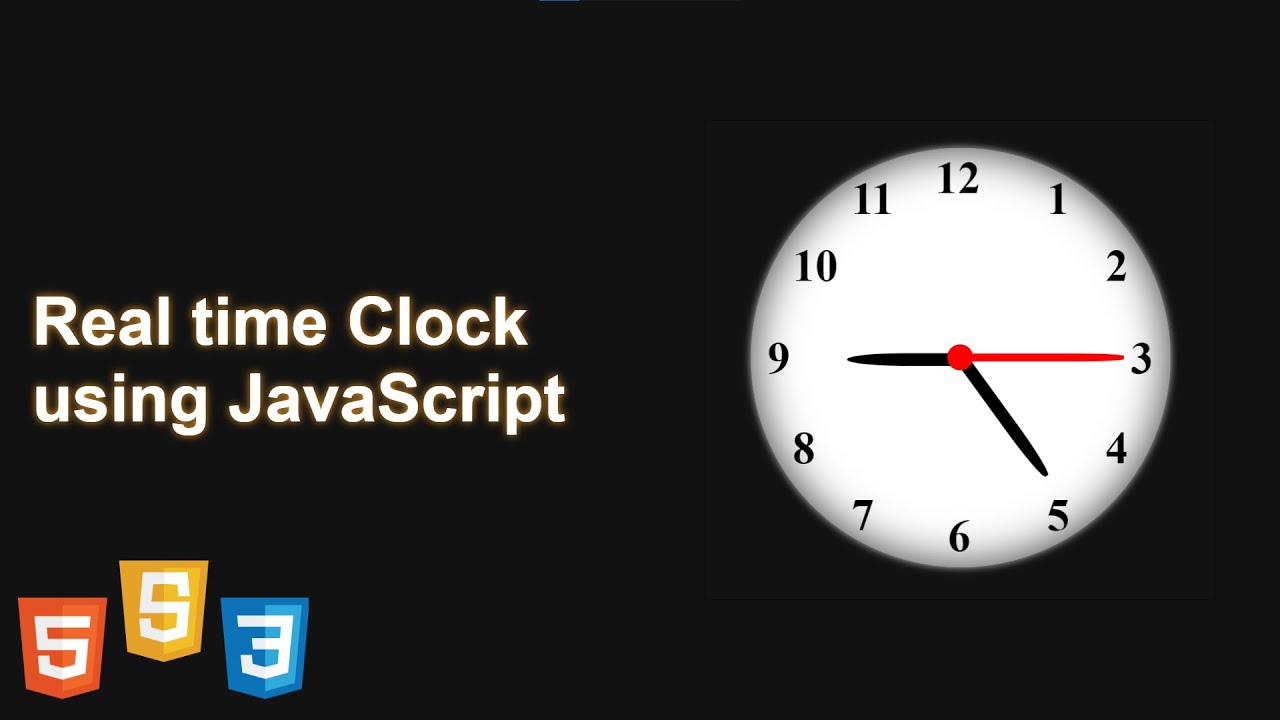
Understanding the Foundation of Real-Time Clocks
The concept of a real-time clock in web development involves creating a dynamic display that continuously updates to show the current time without requiring manual page refreshes. This functionality demonstrates several fundamental JavaScript concepts, including date manipulation, DOM interaction, and timing functions. For students pursuing web development courses, this project serves as a practical application of theoretical knowledge, bridging the gap between classroom learning and real-world implementation.
Modern web applications increasingly demand real-time functionality, making this skill particularly valuable for aspiring developers. The ability to create time-based features extends beyond simple clocks to include countdown timers, scheduling systems, and time-sensitive notifications. Students enrolled in Uncodemy's comprehensive JavaScript courses often find that mastering real-time clock creation significantly enhances their understanding of asynchronous programming and user interface development.
Essential JavaScript Components for Clock Development
Creating a real-time clock requires understanding several core JavaScript components. The Date object serves as the foundation, providing access to current time information and various formatting options. This built-in object offers methods for extracting hours, minutes, seconds, and other time-related data, making it indispensable for clock development.
The Document Object Model (DOM) manipulation represents another crucial component. Developers must understand how to select and modify HTML elements dynamically to display time information. This involves using methods like getElementById, querySelector, and innerHTML to update the clock display in real-time.
Timing functions, particularly setInterval, play a vital role in creating the continuous update mechanism. This function executes a specified piece of code at regular intervals, ensuring that the clock display reflects the current time accurately. Students learning through Uncodemy's structured curriculum gain hands-on experience with these timing functions, developing proficiency in creating responsive, time-based applications.
Step-by-Step Implementation Process
The implementation process begins with creating a basic HTML structure to house the clock display. This typically involves a simple div element with a unique identifier that JavaScript can target for updates. The HTML foundation should be clean and semantic, providing a solid base for the dynamic functionality.
Next, developers focus on the JavaScript implementation, starting with the Date object instantiation and time extraction. The process involves creating functions to format time values consistently, ensuring that single-digit numbers display with leading zeros for a professional appearance. This attention to detail distinguishes quality implementations from basic attempts.
The formatting stage requires careful consideration of user experience factors. Developers must decide whether to implement 12-hour or 24-hour formats, include seconds in the display, and handle timezone considerations. These decisions impact the overall usability and appeal of the final product.
The continuous update mechanism implementation represents the most critical phase. Using setInterval, developers create a loop that updates the clock display every second. This process requires understanding of callback functions and proper timing intervals to ensure smooth, consistent updates without performance degradation.
Advanced Features and Customization Options
Beyond basic time display, advanced implementations often include customizable features that enhance user experience. Digital clock styling allows developers to experiment with CSS properties, creating visually appealing displays that match specific design requirements. This might include custom fonts, colors, animations, and responsive design considerations.
Time zone support adds significant value to clock applications. Implementing multiple time zone displays or allowing users to select their preferred time zone demonstrates advanced JavaScript skills and practical application development. This feature particularly benefits students preparing for real-world development challenges.
Alarm functionality represents another advanced feature that showcases event handling and audio integration capabilities. Creating alarm systems requires understanding of user input validation, local storage for persistence, and audio API implementation.
Theme customization options allow users to personalize their clock experience. This might include dark mode support, custom color schemes, or various display formats. Such features demonstrate understanding of user preferences and modern web application standards.
Integration with Modern Web Development Practices
Contemporary web development emphasizes responsive design, accessibility, and performance optimization. Real-time clock implementations must consider these factors to meet current industry standards. Responsive design ensures that clocks display correctly across various device sizes and orientations.
Accessibility considerations include proper semantic markup, keyboard navigation support, and screen reader compatibility. These elements ensure that clock applications serve all users effectively, reflecting inclusive design principles that modern employers value highly.
Performance optimization becomes crucial when implementing real-time updates. Developers must understand how to minimize resource consumption while maintaining accurate time display. This involves efficient DOM manipulation techniques and optimal timing interval selection.
Educational Value and Skill Development
Building real-time clocks provides exceptional educational value for developing programmers. The project encompasses multiple JavaScript concepts simultaneously, offering a holistic learning experience that reinforces theoretical knowledge through practical application. Students gain experience with variables, functions, objects, DOM manipulation, and event handling in a single, cohesive project.
The progressive complexity model allows learners to start with basic implementations and gradually add advanced features. This approach prevents overwhelming beginners while providing growth opportunities for more experienced students. Uncodemy's JavaScript courses leverage this progression model, ensuring that students develop confidence alongside technical skills.
Problem-solving skills receive significant development through clock implementation projects. Students encounter and resolve various challenges, from formatting inconsistencies to timing synchronization issues. These experiences prepare them for the complex problem-solving requirements of professional web development.
Career Applications and Professional Relevance
Real-time clock development skills translate directly to numerous professional applications. E-commerce websites often require countdown timers for sales events, while business applications need scheduling and time-tracking functionality. Understanding real-time updates prepares developers for creating these commercial features.
The concepts learned through clock development extend to more complex real-time applications, including chat systems, live data dashboards, and collaborative tools. Employers value developers who understand real-time functionality, making this skill set highly marketable.
Project portfolio enhancement represents another significant benefit. A well-implemented real-time clock demonstrates technical competency and attention to detail, qualities that hiring managers actively seek. Students who complete Uncodemy's comprehensive web development programs often showcase clock projects as evidence of their JavaScript proficiency.
Best Practices and Code Quality
Maintaining high code quality standards throughout clock development ensures professional-level results. This includes proper variable naming, consistent indentation, comprehensive commenting, and modular function design. These practices reflect the coding standards emphasized in quality educational programs.
Error handling implementation demonstrates mature development practices. Anticipating and managing potential errors, such as invalid date objects or DOM element access failures, shows thorough understanding of robust application development.
Testing procedures ensure reliable functionality across various scenarios and browsers. Students learn to verify their implementations systematically, developing quality assurance skills that prove invaluable in professional environments.
Future Learning Pathways and Advanced Applications
Mastering real-time clock creation opens pathways to advanced JavaScript topics and frameworks. Students can progress to learning about WebSocket communications, real-time databases, and modern frontend frameworks that handle time-sensitive data.
The foundational skills developed through clock projects support learning popular libraries and frameworks like React, Vue.js, and Angular. These technologies often require understanding of component lifecycle management and real-time data handling, concepts that clock development introduces effectively.
Server-side integration opportunities allow students to explore full-stack development. Connecting client-side clocks to server time sources introduces concepts of API consumption, data synchronization, and distributed system considerations.
Building a real-time clock using JavaScript represents an excellent introduction to dynamic web development that provides lasting educational value. Students who engage with this project through structured learning programs like those offered by Uncodemy develop essential skills that serve as stepping stones to advanced web development careers. The combination of practical implementation experience and comprehensive concept understanding creates a solid foundation for continued growth in the rapidly evolving field of web development.
The journey from basic time display to sophisticated real-time applications demonstrates the power of JavaScript and the importance of systematic skill development. As students progress through their learning journey, the confidence and competence gained from successfully implementing real-time clocks empowers them to tackle increasingly complex development challenges with enthusiasm and expertise.