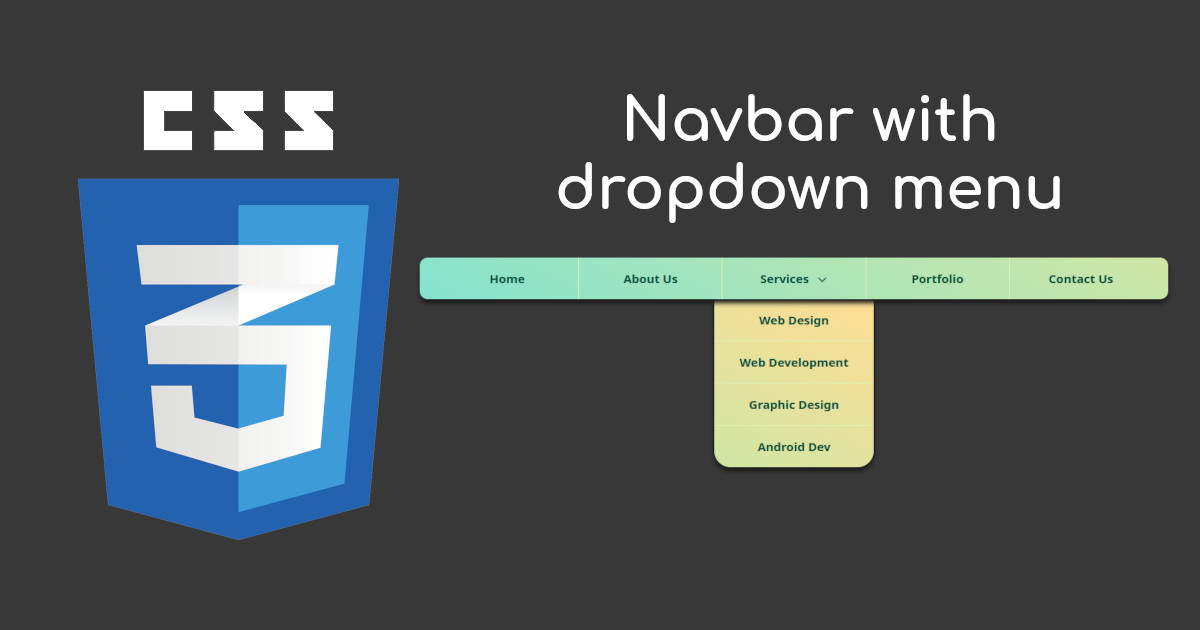
Navigation systems serve as the foundation of user experience on websites and applications. When users visit any digital platform, they expect intuitive, accessible navigation that helps them find information quickly and efficiently. Poor navigation implementation can immediately frustrate visitors and drive them away from websites, making responsive navbar development a crucial skill for anyone pursuing a career in web development or user interface design.
The evolution of web browsing habits has fundamentally changed how developers approach navigation design. Modern users access websites from smartphones, tablets, laptops, and desktop computers, often switching between devices throughout their browsing sessions. This multi-device reality requires navigation systems that adapt intelligently to different screen sizes while maintaining consistency and usability across all platforms.
Professional developers understand that responsive navbar implementation involves much more than simply hiding menu items on smaller screens. Creating effective dropdown menus requires careful consideration of accessibility standards, performance optimization, user interaction patterns, and cross-browser compatibility. These considerations reflect the comprehensive skill set that employers seek when hiring web development professionals.
Understanding the Fundamentals of Responsive Navigation Design
Responsive navigation design represents one of the most complex challenges in modern web development, requiring developers to balance functionality, aesthetics, and performance across diverse viewing contexts. The process involves understanding how users interact with navigation elements on different devices, considering touch interfaces versus mouse-based interactions, and implementing solutions that feel natural regardless of the user's chosen device.
The technical foundation of responsive navigation begins with understanding CSS media queries, flexible layout systems, and JavaScript event handling. These technologies work together to create navigation experiences that automatically adapt to screen size changes while maintaining optimal usability. Students learning web development often struggle with these concepts initially, but mastering responsive navigation opens doors to numerous career opportunities in the growing technology sector.
Modern web development practices emphasize mobile-first design approaches, where developers begin by creating navigation solutions for smartphone screens before expanding functionality for larger displays. This methodology ensures that navigation systems work effectively on the most constrained devices while providing enhanced features for users with larger screens and more powerful hardware.
The user experience implications of navigation design extend far beyond technical implementation. Professional developers must consider how navigation choices affect user engagement, conversion rates, and overall satisfaction with digital products. These business considerations make responsive navigation skills valuable for developers seeking advancement into leadership roles or specialized user experience positions.
Career opportunities for developers skilled in responsive navigation span across industries and company sizes. Startups value developers who can quickly implement effective navigation solutions that scale with business growth, while established corporations seek professionals capable of maintaining and enhancing complex navigation systems that serve millions of users daily across global markets.
Mastering HTML Structure for Scalable Navigation Systems
Creating robust HTML foundations forms the cornerstone of professional navigation development. The semantic markup approach ensures that navigation systems remain accessible to users with disabilities while providing search engines with clear content hierarchy information. This accessibility focus has become mandatory for many organizations due to legal compliance requirements and ethical development standards.
The structural planning phase of navigation development involves analyzing content organization, user flow patterns, and information architecture requirements. Professional projects require thorough understanding of user needs and business objectives before beginning implementation work. This analytical approach distinguishes experienced developers from those who rush into coding without proper planning and consideration.
Modern HTML5 provides numerous semantic elements specifically designed for navigation implementation, including nav tags, section elements, and appropriate heading hierarchies. Using these elements correctly creates navigation systems that work seamlessly with assistive technologies while improving search engine optimization performance. These technical considerations demonstrate the professional development practices that employers value in today's competitive technology market.
The relationship between HTML structure and subsequent styling possibilities significantly impacts development efficiency and maintainability. Well-planned HTML creates opportunities for elegant CSS implementations and efficient JavaScript functionality, while poorly structured markup often leads to complex workarounds that compromise performance and future enhancement capabilities.
Students learning navigation development benefit from understanding how HTML choices affect responsive behavior and cross-browser compatibility. The foundational decisions made during HTML planning influence every subsequent aspect of navigation implementation, making this phase crucial for long-term project success and professional development skill building.
Implementing Advanced CSS Techniques for Professional Navigation
CSS implementation transforms basic HTML navigation structures into visually appealing, professionally designed interface components that align with contemporary design standards and user expectations. The styling process involves creating cohesive visual hierarchies, implementing smooth animations, and ensuring consistent appearance across different browsers and operating systems.
Advanced CSS techniques enable developers to create sophisticated dropdown animations and transitions that provide clear visual feedback during user interactions. These animations serve important functional purposes by indicating navigation state changes, guiding user attention to available options, and creating smooth transitions that feel natural and responsive to user input.
Responsive CSS implementation requires mastering flexible layout systems including CSS Grid, Flexbox, and modern positioning techniques. These layout methods enable navigation systems to adapt gracefully to different screen sizes while maintaining optimal usability and visual appeal. Understanding these techniques has become essential for developers seeking employment in modern web development environments.
The visual design considerations for navigation systems must balance aesthetic appeal with functional clarity and accessibility requirements. Color contrast ratios, typography choices, spacing decisions, and interactive state indicators all contribute to navigation effectiveness and user satisfaction. Professional developers understand how these design elements impact user behavior and business outcomes.
Performance optimization through efficient CSS implementation ensures navigation systems load quickly and respond smoothly across different devices and network conditions. Techniques including CSS minification, efficient selector usage, and optimized animation implementations prevent performance degradation that could negatively impact user experience and search engine rankings.
JavaScript Functionality for Dynamic Navigation Experiences
JavaScript implementation brings responsive navigation systems to life by managing user interactions, dropdown visibility, and dynamic behavior changes across different device contexts. The scripting process involves event handling, DOM manipulation, state management, and performance optimization techniques that distinguish professional implementations from amateur solutions.
Event-driven programming forms the foundation of interactive navigation functionality, requiring developers to efficiently handle click events, keyboard navigation, touch interactions, and window resize events. This comprehensive approach ensures navigation systems work seamlessly across different input methods and device capabilities, reflecting the attention to detail expected in professional development environments.
Mobile-specific interaction patterns require special consideration during JavaScript implementation. Touch events, swipe gestures, and device orientation changes all impact navigation behavior on smartphones and tablets. Understanding these mobile interaction patterns has become crucial as mobile internet usage continues surpassing desktop usage in many markets and user demographics.
Performance considerations become especially important for navigation systems that may include complex dropdown menus with multiple levels of content organization. Efficient event delegation, memory management, and animation optimization prevent performance degradation that could negatively impact user experience, particularly on older devices with limited processing power.
The debugging and testing process for responsive navigation requires comprehensive verification across different browsers, devices, operating systems, and screen sizes. Professional developers implement systematic testing methodologies that identify potential issues before deployment, preventing costly post-launch problems and maintaining user satisfaction across diverse technical environments.
Industry Applications and Professional Development Opportunities
Responsive navigation with dropdown functionality appears extensively across industry websites and applications, demonstrating the practical value and widespread demand for these development skills. E-commerce platforms rely on sophisticated navigation systems to help customers find products efficiently across vast catalogs. Educational institutions implement complex navigation hierarchies to organize courses, resources, and administrative information for diverse user groups.
Corporate websites leverage multi-level dropdown navigation to present services, company information, and resources in organized, accessible formats that serve different audience segments effectively. Government websites and non-profit organizations use responsive navigation to ensure equal access to information regardless of users' device capabilities or technical resources.
The versatility and universal necessity of responsive navigation makes these skills extremely valuable for developer career advancement. Potential employers recognize navigation implementation expertise as evidence of comprehensive front-end development capabilities including responsive design, accessibility implementation, user experience understanding, and performance optimization techniques.
Career progression opportunities increase significantly for developers who demonstrate mastery of responsive navigation development. Senior developer positions, technical leadership roles, and specialized user interface positions often require extensive experience with complex navigation system implementation. The foundation built through responsive navigation mastery prepares developers for these advanced career paths and specialized technical roles.
Professional development in navigation systems provides an excellent pathway for exploring advanced web development topics including progressive web applications, accessibility standards, performance optimization methodologies, and modern JavaScript framework integration. These expanded skills create opportunities for specialization in high-demand areas of contemporary web development.
Educational Pathways and Structured Learning Approaches
Structured learning methodologies significantly accelerate skill development in responsive navigation implementation. Uncodemy's comprehensive Full Stack Web Development Course provides students with extensive hands-on experience building sophisticated navigation systems that meet professional industry standards. The curriculum emphasizes practical implementation techniques while covering theoretical foundations essential for long-term career growth and technical advancement.
The course structure incorporates real-world project development where students create complete web applications featuring responsive navigation with multiple dropdown levels, mobile optimization, and accessibility compliance. This approach helps students understand how navigation systems integrate with broader application architectures while developing portfolio-worthy projects that demonstrate professional competency to potential employers.
Uncodemy's Frontend Development Specialization Program delves deeply into advanced CSS animation techniques, JavaScript interaction handling, and responsive design methodologies essential for creating cutting-edge navigation experiences. Students learn industry best practices for performance optimization, cross-browser compatibility, and accessibility implementation that distinguish professional developers from amateur programmers.
The collaborative learning environment encourages students to work together on complex navigation projects that simulate professional development team scenarios. This collaboration teaches version control practices, code review processes, peer feedback methodologies, and team communication skills that prove invaluable in professional development environments and career advancement opportunities.
Industry mentorship programs connect students with experienced professionals who provide guidance on navigation design principles, technical implementation strategies, and career development pathways. These mentoring relationships often lead to internship opportunities, job referrals, professional networking connections, and insider knowledge of industry trends and employment opportunities.
Advanced Implementation Techniques and Professional Standards
Professional navigation development extends beyond basic responsive functionality to include advanced features such as mega menus, keyboard navigation accessibility, screen reader compatibility, and integration with content management systems. These sophisticated implementations demonstrate the depth of technical knowledge required for senior development positions and specialized technical leadership roles.
The integration of modern JavaScript frameworks and libraries enables developers to create scalable, maintainable navigation solutions that work within complex application ecosystems. Understanding how to implement responsive navigation using React, Vue, Angular, or other popular frameworks becomes increasingly important as organizations adopt component-based development architectures and modern tooling approaches.
Performance optimization strategies for navigation systems include code splitting, lazy loading, efficient animation implementations, and resource minification techniques that maintain optimal user experience across diverse technical conditions. These optimizations demonstrate professional development competency and understanding of real-world application requirements and constraints.
Testing methodologies for responsive navigation include automated cross-browser testing, accessibility validation, performance monitoring, and user experience testing across different device configurations. Professional development workflows incorporate comprehensive testing processes that ensure consistent quality while reducing manual testing overhead and preventing regression issues in production environments.
Documentation and maintenance practices enable development teams to collaborate effectively on complex navigation implementations. Writing clear technical documentation, following consistent coding standards, implementing version control best practices, and establishing sustainable development processes creates long-term project success and team productivity in professional development environments.
Future Trends and Career Advancement Strategies
The responsive navigation development field continues evolving with new technologies, design patterns, and user interaction paradigms. Voice interfaces, augmented reality applications, and progressive web applications create new challenges and opportunities for developers specializing in navigation system implementation. Staying current with these emerging trends positions developers for advanced career opportunities and specialized technical roles.
Professional success in navigation development requires balancing technical expertise with user experience understanding, accessibility awareness, and business objective alignment. Developers who combine strong implementation skills with strategic thinking and problem-solving abilities often advance quickly into leadership positions and high-impact technical roles within their organizations.
The technology industry consistently rewards developers who demonstrate comprehensive skills in responsive design, accessibility implementation, and performance optimization. Navigation development expertise provides tangible portfolio examples that showcase these capabilities while demonstrating practical problem-solving abilities that employers value across industries and company sizes.
Continuous learning and skill expansion remain essential for long-term career success in web development. Navigation implementation provides an excellent foundation for exploring advanced topics including user experience research, design systems development, accessibility consulting, and technical architecture planning. These expanded capabilities create opportunities for career diversification and specialization in high-demand areas of the technology sector.
Conclusion
Building responsive navbars with dropdown menus represents a fundamental skill that opens doors to numerous career opportunities in the rapidly expanding technology industry. The comprehensive technical knowledge gained through navigation development creates a solid foundation for advancing into specialized roles including user interface architecture, technical leadership, and full-stack development positions.
The journey toward navigation development expertise requires dedication to continuous learning, extensive practical implementation experience, and commitment to staying current with evolving industry standards and emerging best practices. Students who invest time mastering these essential skills often find themselves well-positioned for rapid career advancement in competitive technology markets and professional development environments.