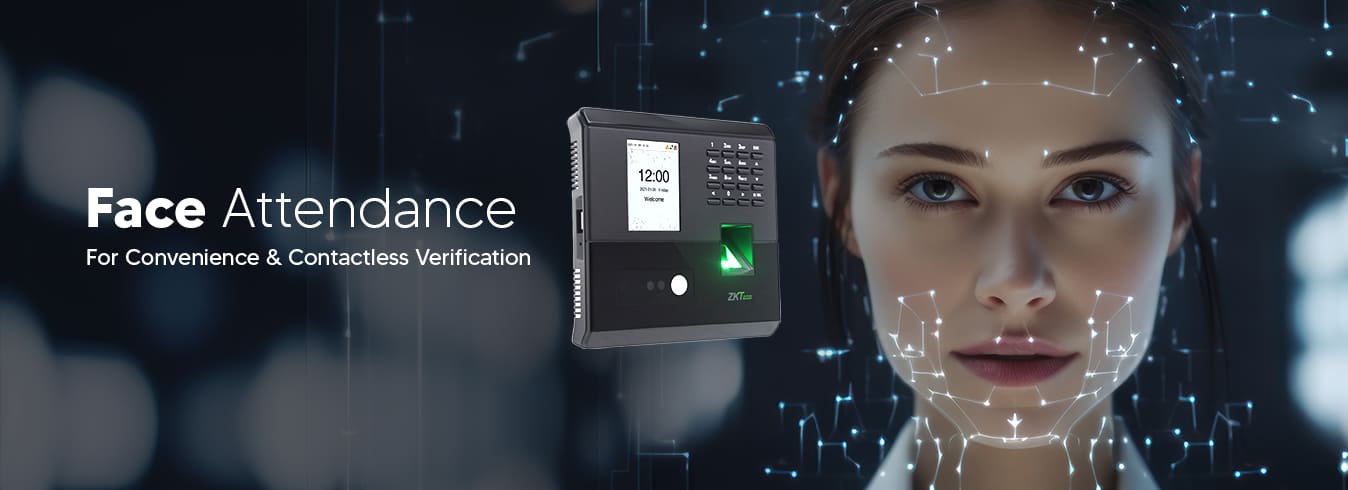
Attendance has always been this clunky, time-wasting ritual. And in offices, it’s not much better—swiping ID cards, punching in PINs, or signing a register. All of it feels outdated in a world where our phones can recognize our faces faster than we can.
That’s where face detection comes in. Imagine an attendance system that doesn’t need roll calls or paper trails. You just walk into class or your workplace, the system recognizes you in seconds, and attendance is marked automatically. Done. No cheating, no wasted time, no hassle.
Why face detection makes sense here
Let’s be clear: this isn’t about building some sci-fi surveillance system. It’s about making a boring, repetitive process smarter.
Face detection solves three problems right away:
- Accuracy – no more “my friend signed for me.”
- Speed – no roll calls, no manual logs.
- Ease – people don’t need to remember ID cards or passwords.
It’s a simple idea: the system sees you, knows it’s you, and records it. Think of it like an automated handshake when you walk in.
A quick peek at how it works (no jargon, promise)
Here’s the magic in plain words.
- A camera captures your face.
- The system doesn’t just see “a face.” It maps key features—like the distance between your eyes or the curve of your jawline.
- It converts those features into a unique digital pattern, kind of like a fingerprint for your face.
- When you walk in, it matches your face against its stored patterns, and if it finds you, boom—attendance marked.
That’s the core idea. Tools like OpenCV, Python libraries, or even pre-trained AI models make this surprisingly approachable.
A story from Uncodemy
During one of Uncodemy’s live sessions, a group of students decided to build exactly this—an AI-powered attendance tracker. At first, they joked about it being “Big Brother vibes.” But then, once they got it working, they realized how practical it was.
One student said:
“I spent four years in college signing attendance sheets that never even reached me half the time. If we had this system, it would’ve saved so much nonsense.”
That’s the point. When you build tech like this, it doesn’t just feel cool—it solves a pain you’ve actually lived through.
What makes this a great project to work on
Here’s the thing about building a face-detection attendance tracker: it’s not just another coding exercise. It’s a showcase of skills that employers and teams love to see.
- You’re working with computer vision, which is one of the most exciting areas of AI right now.
- You’re solving a real-world problem that schools, colleges, and companies actually care about.
- And you’re learning to design a project that balances tech with people’s needs (accuracy, privacy, usability).
That last part is huge. It’s not enough for the system to work. It has to work in a way that people actually want to use.
But wait—what about privacy?
Yeah, let’s address the elephant in the room. Whenever you bring up face detection, people worry about being “watched.” And it’s a valid concern.
That’s why, when building something like this, you design it responsibly. Store the data securely. Make sure users know what’s happening. And keep the scope limited—this isn’t about tracking people, it’s about replacing attendance registers.
At Uncodemy, projects like this aren’t just about writing code. They’re about learning to think like a responsible builder. Because in the real world, people will trust—or not trust—the systems you create.
The fun of it
Here’s the underrated part: it’s fun to build. The first time you run your code and the system recognizes you—it feels almost magical. Like, you’re standing in front of your laptop, it goes “Detected: [Your Name],” and you realize, I built this thing that sees me.
That moment? That’s when coding stops being abstract and starts feeling powerful.
Wrapping it up
Attendance might sound like the dullest problem in the world. But when you use AI and face detection to rethink it, suddenly you’ve got a project that’s practical, impressive, and kind of futuristic.
At Uncodemy, projects like this are exactly why learning feels different. It’s not about memorizing syntax or grinding through exercises. It’s about building tools that solve problems you’ve actually experienced.
And maybe, just maybe, the next time someone takes attendance in a classroom, it won’t involve shouting names or passing a pen. It’ll just… work. Because you made it smarter.t. Everyone in the group can add songs themselves, vote on what should play next, and see the playlist grow live. It turns listening into a shared experience instead of one person hogging control.
It’s not just an app. It’s a social moment, powered by music.
So how does Spotify fit in?
Spotify has something called an API—basically, a set of doors that developers can walk through to connect with Spotify’s massive library and features. With it, you can:
- Search for songs, albums, or artists.
- Add tracks to a playlist.
- See what’s currently playing.
- Control playback.
In short, it gives you the Lego bricks to build your own music-powered app. You don’t need to reinvent the wheel (or the record player). Spotify handles the music, you handle the experience.
A quick glimpse at the magic (without going too nerdy)
Here’s how it works in practice:
- You set up an app that connects to Spotify’s API.
- Your friends log in with their Spotify accounts.
- They can search for songs and add them directly to a shared playlist.
- The app updates in real time, so everyone sees the same list evolving.
That’s the core. From there, you can make it fun—maybe let people “upvote” songs so the best ones rise to the top. Or set up themed playlists like “Monday Motivation” or “Late Night Chill.”
A moment from Uncodemy’s labs
In one Uncodemy session, a student group built a prototype of this idea. At first, they just wanted to figure out how the Spotify API even worked. But once they got it connected, the project took on a life of its own.
They made a playlist called Coding Anthems. While they were debugging, someone added AC/DC’s Thunderstruck. Another snuck in the Pokémon theme song. By the end of class, the playlist was a chaotic masterpiece of focus tracks, nostalgia, and inside jokes.
And that’s when it clicked for them: they weren’t just learning to code—they were creating something that captured the vibe of the group in a way a static playlist never could.
Why this project matters for you
At first glance, “collaborative playlist” sounds like a fun toy project. But it actually hits a lot of big learning milestones:
- You get real practice working with an external API (Spotify’s).
- You learn how to handle user authentication (so people can connect their accounts).
- You explore real-time updates (so everyone sees changes instantly).
- You practice designing an app that’s not just functional, but social.
That last part? That’s gold. Because employers love to see that you can build not just code that runs, but experiences that engage people.
The bigger picture
Think about it: music has always been social. Campfire songs. Mixtapes. Group jams. Building a collaborative playlist app is just the modern evolution of that. And the fact that you can build it means you’re not just a consumer of tech—you’re shaping the way people connect through it.
That’s the kind of project that gets people’s attention when you say, “I built this at Uncodemy.” It’s memorable. It’s relatable. And honestly? It’s just fun to demo.
Wrapping it up
So, the next time you’re on a road trip, at a party, or even just hanging out online with friends, imagine saying: “Hey, let’s all add to the playlist.” Everyone pulls out their phone, your app takes care of the rest, and suddenly the soundtrack isn’t your playlist—it’s our playlist.
That’s what this project is about. Not just coding, not just APIs, but using tech to bring people together in a way that feels natural and joyful.
And that’s what Uncodemy is all about too: turning learning into something alive, social, and creative.