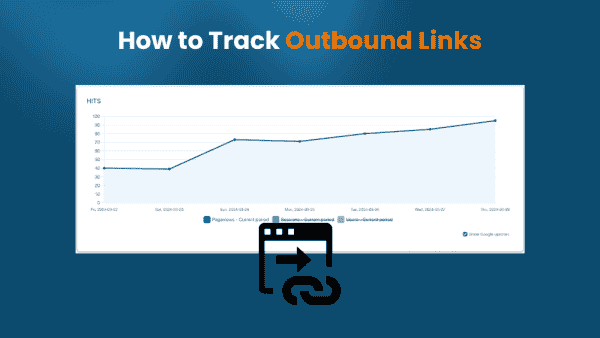
This comprehensive guide explores the essential methods and best practices for implementing robust analytics tracking systems that capture outbound link interactions effectively.
Digital marketers today recognize that comprehensive data collection strategies form the foundation of successful online campaigns. Educational institutions like Uncodemy have developed specialized Digital Marketing courses that emphasize the importance of analytics implementation and data-driven decision making. These programs prepare students to handle complex tracking scenarios that modern businesses encounter daily.
The process of tracking outbound links involves multiple technical components working together seamlessly. From initial configuration to ongoing optimization, marketers must understand both the strategic implications and technical requirements of comprehensive link tracking systems. This knowledge becomes particularly valuable when organizations need to measure partnership effectiveness, content engagement quality, and user journey completion rates across different digital platforms.
Understanding the Strategic Importance of Outbound Link Tracking
Outbound link tracking provides insights that internal analytics alone cannot deliver. When users click links that lead to external websites, traditional analytics systems lose visibility into continued user behavior. However, the click event itself contains valuable information about user interests, content effectiveness, and engagement quality that smart marketers leverage for strategic advantage.
Modern digital marketing strategies rely heavily on partnership collaborations, affiliate relationships, and content syndication networks. These relationships generate significant value through referral traffic and lead generation activities. Without proper tracking mechanisms, organizations miss opportunities to optimize these partnerships and may continue investing in relationships that deliver minimal returns.
Students enrolled in Uncodemy's comprehensive Digital Marketing programs learn to view outbound link tracking as part of broader attribution modeling strategies. These educational approaches help future marketers understand how different touchpoints contribute to conversion processes and revenue generation. The skills developed through such training become increasingly valuable as digital ecosystems become more complex and interconnected.
Content marketing effectiveness depends significantly on understanding which external resources and references resonate most strongly with target audiences. When blog posts, articles, or educational materials include links to external resources, tracking these interactions reveals content preferences and helps inform future content development strategies.
The competitive intelligence potential of outbound link tracking extends beyond simple click counting. Analysis of which external resources users find most valuable can inform competitive research, identify industry trends, and reveal partnership opportunities that might otherwise remain hidden. This strategic perspective transforms basic link tracking into comprehensive market intelligence gathering.
Technical Foundation: Google Analytics 4 Implementation
Google Analytics 4 represents the current standard for comprehensive website analytics implementation. The platform includes built-in enhanced measurement features that automatically detect and track outbound link clicks when properly configured. However, understanding the configuration process and customization options ensures optimal data collection aligned with specific business objectives.
The initial setup process begins within the Google Analytics 4 interface, specifically in the data streams section where enhanced measurement settings are managed. This interface provides granular control over which user interactions are automatically tracked, including outbound clicks, file downloads, video engagement, and scroll depth measurements.
Enhanced measurement in Google Analytics 4 operates differently from previous analytics versions. The system uses intelligent detection algorithms to identify outbound links based on domain comparison logic. When users click links that lead to domains different from the current website, the system automatically generates events that can be analyzed through standard reporting interfaces.
For organizations requiring more sophisticated tracking implementations, custom event configuration provides additional flexibility. This approach involves creating specific tracking parameters that capture additional context information, such as link categories, campaign identifiers, or content section classifications. Students pursuing advanced analytics training through programs like those offered by Uncodemy learn to implement these custom configurations effectively.
The verification process for outbound link tracking implementation requires systematic testing and validation procedures. Marketers must confirm that events are firing correctly, data is being captured accurately, and reporting interfaces display expected information. This verification process prevents data quality issues that could compromise marketing decision-making processes.
Google Tag Manager Integration Strategies
Google Tag Manager provides advanced control over analytics implementation while maintaining flexibility for future modifications. This platform enables marketers to manage tracking code deployments without requiring ongoing developer involvement, which significantly reduces implementation timelines and maintenance complexity.
The tag management approach involves creating triggers that detect outbound link click events and subsequently fire analytics tags that send data to reporting platforms. This architecture separates tracking logic from website code, making modifications and updates much more manageable for marketing teams.
Variable configuration in Google Tag Manager enables sophisticated data capture scenarios where different types of outbound links require different tracking approaches. For example, affiliate links might require additional parameters compared to general reference links, or social media links might need separate categorization from educational resources.
Debugging capabilities in Google Tag Manager allow marketers to verify tracking implementation before deploying changes to live websites. The preview mode enables thorough testing of trigger conditions, variable values, and tag firing sequences without affecting actual user data or website performance.
Advanced practitioners who complete comprehensive training programs, such as those offered through Uncodemy's Digital Marketing courses, develop expertise in creating complex tag management scenarios. These skills become particularly valuable when organizations require sophisticated attribution modeling or custom reporting structures that standard implementations cannot accommodate.
Custom Event Implementation and Data Structure
Beyond standard outbound click tracking, many organizations require custom event implementations that capture additional context information relevant to their specific business objectives. These implementations involve creating structured data collection processes that support detailed analysis and reporting requirements.
Event parameter configuration enables marketers to capture supplementary information about outbound link interactions, such as the page section where the link appeared, the content category, or the intended purpose of the external resource. This additional context transforms basic click data into actionable business intelligence.
Data layer implementation provides a standardized approach to passing information between websites and analytics platforms. This technical approach ensures consistent data structure and enables sophisticated analysis scenarios that require combining multiple data sources or implementing cross-platform tracking strategies.
The naming convention and data structure decisions made during initial implementation significantly impact long-term analytics utility. Well-structured event naming enables efficient reporting and analysis, while poor naming conventions create ongoing maintenance challenges and limit analytical capabilities.
Students who pursue comprehensive analytics training develop understanding of how data structure decisions impact analytical capabilities. This knowledge helps them design implementation strategies that support both immediate reporting needs and future analytical requirements that may not be immediately apparent.
Cross-Platform Tracking and Attribution Modeling
Modern user journeys often involve multiple devices, platforms, and touchpoints before completion. Outbound link tracking becomes part of comprehensive attribution modeling strategies that attempt to understand the complete customer journey across different digital environments.
Cross-domain tracking configuration enables organizations to maintain user identity consistency when interactions span multiple websites or platforms. This technical implementation requires careful coordination between different analytics implementations and may involve custom configuration depending on specific business requirements.
The integration of outbound link data with other marketing analytics systems creates opportunities for sophisticated attribution analysis. Customer relationship management systems, email marketing platforms, and advertising networks can all contribute data that, when combined with outbound link interactions, provides comprehensive user journey visibility.
Attribution modeling approaches vary significantly depending on business objectives and customer behavior patterns. First-click, last-click, linear, and time-decay models each provide different perspectives on touchpoint value, and outbound link interactions may play different roles in these various modeling approaches.
Advanced practitioners learn to evaluate attribution modeling effectiveness and adjust approaches based on actual customer behavior patterns. This analytical sophistication requires understanding both the technical implementation details and the strategic implications of different attribution approaches.
Reporting and Analysis Methodologies
Raw data collection represents only the first step in effective outbound link tracking implementation. The transformation of click data into actionable business insights requires systematic reporting and analysis approaches that align with organizational decision-making processes.
Standard reporting interfaces in Google Analytics 4 provide basic outbound link analysis capabilities through the events section and exploration tools. These interfaces enable marketers to understand click volumes, popular destinations, and basic user behavior patterns associated with different types of outbound links.
Custom reporting development enables organizations to create specialized analysis views that align with specific business questions or performance monitoring requirements. These reports might focus on partnership performance, content effectiveness, or user engagement quality measurements that standard interfaces cannot adequately address.
The integration of outbound link data with other business metrics creates opportunities for comprehensive performance analysis. Revenue attribution, lead generation effectiveness, and customer acquisition costs can all be analyzed in conjunction with outbound link interaction patterns to provide strategic business insights.
Students pursuing advanced marketing analytics education, such as the comprehensive programs offered by Uncodemy, learn to develop sophisticated analysis methodologies that transform raw analytics data into strategic business recommendations. These analytical skills become increasingly valuable as organizations seek to optimize their digital marketing investments.
Advanced Tracking Scenarios and Use Cases
Complex business environments often require sophisticated tracking implementations that go beyond basic outbound link monitoring. These scenarios might involve dynamic link generation, conditional tracking logic, or integration with third-party platforms that require custom implementation approaches.
E-commerce platforms frequently require tracking implementations that connect outbound link interactions with purchase behavior and revenue generation. These implementations might involve tracking affiliate link performance, partner referral effectiveness, or cross-selling initiative success rates.
Content management systems with dynamic link generation capabilities require flexible tracking implementations that can adapt to changing content structures and link patterns. These scenarios often involve custom development work that requires coordination between marketing teams and technical development resources.
Social media integration scenarios present unique tracking challenges because platform restrictions may limit traditional analytics implementation approaches. Alternative tracking methodologies, such as UTM parameter usage or pixel-based tracking, might be necessary to maintain visibility into social media driven outbound interactions.
The complexity of advanced tracking scenarios emphasizes the importance of comprehensive education and training in analytics implementation. Programs that combine theoretical knowledge with practical implementation experience, such as those offered by Uncodemy, prepare practitioners to handle these sophisticated requirements effectively.
Performance Monitoring and Optimization Strategies
Successful outbound link tracking implementation requires ongoing monitoring and optimization to ensure continued effectiveness and data quality. This maintenance process involves regular verification of tracking functionality, analysis of data patterns, and adjustment of configuration parameters based on changing business requirements.
Data quality monitoring involves systematic verification that tracking events are firing correctly, data is being captured accurately, and reporting interfaces reflect expected user behavior patterns. Regular auditing processes help identify configuration issues before they significantly impact data collection quality.
Performance optimization opportunities often emerge through analysis of tracking data patterns. Understanding which outbound links generate the most valuable user interactions enables organizations to optimize content placement, partnership relationships, and user experience design decisions.
The evolution of web technologies and analytics platforms requires ongoing adaptation of tracking implementations. Privacy regulations, browser updates, and platform changes may necessitate configuration adjustments to maintain effective data collection capabilities.
Advanced practitioners develop systematic approaches to tracking maintenance and optimization that ensure long-term effectiveness. This expertise becomes particularly valuable for organizations that depend heavily on analytics data for strategic decision making and performance monitoring.
Privacy Compliance and Ethical Considerations
Modern analytics implementation must balance comprehensive data collection with user privacy rights and regulatory compliance requirements. Outbound link tracking involves collecting user behavior information that may be subject to various privacy regulations depending on geographic location and industry context.
Cookie consent management systems may impact outbound link tracking functionality, particularly in jurisdictions with strict privacy regulations. Organizations must understand how their consent management choices affect analytics data collection and adjust their analysis approaches accordingly.
Data retention policies for outbound link tracking data should align with organizational privacy policies and regulatory requirements. Understanding how long different types of data should be retained and when information should be deleted helps organizations maintain compliance while preserving analytical utility.
The ethical implications of comprehensive user behavior tracking extend beyond regulatory compliance requirements. Organizations should consider user expectations and industry best practices when designing analytics implementation strategies that include outbound link monitoring.
Educational programs that address both technical implementation skills and ethical considerations, such as those offered by Uncodemy, help prepare practitioners to navigate these complex requirements effectively. This balanced approach ensures that analytics implementation supports business objectives while respecting user privacy rights.
Future Developments and Industry Trends
The analytics industry continues evolving rapidly, with new technologies, platforms, and methodologies emerging regularly. Understanding current trends helps organizations prepare for future requirements and opportunities in outbound link tracking and comprehensive user behavior analysis.
Privacy-focused analytics approaches are gaining prominence as browser manufacturers implement stricter tracking limitations and users become more aware of data collection practices. These developments may require adjustments to traditional outbound link tracking methodologies.
Artificial intelligence and machine learning applications in analytics are creating opportunities for more sophisticated analysis of user behavior patterns. These technologies may enable predictive modeling and automated optimization of outbound link strategies based on historical performance data.
Cross-platform identity resolution technologies are improving the ability to track user interactions across multiple devices and touchpoints. These developments could significantly enhance the value of outbound link tracking by providing more complete user journey visibility.
The integration of analytics platforms with broader marketing technology stacks continues expanding, creating opportunities for more sophisticated attribution modeling and performance optimization strategies. Organizations that understand these integration possibilities position themselves advantageously for future developments in digital marketing analytics and user behavior analysis.