Educational institutions like Uncodemy have recognized the strategic importance of pre-launch marketing tactics and integrated comprehensive waitlist development training into their Frontend Development courses. Students who master these sophisticated marketing tools position themselves advantageously in competitive digital marketing environments where customer acquisition costs continue rising across all industries.
The implementation of effective waitlist forms requires understanding multiple disciplines including user experience design, conversion optimization, email marketing integration, and database management. This comprehensive guide explores essential methods and best practices for creating high-converting waitlist forms that generate excitement while building valuable customer databases for successful product launches.
Strategic Foundation of Waitlist Marketing
Modern product launch strategies recognize that customer interest cultivation begins long before product availability, making waitlist forms essential components of comprehensive marketing campaigns. These pre-launch tools enable companies to gauge market demand, refine product features based on early feedback, and create momentum that drives initial sales velocity.
The psychological principles underlying effective waitlist campaigns involve creating perceived scarcity and exclusivity that motivates potential customers to commit before experiencing actual products. This anticipation marketing approach leverages FOMO psychology while providing tangible value through early access promises or exclusive launch benefits.
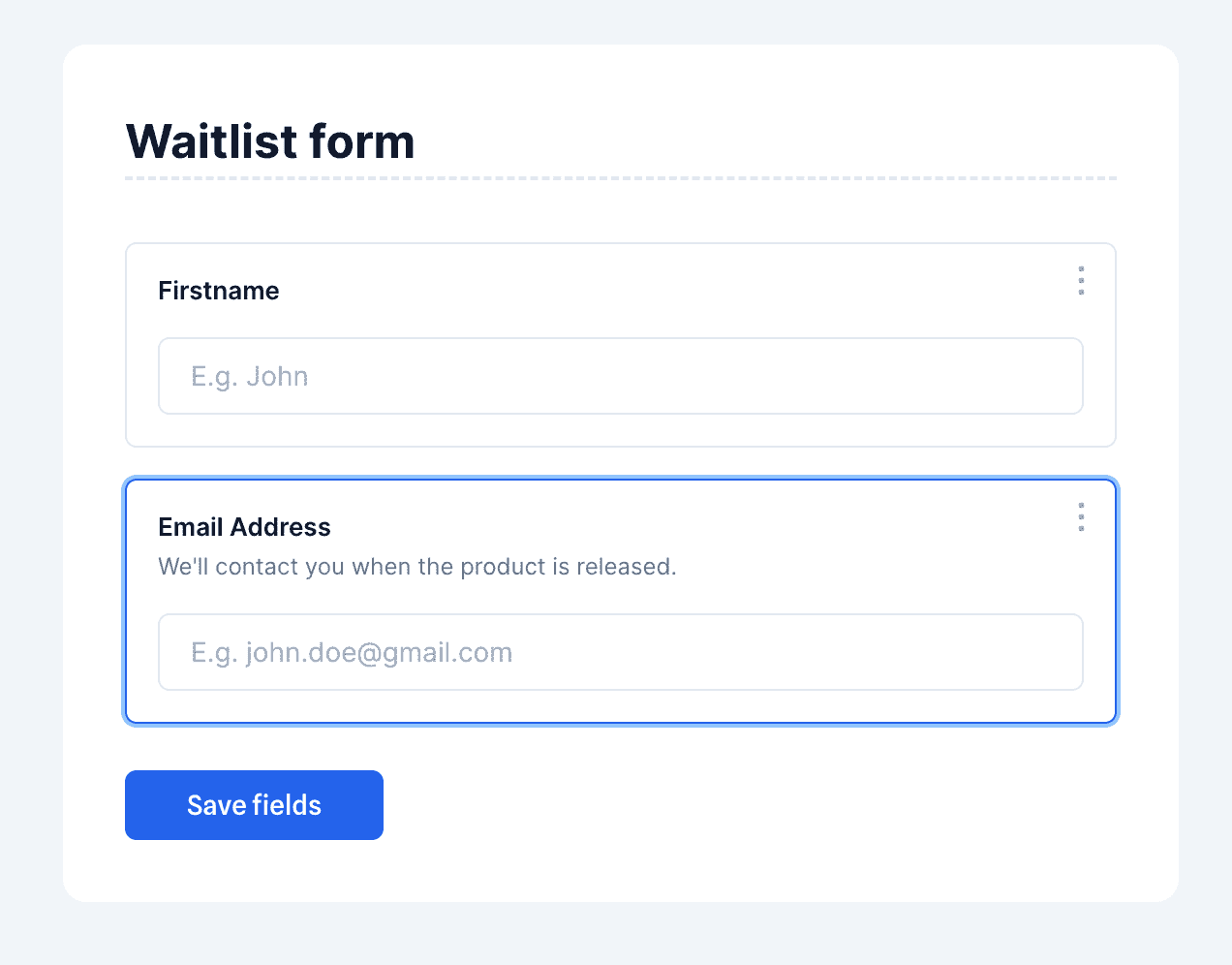
Keep the form short, asking only for first name, last name, and email address represents fundamental best practices that balance information collection needs with user experience optimization. Excessive form fields create barriers that reduce conversion rates while minimal requirements encourage broader participation from potential customers.
Students enrolled in Uncodemy's comprehensive Digital Marketing courses learn to view waitlist forms as integrated components of broader customer journey mapping and conversion funnel optimization strategies. This holistic approach ensures that pre-launch activities align with post-launch customer acquisition and retention objectives.
The data collection potential of waitlist forms extends beyond simple contact information to include customer preference insights, demographic patterns, and market validation metrics that inform product development decisions and marketing strategy refinements throughout development cycles.
User Experience Design Principles for Waitlist Forms
Effective waitlist form design requires understanding user psychology and behavior patterns that influence form completion rates and overall campaign success. Visual hierarchy, messaging clarity, and interaction design all contribute to creating compelling experiences that encourage user participation while communicating product value propositions effectively.
Form layout optimization involves strategic placement of input fields, call-to-action buttons, and supporting information that guides user attention through desired interaction sequences. Clear visual organization reduces cognitive load while maintaining focus on conversion objectives throughout user interaction processes.
Mobile responsiveness becomes particularly crucial for waitlist forms since mobile devices often represent primary touchpoints for social media sharing and viral marketing campaigns that drive waitlist growth. Responsive design ensures optimal user experiences across different device types and screen sizes.
Accessibility considerations ensure that waitlist forms remain usable for people with disabilities while complying with WCAG guidelines that increasingly influence search engine rankings and legal compliance requirements. These inclusive design practices expand potential audience reach while demonstrating organizational values.
Students pursuing advanced user experience training through programs like those offered by Uncodemy develop systematic approaches to form design optimization that balance conversion objectives with user experience quality and accessibility requirements across diverse user populations.
Technical Implementation and Frontend Development
HTML structure for waitlist forms requires semantic markup that supports accessibility while enabling efficient styling and JavaScript interaction management. Proper form element organization and labeling create foundations for both user experience optimization and technical functionality implementation.
CSS styling approaches for waitlist forms involve creating visually appealing interfaces that align with brand guidelines while maintaining conversion optimization focus. Color psychology, typography selection, and visual hierarchy principles all contribute to creating compelling form presentations that encourage completion.
JavaScript functionality enables sophisticated form behavior including real-time validation, progressive enhancement features, and dynamic user feedback that improves completion rates while providing immediate user experience improvements. These interactive enhancements create professional impressions that build trust and credibility.
Form validation implementation ensures data quality while preventing user frustration through clear error messaging and helpful guidance. Client-side validation provides immediate feedback while server-side validation ensures data integrity and security compliance.
Advanced students learning through Uncodemy's comprehensive Frontend Development programs develop skills in creating sophisticated form implementations that integrate seamlessly with backend systems while providing exceptional user experiences across different browsers and devices.
Backend Integration and Data Management
Database design for waitlist systems requires understanding data storage requirements, privacy compliance obligations, and integration needs with email marketing platforms and customer relationship management systems. Proper database architecture supports scalable growth while maintaining performance efficiency.
API development enables waitlist forms to communicate effectively with backend systems while providing real-time feedback to users and administrators. RESTful API design principles ensure maintainable integrations that support future system expansions and third-party service connections.
Email marketing integration involves connecting waitlist data with automated email sequences that nurture leads throughout pre-launch periods while providing value through exclusive content, updates, and early access opportunities. These automated workflows maintain engagement momentum between signup and launch.
Privacy compliance considerations include GDPR, CCPA, and other regional privacy regulations that affect how personal information is collected, stored, and used throughout waitlist campaigns. Proper compliance protects organizations while building user trust and credibility.
Security implementation involves protecting user data through encryption, secure transmission protocols, and access control measures that prevent unauthorized access while maintaining system functionality and user experience quality.
Conversion Optimization Strategies and A/B Testing
Headline optimization involves testing different value propositions, urgency messaging, and benefit statements that communicate product value while motivating immediate action. These messaging tests often produce significant conversion rate improvements through relatively simple modifications.
Call-to-action button optimization includes testing different text variations, colors, sizes, and placement options that encourage form completion while maintaining visual harmony with overall design elements. Small changes in button design often create substantial conversion improvements.
Social proof integration involves displaying signup counts, customer testimonials, or endorsements that build credibility while creating perceived popularity and demand. These social validation elements reduce user hesitancy while encouraging participation in waitlist campaigns.
Form length experimentation involves testing different information requirements to optimize the balance between data collection needs and conversion rate performance. Additional fields provide more customer insights but may reduce overall participation rates.
Students learning advanced optimization techniques through comprehensive educational programs develop systematic approaches to A/B testing and conversion improvement that support data-driven decision making throughout waitlist campaign management and optimization processes.
Email Marketing and Lead Nurturing Integration
Automated email sequences for waitlist subscribers involve creating value-driven content that maintains engagement while building anticipation for product launches. These sequences should provide genuine value through educational content, exclusive insights, or early access benefits.
Segmentation strategies enable personalized messaging based on signup timing, demographic information, or expressed interests that improve engagement rates while reducing unsubscribe rates throughout pre-launch nurturing campaigns. Targeted messaging resonates more effectively than generic broadcasts.
Welcome email optimization involves creating strong first impressions that confirm signup success while setting expectations for future communications and providing immediate value through exclusive content or special offers. These initial communications establish relationship foundations.
Launch notification systems ensure that waitlist subscribers receive priority access to products while managing release logistics and preventing system overload during high-traffic launch periods. Coordinated launch communications maximize conversion potential from cultivated audiences.
Engagement tracking and analytics enable optimization of email content, sending timing, and messaging strategies based on actual subscriber behavior rather than assumptions about customer preferences or optimal communication patterns.
Social Media Integration and Viral Marketing Features
Referral systems enable waitlist subscribers to invite friends and colleagues while earning rewards or improving their position in launch queues. These viral mechanics amplify organic growth while reducing customer acquisition costs through word-of-mouth marketing.
Social sharing integration involves providing easy mechanisms for waitlist subscribers to share launches with their networks through optimized messaging and compelling visual content that encourages organic promotion and audience expansion.
Gamification elements like position tracking, milestone rewards, or exclusive tier access create engagement that maintains interest throughout extended pre-launch periods while encouraging continued participation and sharing activities.
Influencer collaboration involves creating special signup links or promotional codes that enable tracking of influencer-driven signups while providing attribution data for campaign optimization and relationship management with content creators.
Community building features enable waitlist subscribers to interact with each other through comments, forums, or exclusive groups that maintain engagement while building brand loyalty and customer relationships before product availability.
Analytics and Performance Measurement
Key performance indicators for waitlist campaigns include signup conversion rates, email engagement metrics, social sharing rates, and eventual purchase conversion rates that measure overall campaign effectiveness and return on marketing investment.
Google Analytics integration enables comprehensive tracking of user behavior, traffic sources, and conversion paths that inform optimization decisions while providing insights into most effective marketing channels and content types.
Email marketing analytics provide insights into open rates, click-through rates, and engagement patterns that guide content optimization and sending schedule improvements throughout pre-launch nurturing campaigns.
Cohort analysis enables understanding of how signup timing affects eventual conversion rates while identifying optimal campaign durations and messaging sequences that maximize customer acquisition success rates.
Attribution tracking helps identify which marketing channels and campaigns drive highest-quality waitlist signups that convert to customers at launch, enabling budget allocation optimization for future product launches.
Advanced Features and Professional Implementation
Progressive profiling enables gradual collection of additional customer information through multiple touchpoints rather than overwhelming users with lengthy initial forms. This approach improves initial conversion rates while building comprehensive customer profiles over time.
Dynamic content personalization involves customizing form messaging, product benefits, or social proof elements based on traffic sources, demographics, or previous interaction history that improves relevance and conversion rates.
Multi-step form implementation can improve completion rates for complex signups while providing psychological progress indicators that encourage completion through commitment and consistency principles.
Integration with customer relationship management systems enables comprehensive lead tracking and nurturing that supports both pre-launch marketing and post-launch customer success initiatives through unified customer data management.
Advanced security features including CAPTCHA integration, rate limiting, and fraud detection protect against spam submissions while maintaining legitimate user experience quality throughout signup processes.
Future Trends and Emerging Technologies
Artificial intelligence integration enables predictive modeling for launch success, automated content personalization, and intelligent lead scoring that improves campaign effectiveness while reducing manual management requirements.
Voice interface compatibility represents emerging opportunities for waitlist signups through smart speakers and voice assistants that expand accessibility while providing convenient signup mechanisms for busy potential customers.
Augmented reality previews enable waitlist forms to include interactive product demonstrations that increase engagement while providing realistic product expectations that improve eventual customer satisfaction rates.
Blockchain integration possibilities include transparent waitlist management, verifiable position tracking, and decentralized reward systems that build trust while preventing manipulation or unfair practices.
Students pursuing forward-thinking education through institutions like Uncodemy position themselves to understand and leverage these emerging opportunities as they become mainstream in digital marketing and product launch strategies.