Think about the last time you downloaded a fitness app. Day one? You’re pumped. Day seven? You’re tired of staring at charts. By week two, the app sits untouched.
That’s not a willpower problem—it’s a design problem.
Why badges actually work
We humans love rewards, even the tiny ones. That’s why games hook us so well. Hit a milestone? Boom—new level unlocked. Complete a streak? You get a shiny badge.
It sounds silly, but it taps into something deep: progress feels better when you can see it. A badge isn’t just decoration—it’s a marker of effort. And when you stack them, it feels like collecting trophies.
So if we want people to stick with fitness habits, the app has to feel more like a game than a ledger.
Building the basics
Let’s strip it down to the core idea of this app:
- Daily check-ins: Did you drink water? Walk 5k steps? Meditate? You log it.
- Streaks: Consistency unlocks streak points.
- Badges: Hit 7 days? You get a Bronze badge. 30 days? Silver. 100 days? Gold.
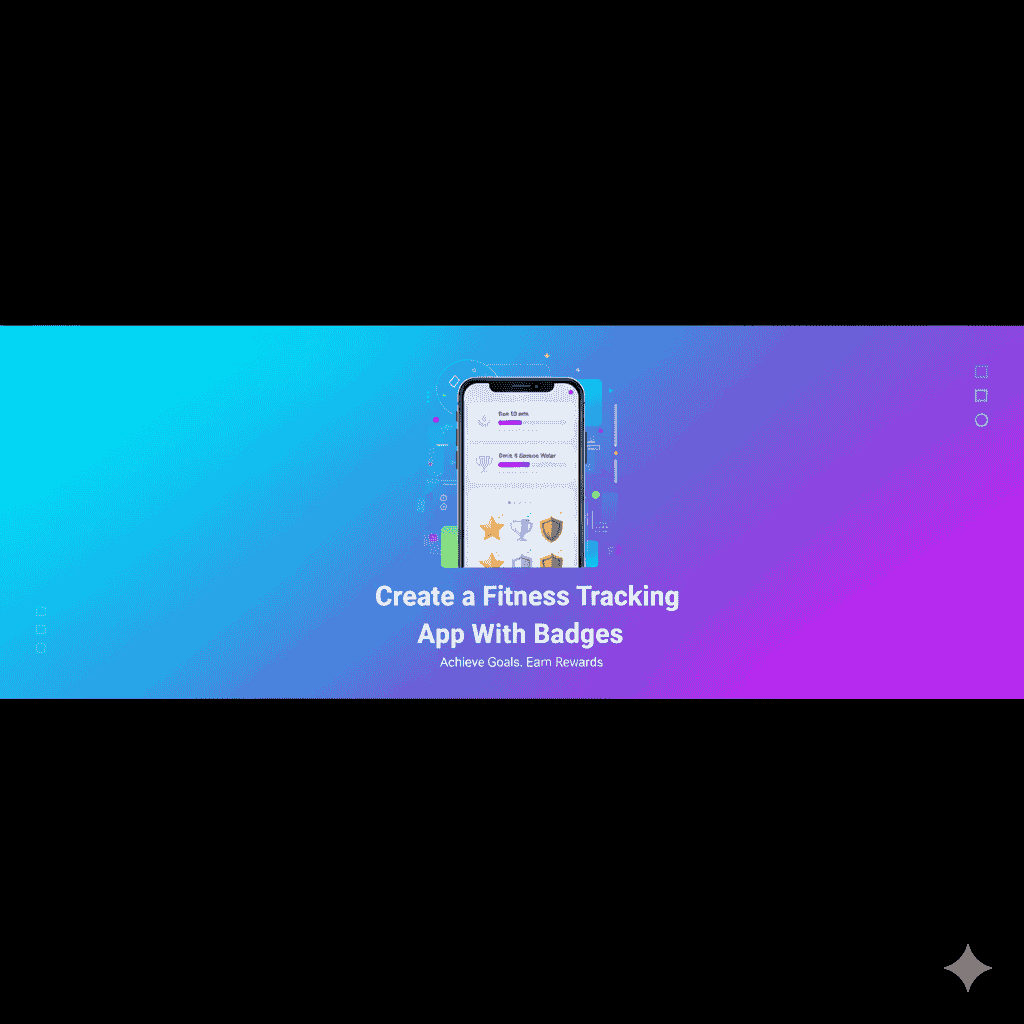
You don’t need a PhD in app design to sketch this out. Even a simple wireframe can make it clear: one screen for today’s habits, another for your badge collection. Suddenly the whole app becomes about chasing visible milestones, not just ticking boxes.
Adding personality
Here’s where most habit trackers go wrong—they feel clinical. Numbers, graphs, notifications. Yawn.
What if the app talked back? Imagine a notification that says:
- “Day 10 streak! You’ve unlocked the ‘Consistency Rookie’ badge.”
- “Hydration Master unlocked: you hit your water goal for 14 days straight.”
That little bit of fun language makes people smile, and smiling is what keeps them coming back.
What we teach at Uncodemy
At Uncodemy, we love projects like this because they mix psychology with code. You’re not just building another to-do list—you’re designing behavior.
We push students to think about the human side:
- Why would someone care about a badge?
- What colors or animations make it satisfying?
- How do you nudge users without annoying them?
It’s in these details that an average app turns into one people stick with.
The “aha” moment
One student built a prototype during class: every time you logged a workout, the app dropped a little confetti animation and added your badge to a virtual shelf. It sounds small, but when he demoed it, people actually cheered.
That’s the moment you realize—fitness apps aren’t about data, they’re about feelings. And badges give people something to feel proud of.
How you could expand it
Once the basics are solid, you can layer on extras:
- Social sharing: show off your badges to friends.
- Levels: higher streaks unlock harder challenges.
- Custom badges: let users design their own rewards.
But the foundation stays the same: track habits, reward effort, make progress visible.
Wrapping it up
Most fitness trackers try to guilt you into showing up. A better app celebrates the small wins. Badges are the secret ingredient—silly on the surface, but powerful underneath.
If you’re learning at Uncodemy, this is the kind of project that teaches you more than coding. It shows you how tech can shape human behavior, how design sparks motivation, and how a little bit of play can turn boring routines into habits that stick.
And who knows? Maybe the first badge your app gives out isn’t for workouts at all—it’s for building the app itself.