Understanding the Technology Behind Link Management Platforms
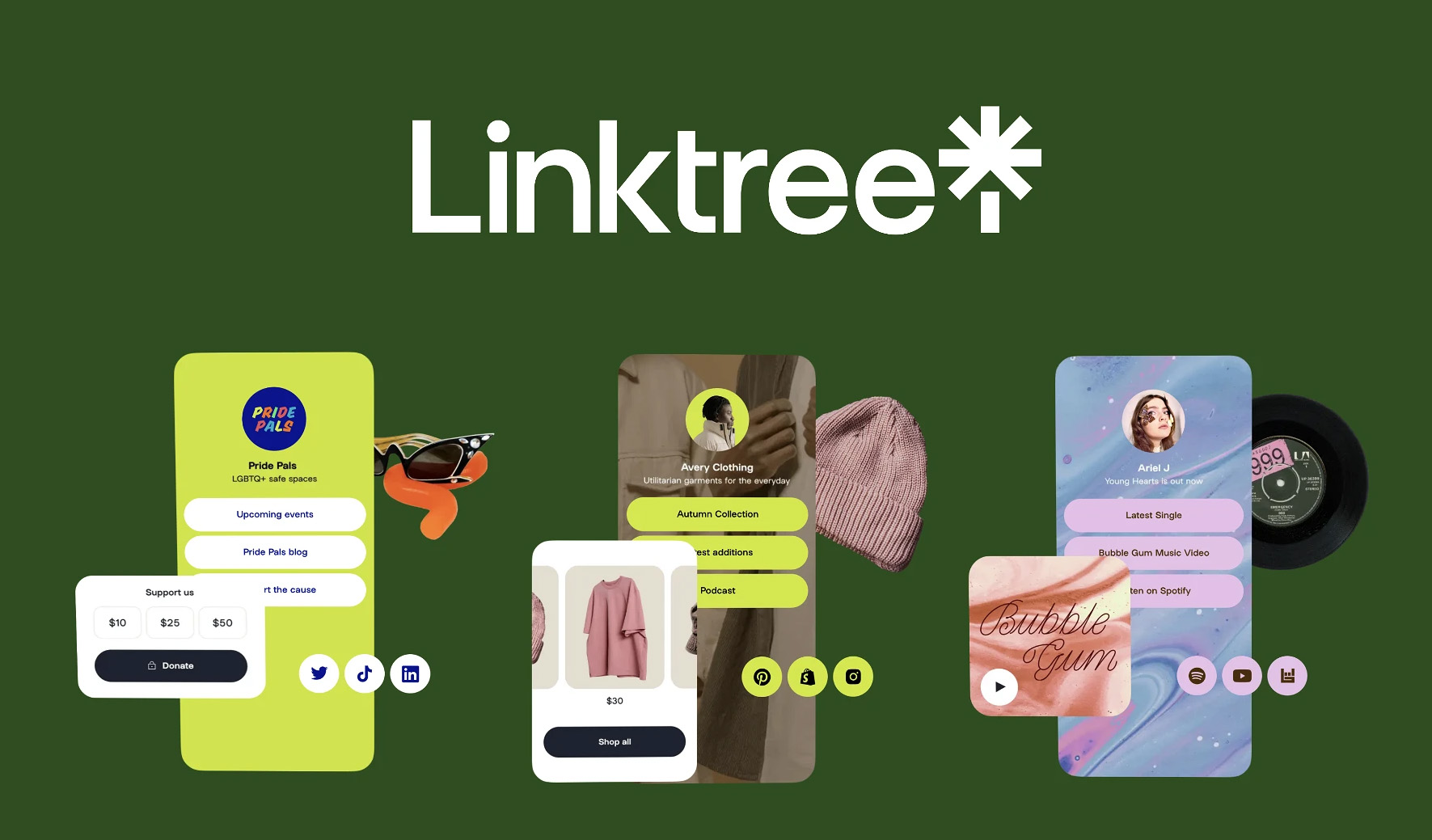
The concept of centralized link management represents a fundamental shift in how digital professionals approach social media optimization and audience engagement. Traditional approaches required users to constantly update single links in their social media bios, creating friction between content creators and their audiences. Modern link management platforms solve this challenge by providing a single, customizable landing page that houses multiple destination links, social media profiles, and interactive elements.
Technology companies have recognized the immense potential in this space, with numerous startups and established firms developing sophisticated solutions that go far beyond simple link aggregation. These platforms now incorporate advanced analytics, custom branding options, integration capabilities with marketing tools, and responsive design elements that ensure optimal performance across all devices and platforms.
The underlying technology stack for these solutions typically involves front-end frameworks for user interface development, back-end systems for data management and analytics, and cloud hosting infrastructure that ensures reliable performance and scalability. Understanding these technical components becomes essential for developers who want to create their own alternatives that compete with established market leaders.
Exploring Market Opportunities in Custom Link Solutions
The link management industry has experienced remarkable growth as social media platforms and digital marketing strategies have evolved. Content creators, small businesses, and large enterprises alike seek solutions that align with their brand identity while providing the functionality necessary to drive conversions and engagement. This demand creates exceptional opportunities for developers who can create innovative alternatives to existing platforms.
Many organizations discover that popular link management tools impose limitations that restrict their marketing strategies or fail to integrate properly with their existing technology infrastructure. These pain points represent opportunities for custom solutions that address specific industry needs or provide enhanced functionality that generic platforms cannot offer.
The most successful custom link management platforms often focus on specific niches or user groups, developing features and capabilities that serve those audiences better than broad-market solutions. This specialization approach enables developers to create highly targeted products that command premium pricing while delivering superior user experiences.
Essential Features for Professional Link Management Platforms
Creating an effective Linktree alternative requires careful consideration of the core features that users expect from modern link management solutions. The foundation begins with intuitive link organization capabilities that allow users to add, edit, and rearrange their links without technical expertise. This functionality must be complemented by customization options that enable users to align their link pages with their brand identity through custom colors, fonts, backgrounds, and layout options.
Analytics integration represents another crucial component that differentiates professional solutions from basic alternatives. Users need detailed insights into click-through rates, visitor demographics, traffic sources, and conversion tracking that helps them optimize their link strategies over time. These analytics capabilities require robust backend systems that can collect, process, and present data in user-friendly formats.
Mobile responsiveness has become non-negotiable in modern web development, and link management platforms must deliver flawless experiences across smartphones, tablets, and desktop computers. This requirement extends beyond simple responsive design to include touch-optimized interfaces, fast loading times, and accessibility features that ensure all users can interact with the platform effectively.
Integration capabilities with popular marketing tools, email platforms, and social media management systems add significant value for professional users. These integrations enable automated workflows, advanced targeting capabilities, and seamless data synchronization that enhances overall marketing efficiency and effectiveness.
Technical Architecture and Development Considerations
Building a robust link management platform requires careful planning of the technical architecture that will support current functionality while enabling future expansion. The choice of programming languages, frameworks, and hosting solutions significantly impacts the platform's performance, scalability, and maintenance requirements over time.
Front-end development typically involves modern JavaScript frameworks such as React, Vue.js, or Angular, which provide the interactive capabilities and responsive design elements that users expect. These frameworks enable the creation of dynamic interfaces that update in real-time without page refreshes, improving user experience and engagement.
Backend development considerations include database design for efficient link storage and retrieval, API development for integration capabilities, and security implementation to protect user data and prevent unauthorized access. The choice between relational and NoSQL databases depends on the specific data requirements and expected usage patterns of the platform.
Cloud hosting solutions offer the scalability and reliability necessary for platforms that may experience rapid growth or varying traffic patterns. Services like AWS, Google Cloud Platform, or Microsoft Azure provide the infrastructure components necessary for professional-grade applications, including content delivery networks, load balancing, and automated backup systems.
Uncodemy's Full Stack Development Course: Building Professional Web Applications
Recognizing the growing demand for skilled developers who can create sophisticated web applications, Uncodemy offers comprehensive Full Stack Development courses that equip students with the technical expertise necessary to build professional link management platforms and other complex web applications. Their curriculum covers both front-end and back-end development technologies, ensuring graduates understand the complete development lifecycle.
The program provides hands-on experience with modern development frameworks, database design principles, cloud deployment strategies, and security best practices. Students work on real-world projects that mirror the complexity of building custom web applications, including link management systems, e-commerce platforms, and social media applications.
Uncodemy's experienced instructors bring industry expertise from leading technology firms, sharing insights about best practices, common pitfalls, and emerging trends in web development. This practical knowledge helps students understand not only how to implement specific technologies but also how to make strategic decisions about architecture and feature development that impact long-term project success.
The course structure emphasizes project-based learning, where students progressively build more complex applications as they master new concepts and technologies. This approach ensures that graduates develop both technical skills and the problem-solving abilities necessary to tackle challenging development projects in professional environments.
User Experience Design for Link Management Applications
Creating an exceptional user experience requires understanding how different user types interact with link management platforms and designing interfaces that accommodate various skill levels and use cases. Content creators typically prioritize ease of use and quick setup, while business users may require more sophisticated customization options and integration capabilities.
The design process begins with user research and persona development that identifies the primary user groups and their specific needs. This research informs interface design decisions, feature prioritization, and workflow optimization that ensures the platform serves its intended audience effectively.
Information architecture plays a crucial role in organizing platform features and content in logical, intuitive ways. Users should be able to accomplish their primary tasks with minimal clicks and confusion, while advanced features remain accessible for users who need more sophisticated capabilities.
Visual design elements including color schemes, typography, iconography, and layout contribute to the platform's professional appearance and brand perception. These design choices should align with modern web design trends while maintaining the functionality and accessibility that users require.
Advanced Features and Monetization Strategies
Successful link management platforms often differentiate themselves through advanced features that provide additional value beyond basic link organization. These features might include scheduled link activation, A/B testing capabilities for different link arrangements, advanced analytics with conversion tracking, and integration with email marketing platforms for lead capture.
Custom domain support represents a premium feature that many professional users value highly, as it allows them to maintain brand consistency while leveraging the platform's functionality. This feature requires additional technical implementation for domain verification and SSL certificate management but can command premium pricing.
E-commerce integration capabilities enable users to sell products directly from their link pages, creating additional revenue opportunities for both users and platform operators. These features require secure payment processing, inventory management, and order fulfillment capabilities that add complexity but significantly increase platform value.
Subscription-based monetization models work well for link management platforms, with different tiers offering varying levels of features, customization options, and analytics capabilities. This approach provides predictable revenue while allowing users to scale their investment based on their needs and success with the platform.
Security and Performance Optimization
Professional link management platforms must implement robust security measures to protect user data and maintain platform integrity. This includes secure user authentication systems, encrypted data transmission, regular security audits, and compliance with relevant data protection regulations such as GDPR.
Performance optimization becomes increasingly important as platforms grow and serve more users. Database query optimization, content delivery network implementation, image optimization, and caching strategies all contribute to fast loading times that improve user experience and search engine rankings.
Monitoring and logging systems enable proactive identification of performance issues, security threats, and usage patterns that inform platform improvements and capacity planning. These systems should provide real-time alerts for critical issues while collecting historical data for trend analysis.
Deployment and Scaling Considerations
Launching a custom link management platform requires careful planning of the deployment process and ongoing maintenance requirements. Continuous integration and deployment pipelines automate testing and deployment processes, reducing the risk of errors and enabling rapid feature updates.
Scalability planning ensures that the platform can handle growth in user base and traffic without performance degradation. This includes database scaling strategies, server capacity planning, and content delivery optimization that maintains performance as demand increases.
Backup and disaster recovery procedures protect against data loss and ensure business continuity in case of technical failures or security incidents. Regular testing of these procedures ensures they will function effectively when needed.
Marketing and User Acquisition Strategies
Successfully launching a custom link management platform requires effective marketing strategies that reach target users and communicate the platform's unique value proposition. Content marketing through technical blogs, social media engagement, and search engine optimization help establish authority and attract organic traffic.
Partnership opportunities with complementary service providers, influencers, and business communities can accelerate user acquisition and provide validation for the platform's capabilities. These partnerships often prove more effective than paid advertising for reaching highly targeted user segments.
User feedback collection and implementation demonstrates commitment to continuous improvement while providing insights for feature development and user experience optimization. Active community building around the platform creates loyalty and organic growth through word-of-mouth recommendations.
Future Trends and Innovation Opportunities
The link management industry continues evolving with new technologies and user expectations creating opportunities for innovation. Artificial intelligence integration for automated link optimization, advanced personalization based on visitor characteristics, and integration with emerging social media platforms represent potential areas for differentiation.
Mobile-first design approaches reflect the reality that most users access link pages through mobile devices, requiring interfaces optimized for touch interaction and limited screen space. Progressive web app technology can provide app-like experiences without requiring separate mobile applications.
Conclusion
Building a custom Linktree alternative represents an excellent opportunity for developers to create valuable solutions while developing sophisticated technical skills. The combination of market demand, technical complexity, and creative possibilities makes these projects ideal for demonstrating full-stack development capabilities and entrepreneurial thinking.
Success in this space requires understanding both the technical requirements for building scalable web applications and the user experience considerations that differentiate exceptional platforms from basic alternatives. Educational programs like Uncodemy's Full Stack Development course provide the comprehensive training necessary to master these complex requirements while building the confidence to tackle ambitious development projects.
The technology landscape continues offering opportunities for innovative solutions that serve specific user needs better than existing alternatives. Developers who combine technical expertise with market understanding position themselves to create successful platforms that provide genuine value while building rewarding careers in the dynamic world of web development.