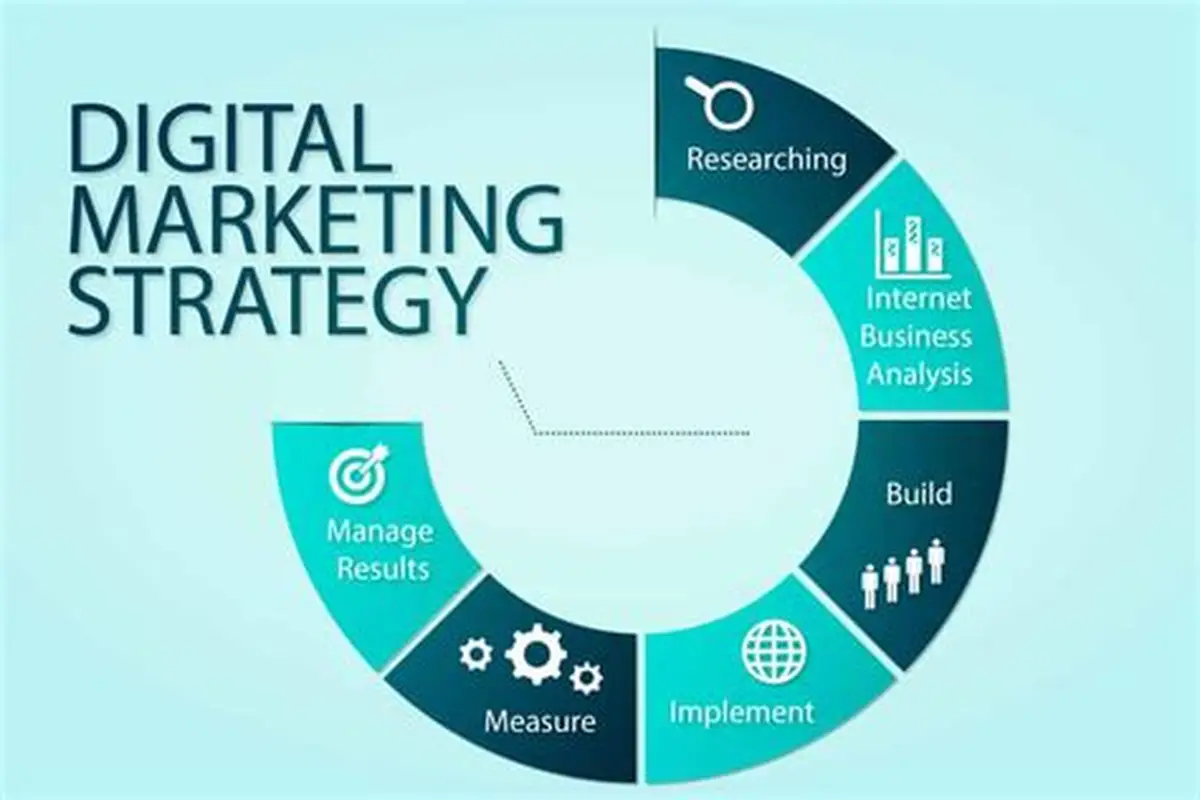
This article explains the steps to create an effective digital marketing strategy starting from scratch, and with no noise. This guide also walks you through the way the Uncodemy Digital Marketing Course in Noida helps you do this with real-world examples.
Step 1: Define Your Campaign Goal
Every campaign should have a specific objective that is measurable and measurable. Consider clear results rather than vague goals.
Examples:
- Create 1,000 new email subscribers in just 30 days
-
- Visitor numbers on websites increase by 25% during Q3
-
- Create 100 leads that are qualified to the sales team
-
- Reach Rs10L of online sales using Instagram advertisements
-
If it's impossible to measure the way you want to, then it's not an actual objective.
Uncodemy's class helps students set KPI-related goals that are aligned with GA4 and CRM tools and benchmarks for campaigns.
Step 2: Know Your Audience Inside-Out
Your marketing message isn't directed at "everyone." Get specific.
Create audience personas that are based on:
- Location, age, income
-
- Shopping habits
-
- Platforms that they utilize
-
- Desires and pain points
-
- Conduct of the competitor
-
Utilize surveys use surveys, Google Analytics Social listening as well as keyword research, to collect the most accurate facts. The more specific your target audience is, the more effective your results.
The course offered by Uncodemy is a part of the marketing research module and audience segmentation module, which is applied to authentic branding scenarios.
Step 3: Choose Your Channels Strategically
Choose your platforms carefully, not merely in order to increase their the popularity. Pick a platform based on where your target audience is spending time as well as the purpose of your campaign is.
Examples:
- SEO + Content Marketing for long-term, sustainable traffic
-
- Google Ads to drive intent-driven leads Gen
-
- The Instagram platform can be used to build brand awareness and launch of new products
-
- Contact us for upselling or retention
-
- LinkedIn is a great platform for B2B leads
-
Each platform is designed to serve a specific function. Your strategy should be based on that.
Step 4: Budget and Resource Allocation
Determine early on how much you're willing and able to spend on:
- Media that is paid (ads)
-
- Tools (email software and analytics tools, as well as schedulers,)
-
- Production of content (designers and writers editors)
-
- Internal teams or freelancers
-
Divide your budget into the channel. Consider the cost of time too. If your staff isn't large and you are trying to reduce the size of your team, it's time to simplify.
The course at Uncodemy teaches you how to make campaign budgets, media plans and campaigns with industry-specific templates.
Step 5: Build the Content and Creative Assets
The fun begins How do you say it in a way?
It is necessary to mix formats:
- Copy of advertisement
-
- Pages for landing
-
- Emails
-
- Reels or videos
-
- Infographics
-
- Blog content
-
All messages should be aligned to your campaign's primary goal, and ensure consistency in your visuals.
The students in the course of Uncodemy create real-time creative assets for their campaigns. The course is not merely a theoretical exercise. Content is created and you receive feedback.
Step 6: Map the Funnel and Campaign Timeline
An excellent campaign isn't only fun. It's also a trip.
Plan:
- Awareness Content (top of the funnel)
-
- Consideration content (mid-funnel)
-
- Conversion content (bottom-funnel)
-
- Retargeting for drop-offs
-
After that, plot it all in a timeline
- What time will the content be live?
-
- What happens when advertising budgets grow or decline?
-
- When do emails get sent?
-
Timing is only half the game.
Step 7: Set Up Tracking and Analytics
Prior to launch, you must lock it in:
- UTM parameters
-
- GA4 tracking
-
- Conversion goals
-
- Custom dashboards
-
If you don't track it, you can't improve it. Period.
Uncodemy ensures that this is an essential element when they train their employees. Every campaign should include a plan for tracking.
Step 8: Launch and Monitor
Be present and don't fade away. Be aware of early warning signs
- Click-through rate
-
- Rates of bounce
-
- Scores for Ad Relevance
-
- Engagement measures
-
Modify as necessary. Most campaigns need mid-flight adjustments.
Step 9: Evaluate and Report
When it's done:
- What did you do?
-
- Which bomb was it?
-
- Did you get close to your the goal?
-
- Which of these mistakes should be to be avoided the for the next time?
-
Write a document. It's not just for your clients or your boss, but also for yourself. That's how you develop.
In the Uncodemy final project module students write reports on their post-campaign campaigns and submit them for evaluation.
Final Thoughts
Making a successful digital marketing campaign plan involves planning, part implementation, and part repetition. There's no formula that is perfect, but there are strategies that can help you replicate the success without wasting time.
The Uncodemy Digital Marketing Course in Noida isn't a course that teaches you theories by itself. It will show how campaigns are constructed, tweaked and analysed. The course leaves with real-world experience instead of documents and slides.
If you're determined to become a digital marketing professional who understands how to design campaigns that perform and are effective, here's how to begin.