Among these crucial components, favicons and Open Graph tags represent fundamental building blocks that determine how brands appear and function across browsers, search engines, and social media platforms.
The significance of these seemingly minor technical elements cannot be overstated in contemporary digital marketing strategies. Educational institutions like Uncodemy have recognized this trend and integrated comprehensive coverage of these topics into their Web Development courses. Students who understand the strategic importance of brand consistency across digital touchpoints position themselves advantageously in competitive technology markets.
Professional web developers today must balance technical proficiency with brand awareness considerations. The implementation of favicons and Open Graph tags requires both coding expertise and strategic thinking about user experience optimization. This comprehensive guide explores the essential methods and best practices for implementing these brand recognition elements effectively across diverse digital environments.
Understanding Favicon Fundamentals and Strategic Impact
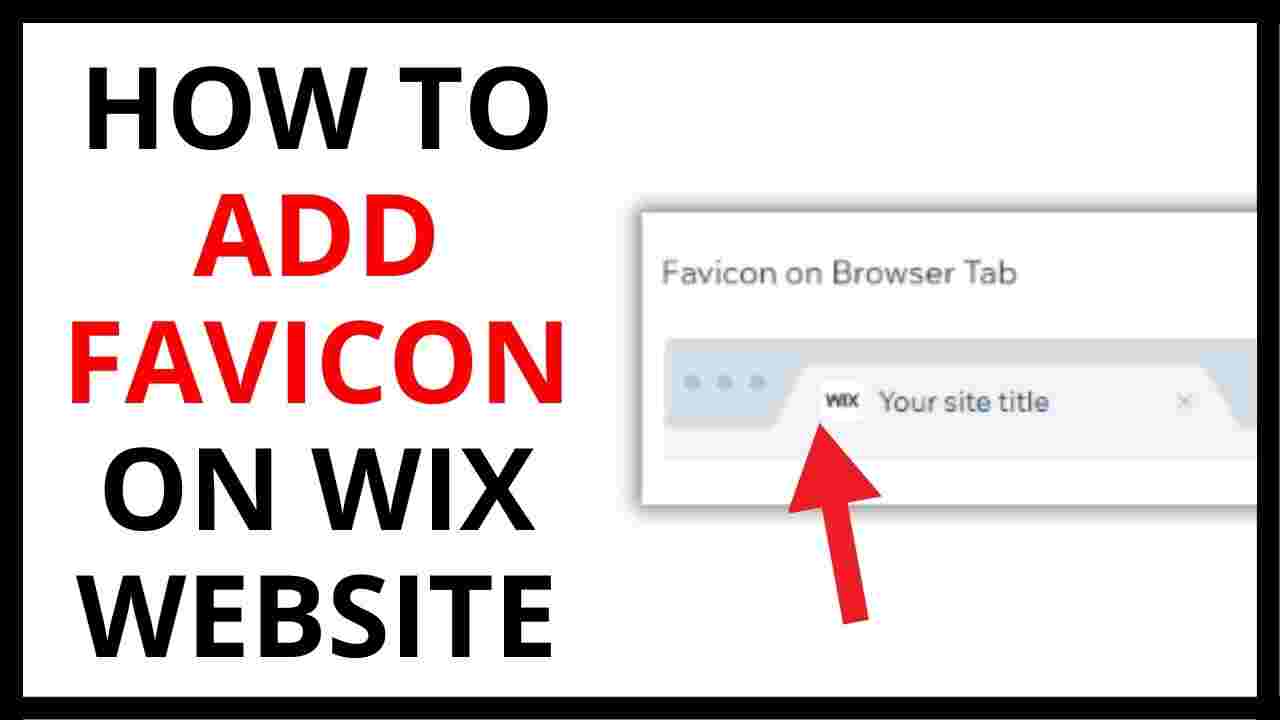
Brand Recognition: They act as a visual marker that supports brand awareness, making favicons crucial elements of comprehensive digital branding strategies. These small icons appear in browser tabs, bookmarks, and search results, creating consistent visual touchpoints that reinforce brand identity across user interactions.
The technical specifications for favicons have evolved significantly from their original 16x16 pixel format. Your favicon must be a square (1:1 aspect ratio) that's at least 8x8px. While the minimum size requirement is 8x8px, we recommend using a favicon that's larger than 48x48px so that it looks good on various surfaces. Modern implementations require multiple sizes to ensure optimal display across different devices and platforms.
Students enrolled in Uncodemy's comprehensive Web Development programs learn that favicon implementation represents more than simple image placement. The process involves understanding browser compatibility requirements, file format optimization, and strategic brand representation within severe size constraints. These skills become increasingly valuable as websites compete for user attention in crowded digital environments.
The psychological impact of consistent favicon usage extends beyond immediate brand recognition benefits. Users develop subconscious associations between visual elements and their browsing experiences, making well-designed favicons powerful tools for creating positive brand memories. This psychological dimension adds strategic depth to what might otherwise seem like purely technical implementation tasks.
Cross-platform consistency in favicon appearance requires careful consideration of different rendering environments and display contexts. The same favicon must work effectively in browser tabs, mobile device home screens, social media previews, and search engine results. This versatility requirement challenges designers to create icons that remain recognizable and professional across diverse visual contexts.
Open Graph Tags: Social Media Optimization Foundation
Open Graph protocol implementation transforms how websites appear when shared across social media platforms, significantly impacting user engagement rates and brand presentation quality. These meta tags control the title, description, image, and other elements that appear in social media posts, email previews, and messaging applications.
The strategic importance of Open Graph optimization becomes apparent when considering social media's role in modern marketing strategies. Poorly configured OG tags result in generic, unprofessional previews that fail to capture user attention or accurately represent brand identity. Conversely, well-optimized Open Graph implementation can dramatically increase click-through rates and social engagement metrics.
Technical implementation of Open Graph tags requires understanding the specific requirements and limitations of different social media platforms. Facebook, Twitter, LinkedIn, and other networks each have unique specifications for optimal image dimensions, character limits, and content formatting. Students pursuing advanced training through Uncodemy's Digital Marketing courses learn to navigate these platform-specific requirements effectively.
The relationship between Open Graph optimization and search engine optimization represents an often-overlooked strategic consideration. While OG tags primarily target social media platforms, search engines increasingly consider social engagement signals when determining content relevance and authority. This connection between social media optimization and search performance adds strategic depth to Open Graph implementation decisions.
Dynamic Open Graph tag generation enables sophisticated content marketing strategies where different pages or content types require customized social media presentations. This advanced implementation approach involves content management system integration and automated tag generation based on page content, user behavior, or marketing campaign parameters.
Technical Implementation: HTML Structure and Code Integration
The foundational HTML structure for favicon implementation involves multiple link elements that address different device requirements and browser compatibility needs. Modern best practices require including various sizes and formats to ensure optimal display across desktop browsers, mobile devices, and application contexts.
Basic favicon implementation begins with the traditional favicon.ico file placed in the website root directory, but comprehensive implementation extends far beyond this simple approach. Contemporary websites require multiple icon formats including PNG files in various sizes, Apple touch icons for iOS devices, and potentially SVG formats for scalable implementations.
The HTML head section must include properly structured link elements that specify icon types, sizes, and relationships. These elements inform browsers and applications about available icon options, enabling them to select appropriate versions based on specific display requirements. Students learning through Uncodemy's comprehensive Web Development courses master these technical details while understanding their strategic implications.
Open Graph tag implementation follows structured meta tag patterns that must be placed within the HTML head section. Each tag serves specific purposes in controlling social media presentation, from basic title and description elements to advanced image specifications and article metadata. The systematic approach to OG tag implementation ensures consistent presentation across different sharing contexts.
Validation and testing procedures for both favicon and Open Graph implementations require systematic verification across multiple platforms and contexts. Debug tools provided by major social media platforms enable developers to preview how content will appear when shared, while browser developer tools help verify favicon loading and display functionality.
Advanced Design Considerations and Brand Consistency
Effective favicon design requires distilling complex brand elements into recognizable symbols that work effectively at extremely small sizes. This design challenge involves understanding which brand elements remain identifiable when reduced to icon dimensions, while maintaining visual connection to broader brand identity systems.
Color psychology plays crucial roles in favicon design, particularly considering how colors appear across different backgrounds and display contexts. Icons that work well against light browser backgrounds may become invisible against dark themes, requiring designers to consider multiple viewing scenarios during the design process.
Typography considerations in favicon design present unique challenges when brands rely heavily on text-based logos or wordmarks. Converting text elements into recognizable icons requires strategic simplification that preserves brand recognition while ensuring legibility at small sizes. This process often involves creating symbolic representations of text-based brands.
Open Graph image design requires balancing brand consistency with social media optimization best practices. These images must work effectively across different aspect ratios and sizes while maintaining brand recognition and visual appeal. The design process involves understanding how different platforms crop and display images in various contexts.
The integration of favicon and Open Graph elements with broader brand identity systems ensures consistency across all digital touchpoints. This systematic approach requires coordination between web development teams, graphic designers, and marketing professionals to maintain cohesive brand presentation throughout user experiences.
Cross-Platform Compatibility and Technical Optimization
Browser compatibility considerations for favicon implementation involve understanding the different formats and specifications required by various web browsers and their versions. Internet Explorer, Chrome, Firefox, Safari, and Edge each have specific requirements and capabilities that impact favicon display and functionality.
Mobile device optimization requires specialized favicon formats and implementations that address the unique requirements of iOS and Android platforms. Apple touch icons, Android Chrome icons, and Windows tile images each require specific dimensions and technical specifications to ensure optimal display in mobile environments.
Performance optimization for favicon and Open Graph implementations involves balancing image quality with file size considerations. Large favicon files can impact page loading speeds, while poor quality images create negative brand impressions. Finding optimal balance requires understanding compression techniques and format selection strategies.
Cache management strategies for favicon files ensure consistent display while minimizing server load and improving user experience. Proper cache headers and versioning strategies prevent browsers from displaying outdated favicons while ensuring efficient resource utilization across user sessions.
Testing procedures for cross-platform compatibility require systematic verification across different devices, browsers, and sharing contexts. This comprehensive testing approach helps identify platform-specific issues before they impact user experience or brand presentation quality.
SEO Integration and Search Engine Optimization Benefits
The relationship between favicon implementation and search engine optimization extends beyond simple brand recognition benefits. Search engines increasingly display favicons in search results, making these icons important elements of search result presentation and click-through rate optimization.
Google's favicon display policies in search results require understanding specific technical requirements and quality standards. The favicon URL must be stable and meet quality guidelines to ensure consistent display in search results. These requirements add technical considerations to favicon implementation strategies.
Open Graph tag optimization contributes indirectly to search engine optimization through improved social media engagement and sharing metrics. Content that performs well on social media platforms often receives increased attention from search engines, creating positive feedback loops between social optimization and search performance.
Structured data integration with Open Graph implementation enables enhanced search result presentations and increased visibility in search engine features. This advanced optimization approach requires understanding both technical implementation requirements and strategic content marketing considerations.
Students pursuing comprehensive digital marketing education through programs like those offered by Uncodemy learn to view favicon and Open Graph optimization as integrated components of broader SEO strategies rather than isolated technical tasks.
Content Management System Integration and Automation
WordPress implementation of favicon and Open Graph functionality often involves plugin solutions that simplify technical implementation while providing advanced customization options. Understanding the capabilities and limitations of different plugin approaches helps developers select appropriate solutions for specific project requirements.
Custom content management system implementations require building automated systems that generate appropriate Open Graph tags based on content type, page structure, and marketing campaign requirements. This development work involves understanding both technical implementation details and strategic marketing objectives.
E-commerce platform considerations for favicon and Open Graph implementation include product-specific image generation, dynamic pricing integration, and inventory status reflection in social media previews. These specialized requirements often require custom development work that extends beyond basic implementation approaches.
Blog and content website implementations benefit from automated Open Graph tag generation that creates compelling social media previews for articles, videos, and other content types. This automation reduces manual work while ensuring consistent optimization across large content libraries.
The integration of favicon and Open Graph management with broader content management workflows ensures sustainable implementation that scales with organizational growth and content production requirements.
Analytics and Performance Measurement Strategies
Measuring the effectiveness of favicon and Open Graph implementations requires establishing baseline metrics and tracking improvements in user engagement, brand recognition, and social media performance. These measurement approaches help organizations understand return on investment for branding optimization efforts.
Social media analytics platforms provide insights into how Open Graph optimization affects engagement rates, click-through performance, and content sharing behavior. Understanding these metrics helps organizations refine their social media optimization strategies and improve content marketing effectiveness.
Brand recognition measurement techniques for favicon effectiveness might involve user surveys, brand recall studies, and analysis of direct traffic patterns. These qualitative and quantitative approaches provide insights into how visual branding elements influence user behavior and brand perception.
A/B testing methodologies for Open Graph optimization enable data-driven decisions about image selection, title formatting, and description writing. These testing approaches help organizations optimize social media performance while maintaining brand consistency requirements.
Students learning advanced digital marketing techniques through comprehensive programs develop skills in measuring and optimizing these brand recognition elements as part of broader performance marketing strategies.
Future Trends and Emerging Technologies
Progressive Web Application requirements for favicon implementation include specialized manifest files and icon specifications that enable app-like experiences within web browsers. Understanding these emerging standards helps developers prepare for evolving web technology landscapes.
Voice search optimization considerations may influence how favicon and Open Graph elements contribute to brand recognition in audio-first search environments. As voice search grows in popularity, visual branding elements may need adaptation for audio presentation contexts.
Artificial intelligence applications in automated favicon and Open Graph optimization could enable dynamic content generation based on user behavior, content performance, and brand guidelines. These emerging technologies may transform how organizations approach visual brand optimization across digital platforms.
Augmented reality and virtual reality integration possibilities for brand recognition elements represent emerging opportunities for innovative brand presentation approaches. As these technologies become more mainstream, traditional favicon and Open Graph concepts may evolve into three-dimensional brand experiences.
The evolution of social media platforms and sharing mechanisms will continue influencing Open Graph implementation requirements and optimization strategies. Organizations that understand these trends position themselves advantageously for future digital marketing opportunities and challenges.