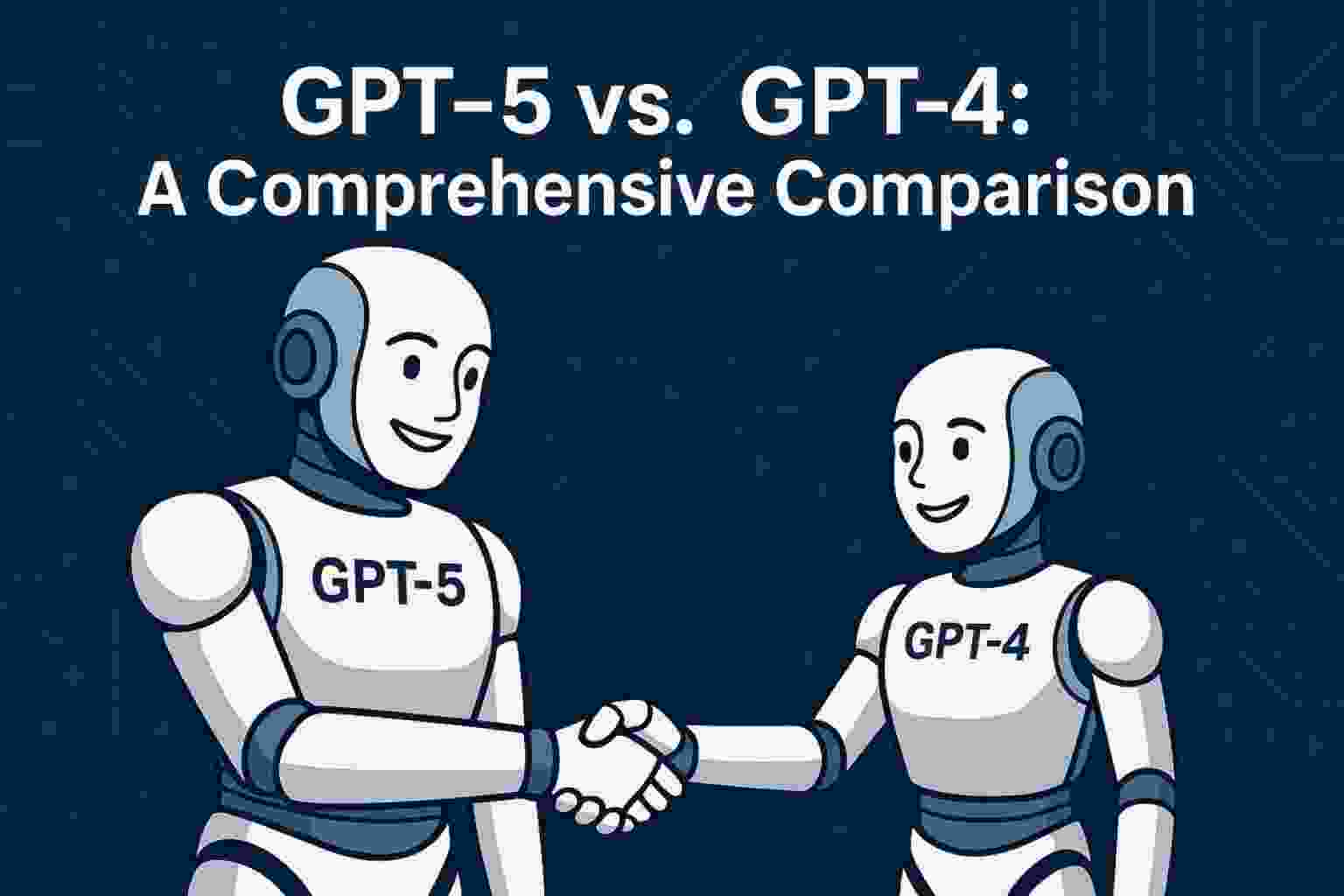
To understand GPT-4.5’s upgrades, it helps to remember that GPT-4o was a milestone release because of its speed, accessibility, and the way it brought text, vision, and audio into one unified model. GPT-4.5 takes that foundation and refines it further, focusing on better performance, smoother user experience, and stronger adaptability for real-world applications.
A Leap in Performance
One of the biggest differences between GPT-4o and GPT-4.5 is the jump in efficiency. GPT-4o was designed to be fast and lightweight, making advanced AI more accessible to the public. GPT-4.5 continues this trend but introduces improved reasoning abilities and reduced error rates. For example, where GPT-4o sometimes struggled with complex problem-solving or maintaining accuracy in long conversations, GPT-4.5 performs with greater stability.
This improvement is especially noticeable in technical fields. Developers and researchers who rely on precise instructions find GPT-4.5 more dependable when generating code, analyzing data, or solving mathematical problems. Its enhanced ability to “stay on track” in lengthy tasks makes it less frustrating and more reliable for projects that demand high-level focus.
More Natural Conversations
GPT-4o already impressed users by handling natural conversations across text, images, and audio. GPT-4.5 builds on this by making interactions even smoother. Users have reported that responses feel more human-like, with fewer robotic transitions or repetitive phrases. The tone of GPT-4.5 adapts more closely to the user’s style, whether professional, casual, or creative.
This natural flow is especially beneficial for industries like customer support, education, and entertainment. A customer asking for help with troubleshooting, for example, will receive responses that not only solve the problem but also sound empathetic and conversational. Similarly, students using GPT-4.5 for learning will feel like they are interacting with a patient tutor rather than a stiff machine.
Stronger Multimodal Capabilities
One of GPT-4o’s defining features was its ability to handle text, vision, and audio inputs seamlessly. GPT-4.5 refines this further by improving the accuracy and speed of multimodal tasks. For instance, GPT-4o could describe an image or respond to spoken queries, but GPT-4.5 takes it up a notch with better contextual understanding.
Imagine uploading a graph, asking for analysis, and then following up with a voice question about trends. GPT-4.5 doesn’t just read the graph–it explains it in more detail, connects it with relevant insights, and answers questions in real time. The integration feels less like a feature bolted on top and more like a natural part of the model’s intelligence.
This makes GPT-4.5 particularly appealing for businesses working with multimedia content, such as marketing agencies, educators designing interactive lessons, or journalists creating data-driven stories.
Better Memory and Context Handling
One of the long-standing challenges with AI models has been handling extended context. GPT-4o made improvements in managing long conversations, but GPT-4.5 extends this capacity further. It remembers details across longer interactions and maintains coherence without losing track of earlier parts of the discussion.
For example, a writer collaborating with GPT-4.5 on a novel can rely on the model to stay consistent with character traits, plot points, and narrative style over dozens of pages. Similarly, businesses using the model for ongoing project planning will appreciate that GPT-4.5 can recall earlier details without needing constant reminders.
This longer memory capacity brings the model closer to acting like a true partner rather than a tool that requires frequent resets.
Improved Reasoning and Problem-Solving
GPT-4o was strong in creativity and conversational intelligence, but sometimes its reasoning felt limited. GPT-4.5 shows notable improvements in logical consistency, step-by-step problem solving, and critical thinking. Whether it’s tackling complex equations, planning workflows, or analyzing detailed scenarios, GPT-4.5 demonstrates more depth.
This is particularly significant in areas like finance, law, medicine, and research. A financial analyst, for instance, can ask GPT-4.5 to review data trends, generate insights, and even simulate possible outcomes with greater accuracy than before. It doesn’t replace human expertise, but it provides a more trustworthy foundation for decision-making.
Personalization at Scale
Another major update with GPT-4.5 is how it adapts to individual user preferences. While GPT-4o could adjust its tone and style, GPT-4.5 takes personalization further by learning from interactions more effectively.
If a user prefers concise, no-fluff answers, GPT-4.5 adapts quickly. If another user enjoys detailed explanations with examples, the model shifts accordingly. Over time, it feels less like using a generic AI and more like working with a system tailored to specific needs.
This feature is invaluable for businesses that want to maintain consistent brand voices in customer interactions, as well as for individuals who use AI regularly for personal tasks, learning, or productivity.
Enhanced Safety and Reliability
OpenAI has been working consistently on making AI safer, and GPT-4.5 reflects this progress. Compared to GPT-4o, it is better at avoiding harmful outputs, respecting boundaries, and clarifying misunderstandings. The model is less likely to generate biased, offensive, or factually incorrect content, although no AI is perfect.
This makes GPT-4.5 more suitable for sensitive environments such as healthcare consultations, educational platforms, or workplace applications where accuracy and professionalism are non-negotiable. The improvements in safety give organizations greater confidence in deploying AI without risking reputational harm.
Accessibility and Speed
One of GPT-4o’s biggest achievements was making high-quality AI faster and more affordable. GPT-4.5 keeps this focus but optimizes processing even further. Users notice shorter wait times, quicker image or audio analysis, and smoother conversations with fewer interruptions.
For real-time applications like live translation, interactive learning, or customer service chats, this speed improvement makes a significant difference. It shifts the experience from “talking to a tool” to “having a conversation without delay.”
Bridging the Gap to Future Models
While GPT-4.5 is not a full leap to GPT-5, it feels like an important stepping stone. GPT-4o showed what was possible with multimodal AI, and GPT-4.5 sharpens that vision by addressing its weak spots. It sets the stage for even larger breakthroughs in reasoning, memory, and real-world adaptability.
For developers, this means they can start experimenting with capabilities that will likely define the next generation of AI. For everyday users, it means they get to enjoy a smoother, more reliable, and more human-like experience without waiting for a major release.
Why GPT-4.5 Stands Out
Ultimately, what makes GPT-4.5 stand out compared to GPT-4o is not just one flashy new feature but the collection of small but meaningful improvements. It’s faster, smarter, safer, and more natural in its interactions. It keeps the strengths of GPT-4o–speed, multimodal capabilities, accessibility–and refines them into something more polished and reliable.
For businesses, this translates to better customer service, smarter automation, and more accurate insights. For developers, it offers a flexible tool that can handle more complex tasks with fewer errors. For casual users, it simply feels easier and more enjoyable to use.
Final Thoughts on GPT-4.5
GPT-4.5 represents a meaningful step forward in AI, refining everything users loved about GPT-4o while adding more speed, intelligence, and reliability. It’s not just a technical upgrade–it’s an experience you can feel in everyday interactions. For developers, businesses, and learners exploring AI, GPT-4.5 provides a smoother, more human-like, and practical way to work with advanced language models. At Uncodemy, we believe understanding such innovations is key for anyone looking to stay ahead in the tech world.
One of the standout improvements in GPT-4.5 is its natural communication style. Conversations feel more fluid, context is remembered better over longer interactions, and responses are less repetitive or robotic. This makes AI more approachable for students using it for learning, creators drafting content, and businesses enhancing customer support—an important focus area in Conversational Artificial Intelligence. By making interactions feel authentic, GPT-4.5 helps users achieve their goals more efficiently and enjoyably.
Reasoning and problem-solving have also taken a leap. Tasks that could challenge GPT-4o–complex code generation, multi-step calculations, or nuanced content creation–are handled with higher accuracy. For developers and researchers, this reliability is invaluable, allowing AI to act as a true assistant rather than just a tool. At Uncodemy, we emphasize such practical applications because they reflect the core of Applied Artificial Intelligence and Problem-Solving, showing how AI can directly enhance real-world workflows.
Personalization is another area where GPT-4.5 shines. The model adapts to user preferences, whether someone prefers concise answers or detailed explanations with examples. Businesses can maintain consistent brand voices, and learners can receive tailored guidance. Coupled with stronger safety measures to prevent harmful outputs, GPT-4.5 ensures a trustworthy and professional experience across all domains.
In essence, GPT-4.5 is more than an iteration of GPT-4o–it is a model that bridges cutting-edge AI capabilities with real-world usability. At Uncodemy, we see it as an essential tool for anyone looking to explore AI in 2026. It combines innovation, adaptability, and accessibility, making it a reliable companion for developers, creators, and learners alike. GPT-4.5 doesn’t just perform tasks–it makes working with AI feel smarter, more natural, and more empowering.