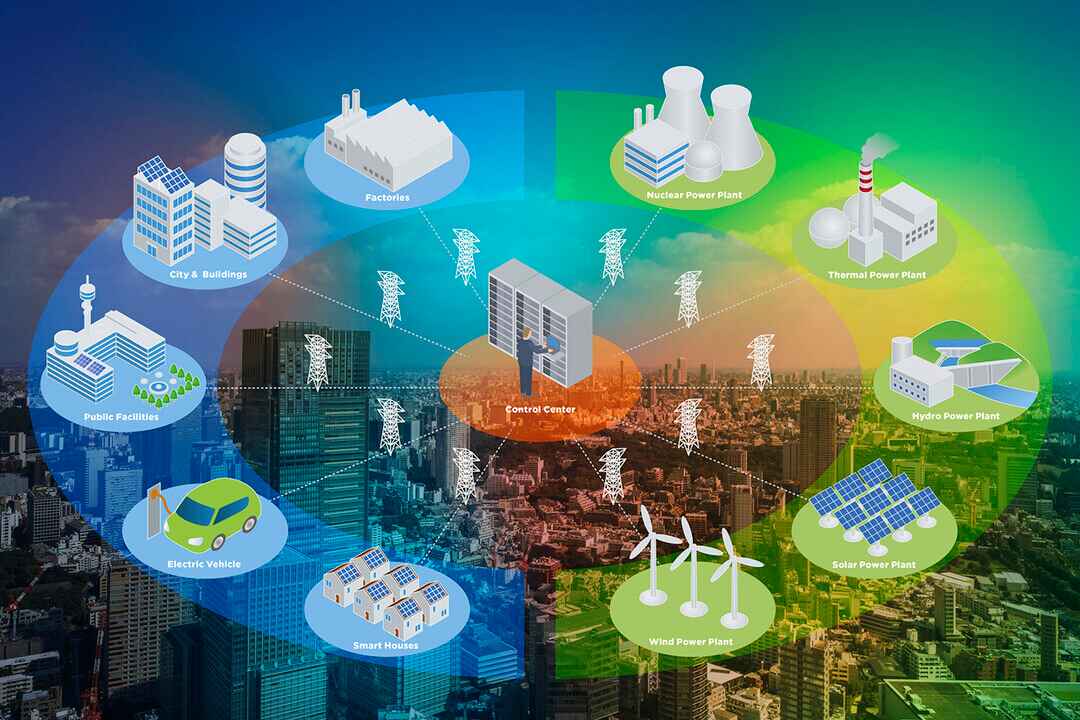
From managing traffic and handling waste to boosting energy efficiency and ensuring public safety, AI and IoT are at the heart of India’s smart cities, merging real-time data with smart decision-making systems. By 2026, we can expect to see remarkable progress in smart city infrastructure that hinges on these two technologies.
In this blog, we’ll dive into how AI and IoT are fueling this transformation, explore real-world applications in India, discuss the challenges ahead, look at future possibilities, and highlight why these skills are so crucial for today’s professionals.
Understanding Smart Cities
Before we get into the nitty-gritty of the technologies, let’s clarify what makes a city “smart.”
A smart city leverages cutting-edge technologies like AI, IoT, cloud computing, and data analytics to:
- Enhance citizens' quality of life
- Boost the efficiency of services (like transport, water, energy, and healthcare)
- Minimize environmental impact
- Foster data-driven governance
In essence, a smart city thrives on connectivity, sustainability, and efficiency, with AI and IoT acting as its digital nervous system.
The Role of AI and IoT in Smart Cities
1. Traffic Management
Every day, urban areas grapple with significant traffic jams. Thanks to AI-driven predictive algorithms and IoT sensors in connected vehicles, we can:
- Analyze traffic patterns in real-time
- Alleviate congestion by adjusting traffic signal timings
- Offer citizens alternative routes via navigation apps
For instance, cities like Bengaluru and Delhi are already leveraging AI-enabled traffic control systems to enhance traffic flow and cut down on waiting times.
2. Waste Management
In many Indian cities, IoT-enabled smart bins are revolutionizing waste management. These innovative bins:
- Send alerts when they're full
- Optimize collection routes using AI analytics
- Assist municipal corporations in saving costs and tackling overflowing garbage issues
Cities such as Indore, which has been recognized as India’s cleanest city multiple times, are embracing AI-IoT integrated waste management systems.
3. Energy Efficiency and Smart Grids
To thrive, smart cities need energy-efficient solutions. By combining IoT sensors with AI-based analytics, we can:
- Monitor energy consumption patterns
- Optimize electricity distribution
- Enable predictive maintenance of energy grids
- Support the integration of renewable energy sources
For example, Bhopal Smart City has implemented smart energy meters and grids to minimize waste and encourage citizen involvement in energy conservation.
4. Water Management
Water scarcity is a pressing issue in India. AI and IoT technologies are aiding cities in better managing their water resources by:
- Detecting leaks in pipelines with IoT sensors
- Monitoring water quality in real-time
- Optimizing water distribution through AI-driven analytics
Cities like Chennai and Pune have been testing these IoT-driven water supply systems to curb wastage.
5. Public Safety and Surveillance
AI-powered surveillance cameras and IoT-enabled sensors are being utilized for:
- Monitoring areas prone to crime
- Detecting unusual activities through computer vision
- Providing predictive policing to help prevent crimes
In Hyderabad, AI-integrated surveillance cameras are assisting law enforcement in maintaining better public safety.
6. Healthcare Infrastructure
In India, smart cities are stepping up their game by weaving AI and IoT into healthcare. Here’s what they’re doing:
- Wearable devices powered by IoT that allow for remote patient monitoring
- AI-driven analytics that help predict disease outbreaks
- Real-time health dashboards designed for government agencies
During the COVID-19 pandemic, several Indian states effectively utilized AI-IoT platforms to track the spread of infections and manage healthcare facilities.
Case Studies of Smart Cities in India
1. Pune Smart City
Pune stands out as one of India’s top smart cities, focusing on:
- Smart traffic management solutions
- Intelligent street lighting systems
- IoT-based waste collection initiatives
- AI-enabled governance frameworks
2. Bhubaneswar Smart City
Known for its thoughtful urban planning, Bhubaneswar has rolled out:
- AI-driven traffic monitoring systems
- IoT-based water supply management
- Citizen engagement applications for better governance
3. Surat Smart City
Surat is embracing AI-IoT technologies for:
- Flood monitoring systems
- Smart energy distribution networks
- Predictive healthcare platforms
These real-life examples showcase how AI and IoT are energizing smart cities in India and reshaping urban infrastructure.
Challenges in Implementing AI and IoT for Smart Cities
Despite the vast potential, there are notable challenges to tackle:
- Data Privacy and Security – With millions of IoT devices collecting sensitive data, cybersecurity is a pressing issue.
- Infrastructure Costs – Implementing AI and IoT solutions demands significant investment in sensors, connectivity, and data centers.
- Integration Issues – Ensuring seamless integration among various vendors and systems is crucial for effective performance.
- Digital Divide – Not everyone has access to smartphones or reliable internet, which can create disparities.
- Skilled Workforce Shortage – There’s a noticeable lack of trained professionals in AI, IoT, and data science to effectively drive these initiatives
The Future of Smart Cities in India with AI and IoT
By 2026 and beyond, India’s smart city initiatives are set to take off with:
- 5G Connectivity paving the way for quicker IoT applications.
- AI-driven governance enhancing policy-making processes.
- Innovative mobility solutions, including autonomous vehicles.
- Blockchain technology ensuring secure data transactions.
- Citizen-focused platforms utilizing AI chatbots for efficient service delivery.
The fusion of AI and IoT is poised to transform Indian cities into more sustainable, intelligent, and livable spaces, perfectly aligning with the vision of “Digital India.”
Why Learning AI and IoT is Essential for Professionals
As India strides towards smart cities, the need for professionals skilled in AI and IoT is about to soar. Careers such as data scientists, IoT architects, AI engineers, and urban data analysts will be in high demand.
If you’re looking to step into this future-proof field, structured learning is key. Consider enrolling in an Artificial Intelligence Course in Noida (uncodemy.com) to gain practical experience in AI, IoT, and data-driven solutions that tackle real-world challenges.
This course prepares learners with the essential skills to play a vital role in the smart city revolution in India.
Conclusion
Smart cities are no longer just a vision for the future; they are becoming a tangible reality in India. With the dynamic duo of AI and IoT, cities are evolving to be more sustainable, citizen-friendly, and efficient. From improved traffic management and energy conservation to better healthcare and governance, AI and IoT are driving the smart city movement in India and shaping the urban landscape of the country.
For professionals, now is the perfect time to enhance your skills in AI and IoT technologies to stay ahead in this digital age.
FAQ Section
Q1. What role does AI play in smart cities?
AI is crucial for analyzing real-time data, forecasting future needs, automating services, and enhancing decision-making in areas such as traffic management, healthcare, and energy efficiency.
Q2. How does IoT contribute to the development of smart cities?
IoT links devices, sensors, and systems to gather and share data, allowing smart cities to effectively monitor and manage their resources.
Q3. Which Indian cities are at the forefront of smart city initiatives?
Cities like Pune, Bhubaneswar, Surat, Bhopal, and Hyderabad are leading the way in India with their innovative AI-IoT projects.
Q4. What obstacles do smart cities encounter in India?
The primary challenges include high infrastructure costs, concerns over data privacy, a shortage of skilled professionals, and the digital divide affecting citizens.
Q5. How can I pursue a career in AI and IoT for smart cities?
You can kickstart your journey by diving into AI and IoT through structured programs like the Artificial Intelligence Course in Noida (uncodemy.com), which equips you for real-world applications in urban development.