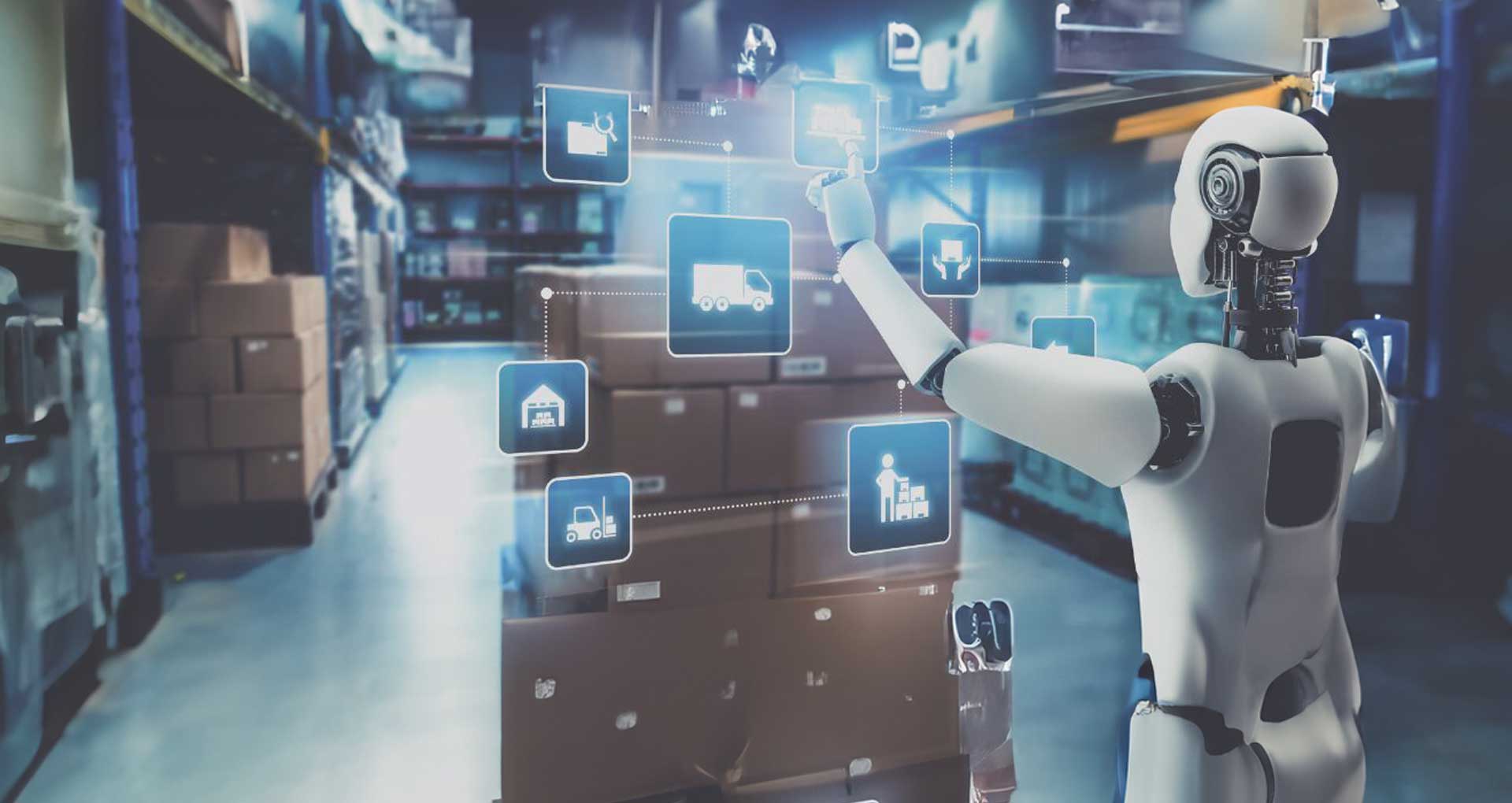
Using AI in supply chain optimization goes beyond mere automation; it’s about making smart decisions, conducting predictive analyses, and boosting overall efficiency. By incorporating AI-driven solutions into their supply chain processes, organizations can achieve remarkable productivity levels, cut costs, and improve customer satisfaction.
In this article, we’ll dive into how AI is transforming supply chain optimization, the benefits it brings, its various applications, the challenges it faces, and the exciting future it promises.
What Is Supply Chain Optimization?
Supply chain optimization is all about enhancing the efficiency and effectiveness of supply chain operations. This means reducing costs, speeding up delivery times, improving product quality, and ensuring a smooth flow of goods from manufacturers to customers.
The ultimate aim is to create maximum value for both the business and its customers by balancing supply and demand, fine-tuning inventory levels, and minimizing waste.
When fueled by AI, supply chain optimization transcends traditional efficiency improvements, moving into the realm of predictive and prescriptive intelligence—enabling businesses not just to respond to changes but to foresee them.
Why Is AI Important in Supply Chain Optimization?
Traditional supply chain management often faces challenges like manual processes, slow data analysis, and a lack of real-time visibility. AI steps in to change the game by offering:
- Predictive Analytics – Anticipate demand, spot potential disruptions, and get ready in advance.
- Automation – Cut down on manual tasks and boost efficiency.
- Data-Driven Decision-Making – Make smarter choices based on extensive data analysis.
- Personalization – Provide tailored solutions for different customer groups.
AI gives businesses the power to turn their supply chains from mere cost centers into real competitive advantages.
Key Applications of AI in Supply Chain Optimization
Let’s dive into how AI is being used in supply chain operations:
1. Demand Forecasting
Accurately predicting demand is one of the most vital parts of supply chain optimization. AI leverages historical sales data, market trends, and even weather patterns to forecast demand more accurately than traditional methods. This helps:
- Avoid overstocking or running out of stock.
- Sync production schedules with market demand.
- Cut down on inventory holding costs.
2. Inventory Management
AI algorithms can monitor inventory levels in real-time, predict when stock will deplete, and even recommend the best reorder points. The benefits include:
- Enhanced cash flow by minimizing excess stock.
- Better use of warehouse space.
- Quicker responses to changes in demand.
3. Route Optimization
Logistics can be a significant cost factor in the supply chain. AI-driven route optimization tools analyze traffic patterns, fuel costs, and delivery windows to find the most efficient routes. This leads to:
- Lower fuel consumption.
- Quicker deliveries.
- Reduced transportation costs.
4. Supplier Selection and Risk Management
AI has the ability to evaluate supplier performance, pricing, and reliability, helping to pinpoint the best suppliers for your needs. It can also identify risks such as delays, quality concerns, or geopolitical issues. This results in:
- Stronger supplier relationships.
- Lower procurement risks.
- Enhanced resilience in the supply chain.
5. Warehouse Automation
With AI-driven robots and automated guided vehicles (AGVs), warehouse operations can be streamlined—from picking and packing to loading shipments. The benefits include:
- Decreased labor costs.
- Quicker order processing.
- Reduced chances of human error.
6. Predictive Maintenance
AI can forecast when machinery or transport vehicles require maintenance, helping to avoid unexpected breakdowns. This guarantees:
- A steady production flow.
- Reduced maintenance expenses.
- An extended lifespan for equipment.
7. Real-Time Visibility
AI-powered dashboards offer a comprehensive view of the entire supply chain, allowing managers to keep an eye on performance, track shipments, and spot potential bottlenecks.
How AI Is Transforming Supply Chain Optimization
Predictive Maintenance for Equipment
AI keeps a close eye on equipment performance data, predicting when machinery might fail. This proactive approach allows for timely repairs, minimizing downtime in both manufacturing and logistics.
Smart Inventory Optimization
AI dives into real-time demand, supplier lead times, and seasonal trends to keep stock levels just right—helping to avoid both overstock and stockouts.
Dynamic Route Optimization
Machine learning models are constantly assessing traffic, weather, and delivery constraints to find the most efficient routes for transportation.
Supplier Risk Management
AI tools sift through news, financial data, and performance history to identify potential risks with suppliers, enabling businesses to proactively manage disruptions.
Automated Quality Control
Computer vision systems are on the lookout, inspecting products in real-time during manufacturing to catch defects early, which cuts down on waste and boosts quality.
Demand Sensing and Forecasting
AI analyzes point-of-sale data, social media trends, and market signals to predict short-term demand with greater accuracy than traditional methods.
Warehouse Automation
AI-driven robotics enhance warehouse operations—from automated picking and sorting to real-time inventory tracking.
Sustainability Tracking
AI plays a crucial role in monitoring carbon footprints throughout the supply chain by analyzing energy consumption, transportation emissions, and waste data.
Cost Optimization in Procurement
AI assesses market price changes and supplier performance to recommend the most cost-effective purchasing strategies.
End-to-End Supply Chain Visibility
AI brings together data from suppliers, manufacturers, logistics providers, and retailers, offering a comprehensive view of the entire supply chain that facilitates quicker decision-making.
Advantages of AI in Supply Chain Optimization
- Greater Accuracy – AI-generated predictions tend to be more precise than those made manually.
- Cost Savings – Streamlined routes, less waste, and better resource use lead to lower costs.
- Increased Agility – Respond more swiftly to market shifts and disruptions.
- Enhanced Customer Satisfaction – Quicker deliveries and accurate orders boost brand loyalty.
- Sustainability – AI contributes to reducing fuel consumption, waste, and carbon emissions.
Challenges in Using AI for Supply Chain Optimization
While AI brings many advantages, there are hurdles to overcome:
- High Initial Costs – Implementing AI solutions requires significant investment in technology and training.
- Data Quality Issues – Inaccurate data can result in faulty predictions.
- Change Management – Employees might be hesitant to embrace new AI-driven processes.
- Cybersecurity Risks – Greater digital integration can increase vulnerability to cyber threats.
Real-World Examples of AI in Supply Chain Optimization
- Amazon – They harness AI to keep track of inventory, streamline delivery routes, and suggest products to customers.
- DHL – They utilize AI for predictive maintenance and to provide real-time tracking updates.
- Unilever – They rely on AI-driven demand forecasting to ensure production aligns with what consumers actually want.
Future of AI in Supply Chain Optimization
The outlook for AI in supply chains is bright, with exciting developments on the horizon, such as:
- Generative AI for Process Design – This will automate decision-making in procurement and logistics.
- AI + IoT Integration – Merging AI with Internet of Things devices for smarter tracking solutions.
- Sustainable Supply Chains – Leveraging AI to reduce environmental impact.
- Blockchain Integration – Boosting transparency and trust within supply chains.
Conclusion
AI isn’t just a concept for the future anymore—it’s actively reshaping supply chain operations around the globe. By tapping into predictive analytics, automation, and real-time insights, businesses can enhance efficiency, cut costs, and improve customer satisfaction.
For those looking to dive into the world of AI in supply chains, acquiring the right skills is essential. That’s why signing up for an Artificial Intelligence Course in Noida by Uncodemy could be a game-changer, providing you with the knowledge to spearhead supply chain innovation.
FAQs on AI in Supply Chain Optimization
Q1. How is AI different from traditional supply chain management?
AI stands out by providing predictive and prescriptive analytics, whereas traditional methods tend to be more reactive in nature.
Q2. Can small businesses use AI for supply chain optimization?
Absolutely! There are plenty of budget-friendly AI tools out there that cater specifically to small and medium-sized businesses.
Q3. How does AI improve demand forecasting?
AI enhances demand forecasting by examining historical sales data, market trends, and various external factors to deliver more precise predictions.
Q4. Is AI in supply chains secure?
AI can be secure, especially when paired with robust cybersecurity measures and effective data governance practices.
Q5. What skills are needed to work with AI in supply chain optimization?
To thrive in this field, you'll need skills in data analysis, understanding AI algorithms, and a solid grasp of supply chain management.