This guide will walk you through the roadmap to build a successful career in cybersecurity, even if you don’t have a formal CS background. We will also highlight relevant courses, including those offered by Uncodemy, to help you get started.
Understanding the Cybersecurity Landscape
Before diving into skills and certifications, it’s important to understand what cybersecurity is all about. Cybersecurity involves protecting computer systems, networks, and data from unauthorized access, theft, or damage. It encompasses a wide range of areas, including network security, application security, information security, and even physical security in some cases.
Key Areas in Cybersecurity:
- Network Security – Ensuring that communication networks are protected from intrusions and cyberattacks.
- Information Security – Protecting sensitive data from unauthorized access and ensuring confidentiality, integrity, and availability.
- Application Security – Making sure software applications are safe from vulnerabilities and attacks.
- Risk Management – Identifying and mitigating potential security threats to an organization.
- Compliance and Legal Awareness – Understanding laws and regulations such as GDPR, HIPAA, and others that govern data protection.
Even without a CS degree, gaining familiarity with these areas can give you a solid foundation. Many cybersecurity professionals start with self-learning, online courses, and hands-on practice before moving into professional roles.
Step 1: Build a Strong Foundation in IT and Networking
While a CS degree is not mandatory, having a strong understanding of IT basics is crucial. Start by learning about operating systems, computer hardware, networking concepts, and basic programming. Key topics include:
- Operating Systems: Windows, Linux, and macOS. Linux is especially important as it is widely used in cybersecurity.
- Networking: Learn about IP addresses, protocols like TCP/IP, DNS, HTTP/HTTPS, VPNs, firewalls, and routers.
- Basic Programming: Familiarity with Python, Bash, or PowerShell can help automate tasks and analyze data.
- Cloud Platforms: Knowledge of AWS, Azure, or Google Cloud security fundamentals is a bonus.
Uncodemy Recommendation: The Cyber Security Foundation Course on Uncodemy is ideal for beginners. It covers fundamental IT and networking concepts in a structured way, making it easy to grasp even without a CS background.
Step 2: Gain Relevant Certifications
Certifications are one of the most effective ways to prove your skills and credibility in cybersecurity. They help you stand out to employers and give you structured knowledge. Here’s a roadmap for certifications:
- Entry-Level Certifications:
- CompTIA Security+: Focuses on foundational security knowledge.
- Cisco Certified CyberOps Associate: Great for understanding security operations.
- Intermediate Certifications:
- Certified Ethical Hacker (CEH): Teaches ethical hacking techniques.
- Certified Information Security Manager (CISM): Focuses on managing enterprise security programs.
- Advanced Certifications:
- Certified Information Systems Security Professional (CISSP): A prestigious certification for experienced professionals.
- Offensive Security Certified Professional (OSCP): Hands-on certification focusing on penetration testing.
Certifications don’t require a CS degree, but they do require dedication and study. Combining them with practical experience will make you highly employable.
Step 3: Gain Hands-On Experience
Cybersecurity is a field where practical experience often matters more than formal education. Here are some ways to build real-world skills:
- Set Up a Home Lab: Create a virtual environment with multiple machines to practice security tools, simulate attacks, and test defensive strategies.
- Participate in Capture the Flag (CTF) Challenges: Platforms like TryHackMe and Hack The Box offer simulated environments for ethical hacking practice.
- Open Source Contribution: Contributing to cybersecurity tools or scripts on GitHub demonstrates your skills and builds a portfolio.
- Internships and Volunteer Work: Look for internships in IT or cybersecurity teams. Even volunteering to secure small websites or helping with cybersecurity awareness can give practical experience.
Step 4: Learn Ethical Hacking
Ethical hacking, or penetration testing, is a key skill in cybersecurity. Learning to think like a hacker helps you identify vulnerabilities before attackers do. Start with:
- Understanding common vulnerabilities like SQL injection, cross-site scripting (XSS), and phishing.
- Learning penetration testing frameworks and tools like Metasploit, Nmap, Wireshark, and Burp Suite.
- Practicing legally in controlled environments like CTF challenges or your own lab.
Uncodemy Recommendation: The Ethical HackingandCyber Security Course in Delhi on Uncodemy is designed for learners without prior CS knowledge. It teaches ethical hacking methods, tools, and strategies with hands-on exercises.
Step 5: Networking and Professional Development
Networking is critical in cybersecurity. Many jobs are found through professional connections rather than online applications. Here’s how to build your network:
- Join cybersecurity communities on Reddit, Discord, and LinkedIn.
- Attend local cybersecurity meetups, workshops, or conferences like DEF CON, Black Hat, or OWASP events.
- Find a mentor who can guide you and provide advice on career progression.
- Participate in forums and discussion boards to stay updated on trends and challenges in the industry.
Step 6: Build a Personal Portfolio
A portfolio demonstrates your skills to potential employers, especially when you lack a CS degree. Include:
- Projects you’ve completed in your lab or during online courses.
- Capture the Flag achievements.
- Contributions to open-source security projects.
- Blogs or tutorials you write on cybersecurity topics.
Even small projects like securing a personal website, analyzing malware samples, or setting up a secure network can impress recruiters.
Step 7: Apply for Entry-Level Positions
Once you have the foundational knowledge, certifications, and practical experience, start applying for jobs. Entry-level positions include:
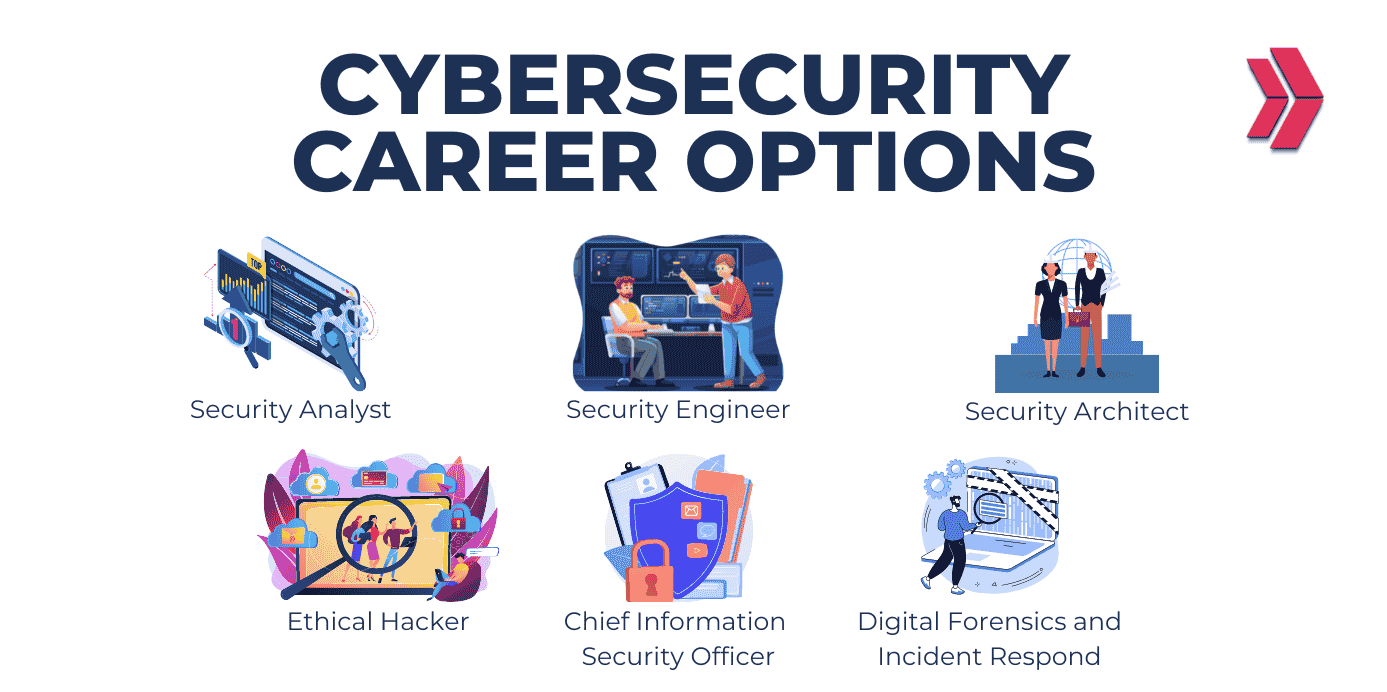
- Security Analyst: Monitor security systems, detect threats, and respond to incidents.
- SOC (Security Operations Center) Analyst: Work in teams monitoring network and security events.
- IT Support with Security Focus: Provide technical support while implementing security measures.
- Junior Penetration Tester: Conduct controlled penetration testing under supervision.
Remember, many cybersecurity companies value skills over degrees. With the right certifications and hands-on experience, you can land these roles without a CS background.
Step 8: Keep Learning and Specializing
Cybersecurity is a constantly evolving field. To grow in your career:
- Stay updated on the latest threats, tools, and trends.
- Specialize in areas like cloud security, network defense, malware analysis, or penetration testing.
- Pursue advanced certifications and attend workshops to deepen expertise.
Continuous learning is not optional in cybersecurity; it’s essential.
Recommended Uncodemy Courses
Uncodemy offers structured courses suitable for non-CS students:
- Cyber Security Foundation – Covers the basics of networks, security principles, and risk management.
- Ethical Hacking and Cyber Security – Focuses on penetration testing, ethical hacking, and practical exercises.
- Network Security Essentials – A course to strengthen your networking knowledge and secure systems.
These courses provide guided learning paths and practical exercises, helping learners build confidence and competence in cybersecurity.
Conclusion
A computer science degree is no longer the only gateway to a successful cybersecurity career. With determination, self-learning, certifications, practical experience, and networking, anyone can break into the field. Platforms like Uncodemy offer beginner-friendly courses to guide you from fundamentals to hands-on skills. By combining theoretical knowledge with practical exercises and continuously updating your skills, you can build a rewarding cybersecurity career, even without a CS background.
The key is consistency, curiosity, and a proactive mindset. The cybersecurity field is vast, and opportunities are abundant. Start small, keep learning, and over time, you can become a skilled cybersecurity professional, ready to tackle the challenges of an increasingly digital world.