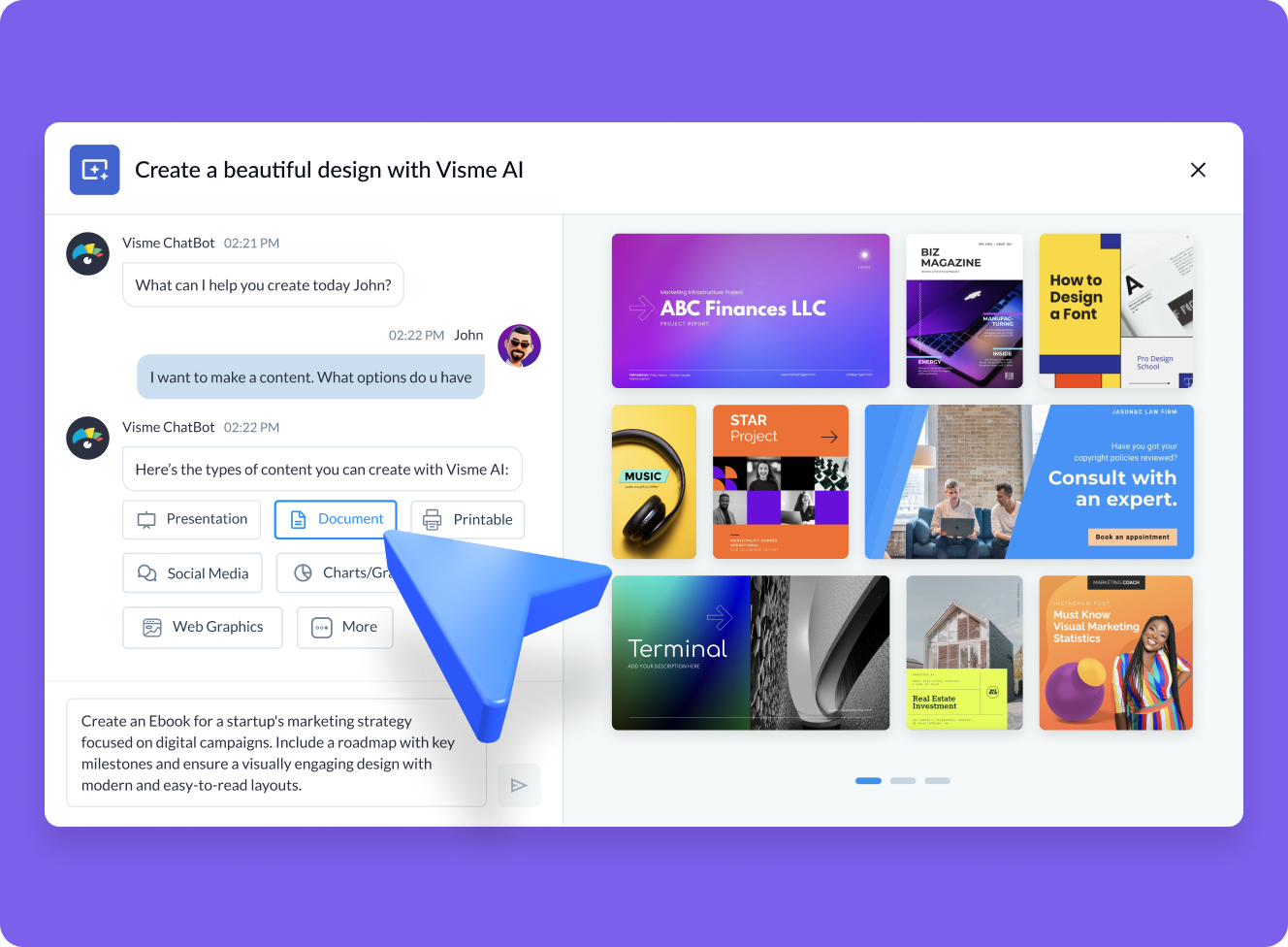
This is where AI workflows come into the picture. Today, with the help of artificial intelligence, you can automate most of the tedious parts of eBook creation—like generating outlines, drafting chapters, editing, designing covers, and even formatting for PDF or EPUB. Imagine turning an idea into a polished eBook in hours instead of weeks!
In this blog, we’ll walk you through how to build an AI-powered eBook generator step by step. We’ll explore the technology stack, the workflows, tools you need, and best practices for creating professional-quality eBooks automatically. And if you’re interested in learning the skills to build such AI-powered apps, we’ll also highlight Uncodemy’s courses that can help you.
Why Build an AI eBook Generator?
Before diving into the technical workflow, let’s understand the why:
1. Time-saving – A process that usually takes weeks (writing, editing, designing) can be completed in a fraction of the time.
2. Cost-effective – No need to hire separate editors, designers, or publishers. AI can handle multiple roles.
3. Consistency – With workflows, every eBook follows the same structure, tone, and quality.
4. Scalability – You can create multiple eBooks across topics, industries, and formats with ease.
5. Accessibility – Small businesses, educators, and individuals can now publish high-quality eBooks without technical or creative barriers.
Whether you’re a content creator, entrepreneur, or student, learning how to build such a system is a valuable skill.
Step 1: Define the Workflow
An AI workflow is simply a series of automated steps that take input (like a topic) and transform it into a finished product (the eBook). For an eBook generator, the workflow looks like this:
1. User Input – Topic, target audience, preferred tone, and length.
2. Outline Generation – AI creates a structured table of contents and chapter breakdown.
3. Chapter Drafting – Each chapter is generated in detail using AI.
4. Editing & Refinement – Style, grammar, and readability checks are applied.
5. Image Generation – Covers and illustrations created using AI tools.
6. Formatting – Content is compiled into eBook-ready formats (PDF, EPUB, MOBI).
7. Export & Delivery – Final eBook is ready for download or publishing.
This workflow keeps the process modular. If you want to improve one step (say, cover design), you can do so without affecting the rest.
Step 2: Choose the Technology Stack
To build your eBook generator, you’ll need a combination of AI models, backend services, and rendering tools.
- LLMs (Large Language Models) – For generating outlines, chapters, and edits. Examples: GPT, LLaMA, or open-source models.
-
- Image Generators – For eBook covers and illustrations. Examples: DALL·E, Stable Diffusion, MidJourney.
- Backend Frameworks – Node.js, Python (FastAPI, Flask, Django), or full-stack frameworks like MERN.
- Formatting Tools – Pandoc (Markdown to EPUB/PDF), WeasyPrint, wkhtmltopdf.
- Storage & Delivery – Cloud storage (AWS S3, Firebase), or CDN.
Learning these technologies requires skills in AI, programming, web development, and DevOps. This is exactly where Uncodemy offers valuable learning opportunities through its industry-recognized courses:
- AI & Machine Learning Training – Learn how LLMs and image models work under the hood.
- Python Programming Course – Build backend workflows, integrate APIs, and handle data.
- Full Stack Development (MERN/MEAN) – Design and deploy scalable web apps with user interfaces for your generator.
- Data Science Course – Work with structured data, NLP, and analytics for better AI-powered content.
- DevOps & Cloud Computing – Deploy your generator on AWS, Dockerize it, and make it scalable.
Step 3: Automating Outline and Chapter Generation
Once the user provides a topic and audience, the first task is to create an outline. AI models can be prompted to generate structured outlines with chapters, subtopics, and estimated word counts.
Example prompt:
Generate a 7-chapter outline for an eBook on "Mastering Time Management."
Each chapter should have 3–4 subtopics, with clear actionable insights.
Tone: professional yet friendly.
Audience: working professionals aged 25–40.
Once you have the outline, each chapter can be expanded automatically. Here, prompt engineering becomes crucial—ensuring the AI generates content with the right depth, examples, and tone.
This is where Uncodemy’s AI & Prompt Engineering modules can help you master the art of controlling AI responses effectively.
Step 4: Editing and Refinement
Raw AI outputs aren’t always publish-ready. They need a second AI pass or a lightweight editing model to:
- Fix grammar and spelling.
- Improve flow and readability.
- Remove factual errors.
- Suggest better titles and subheadings.
This editing workflow ensures the final product is professional. Students at Uncodemy’s Machine Learning course often practice building similar NLP pipelines to refine outputs.
Step 5: AI-Powered Cover Design
Every eBook needs a compelling cover. Instead of hiring a designer, AI image models can generate covers with the right prompts.
Example:
Create a modern eBook cover for "The Remote Work Survival Guide."
Style: Minimalist, corporate colors, clear bold typography.
Include small icons representing laptops and teamwork.
AI tools can produce multiple variants. Users can pick their favorite, or the workflow can automatically select the one with the best contrast and readability.
Here, knowing image generation and design prompt techniques (covered in Uncodemy’s AI and Deep Learning courses) becomes valuable.
Step 6: Formatting and Exporting the eBook
After text and images are ready, you need to assemble them into professional formats. Tools like Pandoc can convert Markdown or HTML into:
- PDF – Print-ready versions.
- EPUB – For Kindle, Apple Books, Google Books.
- MOBI – Legacy Kindle support.
Adding metadata like author name, ISBN, copyright, and table of contents ensures the eBook looks professional.
Uncodemy’s Full Stack and DevOps training teach exactly how to integrate these tools into automated workflows.
Step 7: Deployment & Scaling
An eBook generator isn’t complete without a frontend app where users can input their topic, track progress, and download results. A typical deployment setup includes:
- Frontend – React, Angular, or Vue.js for user interaction.
- Backend – Python (FastAPI/Django) or Node.js (Express) for API orchestration.
- Job Queue – To handle large generation tasks asynchronously.
- Cloud Deployment – Host backend and storage on AWS, Azure, or GCP.
If you’re new to cloud and deployment, Uncodemy’s Cloud Computing and DevOps courses are a perfect companion.
Benefits of Building Your Own Generator
1. Monetization – Sell eBooks or offer the generator as a SaaS platform.
2. Education – Teachers can auto-generate study guides and course material.
3. Marketing – Businesses can generate lead magnets like “Ultimate Guides” instantly.
4. Creative Freedom – Writers can focus on refining ideas instead of formatting.
5. Portfolio Project – Students and professionals can showcase this project to land jobs in AI, development, or product management.
Challenges & How to Overcome Them
While exciting, building an AI eBook generator comes with challenges:
- Hallucination – AI may generate incorrect facts. Solve this with fact-checking workflows.
- Cost – Large-scale generation may be expensive. Optimize by batching requests and using smaller models where possible.
- Consistency – AI may change tone across chapters. Use strict prompt templates and style guides.
- Copyright – Ensure content and images generated don’t violate copyright laws.
These challenges are also discussed deeply in Uncodemy’s AI/ML and Data Science courses, where students learn how to mitigate such problems in real-world projects.
Future of AI in eBook Publishing
AI is not just helping create eBooks faster—it’s redefining publishing. We’re already seeing:
- Personalized eBooks – Custom books tailored to individual readers.
- Interactive eBooks – With quizzes, animations, and voice narration generated by AI.
- Real-time updates – Books that automatically update as new information becomes available.
Learning to build such systems now will put you ahead in one of the fastest-growing industries.
Final Thoughts
Building an AI-powered eBook generator may sound futuristic, but with today’s tools, it’s achievable by anyone with the right skills. From generating outlines to designing covers, AI workflows can automate the end-to-end process of eBook creation.
If you’re a student, developer, or entrepreneur who wants to master these skills, Uncodemy’s industry-leading courses are the perfect starting point. Whether it’s AI & Machine Learning, Python Programming, Full Stack Development, Data Science, or DevOps & Cloud, Uncodemy provides hands-on, project-based learning that directly maps to building applications like this.
The publishing world is evolving rapidly. With AI, you can be at the forefront of this transformation—creating faster, smarter, and better eBooks than ever before.