This blog explores the steps to build a successful career in robotics and AI development, the essential skills required, the types of roles available, and how structured training can help aspirants secure lucrative opportunities.
Understanding Robotics and AI
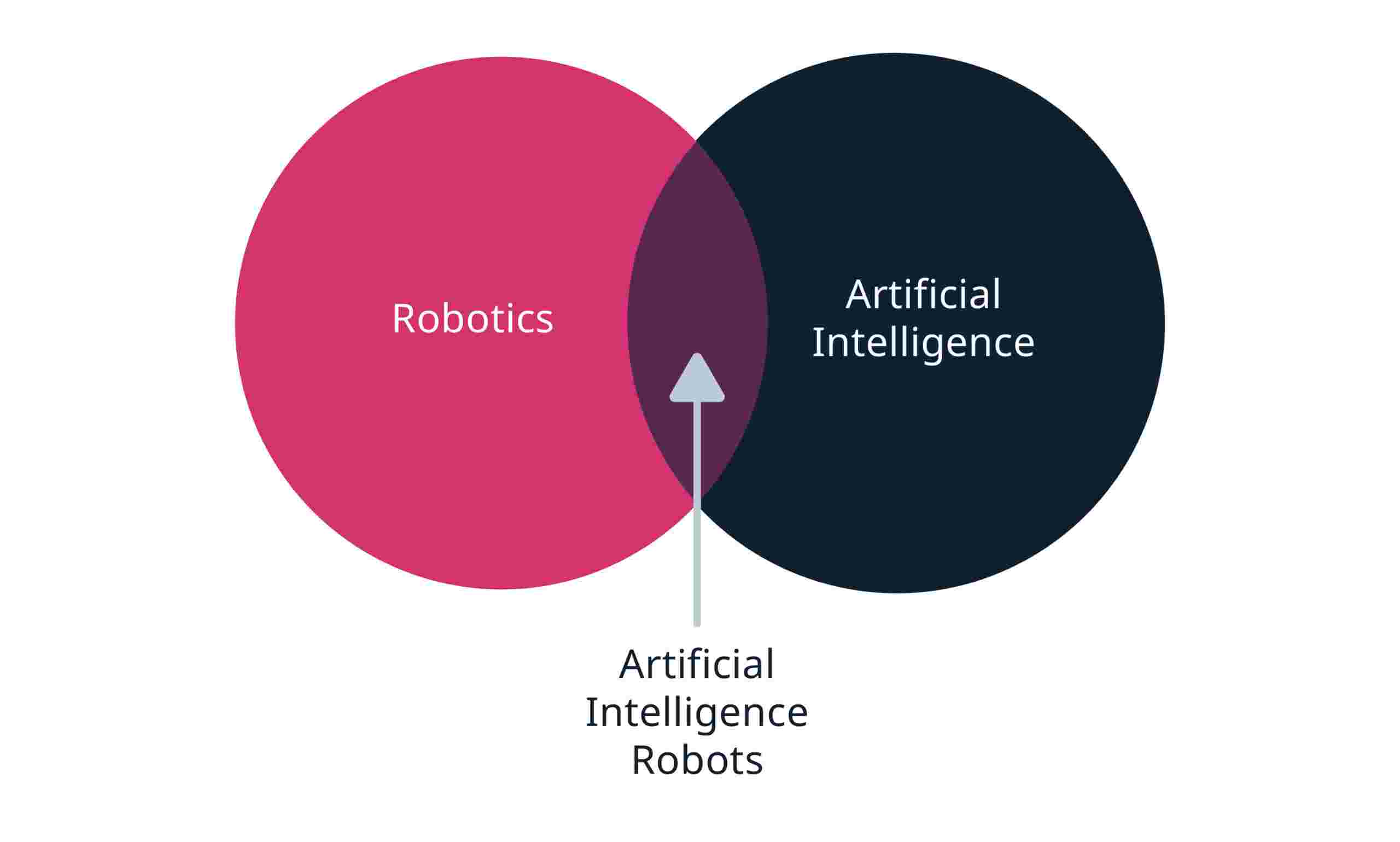
Robotics involves designing machines capable of performing tasks automatically or semi-autonomously. AI adds intelligence to these machines, allowing them to perceive environments, process data, make decisions, and improve over time. Careers in this domain are interdisciplinary, combining computer science, mechanical engineering, electronics, and data analysis.
Professionals in robotics and AI might work on:
- Autonomous vehicles and drones: Self-driving cars, aerial delivery drones, and autonomous robots that navigate dynamic environments.
- Industrial automation: Robots for manufacturing, assembly lines, and quality control in factories.
- Healthcare robotics: Surgical robots, rehabilitation devices, and AI-driven patient monitoring systems.
- Service robots: Customer assistance robots, cleaning robots, and AI-powered hospitality applications.
- Research and development: Developing new algorithms for AI, reinforcement learning, computer vision, and robotics simulations.
The possibilities are virtually limitless, and these industries increasingly rely on skilled professionals to implement AI-driven solutions efficiently.
Essential Skills for a Career in Robotics and AI
To succeed in robotics and AI development, professionals need a combination of technical, analytical, and problem-solving skills. Some of the most important skills include:
1. Programming languages: Python is crucial for AI and robotics programming. C++ is widely used for robotics control systems, and ROS (Robot Operating System) is essential for robotic software integration.
2. Machine learning and deep learning: Understanding algorithms that allow robots and AI systems to learn from data, improve decision-making, and optimize performance.
3. Sensor integration and data acquisition: Knowledge of sensors such as LiDAR, cameras, and ultrasonic devices, and the ability to interpret data for decision-making.
4. Control systems and embedded systems: Designing systems that regulate robot behavior, including motor control, feedback loops, and microcontroller programming.
5. Simulation and AI modeling: Familiarity with simulation environments such as Gazebo, V-REP, or MATLAB/Simulink for testing AI algorithms in controlled scenarios.
6. Cloud and edge computing: Deploying AI applications on cloud platforms or edge devices for real-time decision-making and scalability.
Career Paths in Robotics and AI
Several rewarding career paths exist for professionals with robotics and AI expertise. Depending on your specialization and interests, you may consider roles such as:
- Robotics Engineer: Designs and maintains robotic systems for industrial, healthcare, or research applications.
- AI Developer for Robotics: Implements AI models that enable robots to perceive, learn, and adapt to their environments.
- Machine Learning Engineer: Focuses on creating predictive models and algorithms to power intelligent systems.
- Embedded Systems Developer: Designs hardware and software interfaces that control robotic operations.
- Autonomous Vehicle Engineer: Develops navigation and perception systems for self-driving vehicles.
- Research Scientist: Explores new AI and robotics technologies, improving efficiency and innovation.
Salaries in these roles vary depending on experience, location, and specialization, but they tend to be higher than average IT jobs due to the demand for advanced technical skills.
Steps to Build a Career
Building a career in robotics and AI requires a structured approach. Here’s a roadmap:
Step 1: Acquire Strong Fundamentals
- Learn programming languages (Python, C++, ROS)
- Study mathematics and statistics relevant to AI and robotics
- Understand basic electronics and mechanical systems
Step 2: Specialized Learning
- Take advanced courses in robotics, AI, computer vision, and machine learning
- Focus on reinforcement learning, neural networks, and algorithm optimization
Step 3: Practical Experience
- Work on personal or university projects
- Participate in robotics competitions, hackathons, or open-source contributions
- Intern with companies offering AI and robotics solutions
Step 4: Structured Training Programs
Structured training programs help bridge the gap between theory and industry requirements. Institutes like Uncodemy provide:
- Hands-on projects: Real-world robotics and AI challenges
- Mentorship: Guidance from industry experts
- Career assistance: Resume building, mock interviews, and placement support
Step 5: Stay Updated with Emerging Technologies
AI and robotics evolve rapidly. Professionals should follow:
- Latest research papers and publications
- Online courses for advanced AI techniques
- Industry news, product launches, and new tools
Continuous learning ensures competitiveness in the job market.
Benefits of Training at Institutes like Uncodemy
Enrolling in a structured program at Uncodemy provides several advantages:
- Industry-relevant curriculum: Focus on skills required by employers
- Hands-on learning: Work on real-time AI and robotics projects
- Placement support: Opportunities for internships and full-time roles in tech companies
- Flexible learning modes: Online, offline, and hybrid options to suit different schedules
- Expert mentorship: Trainers with extensive industry experience
These factors significantly increase the chances of securing a high-paying, challenging role in robotics and AI.
Conclusion
A career in robotics and AI is exciting, innovative, and in high demand. By acquiring technical skills, gaining practical experience, and enrolling in structured programs like Uncodemy, aspirants can position themselves for success. Whether you aim to work on autonomous vehicles, healthcare robotics, industrial automation, or AI research, the combination of knowledge, hands-on experience, and career support opens doors to rewarding opportunities.
For anyone looking to start their journey in robotics and AI, taking a structured course, building a strong portfolio, and staying updated with emerging technologies is key to long-term success.
👉 Learn More About Robotics and Artificial Intelligence Training at Uncodemy