Understanding JAMstack: A Modern Approach to Web Development
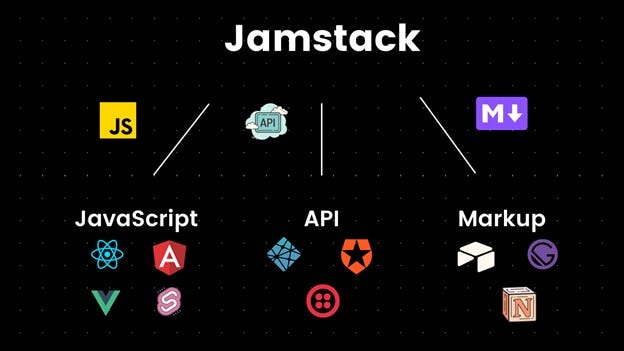
JAMstack represents a paradigm shift in web development architecture, standing for JavaScript, APIs, and Markup. This innovative approach decouples the frontend presentation layer from backend business logic, creating a more flexible and efficient development environment. Unlike traditional monolithic architectures where everything runs on a single server, JAMstack distributes functionality across various specialized services and technologies.
The architecture focuses on pre-building pages and serving them from Content Delivery Networks (CDNs), which dramatically improves website performance and user experience. This architectural approach improves flexibility, scalability, performance, and maintainability, making it an attractive choice for modern development teams.
Students entering the web development field often struggle with understanding complex server configurations and database management. JAMstack simplifies this learning curve by separating concerns and allowing developers to focus on creating exceptional user experiences without getting bogged down in server-side complexities.
The Core Components of JAMstack Architecture
JavaScript: The Dynamic Engine
JavaScript serves as the dynamic functionality layer in JAMstack applications. Modern frameworks like React, Vue.js, Angular, and Svelte handle client-side interactions, data manipulation, and user interface updates. These frameworks enable developers to create rich, interactive experiences that rival traditional server-rendered applications.
The beauty of using JavaScript in JAMstack lies in its versatility. Developers can implement everything from simple form validations to complex state management systems. Popular libraries and frameworks provide extensive ecosystems of pre-built components, reducing development time and improving code quality.
For students learning web development, JavaScript in JAMstack offers an excellent opportunity to understand modern programming concepts without the complexity of managing server infrastructure. The separation of concerns allows learners to focus on mastering frontend technologies before diving into backend complexities.
APIs: The Data Bridge
Application Programming Interfaces (APIs) handle all server-side operations in JAMstack architecture. These can include authentication services, payment processing, content management, email services, and database operations. By utilizing third-party APIs or creating custom microservices, developers can access powerful functionality without building everything from scratch.
The API-first approach promotes reusability and maintainability. Teams can switch between different service providers without affecting the frontend application, creating a more resilient and adaptable system. Popular API services include Stripe for payments, Auth0 for authentication, Contentful for content management, and Netlify Functions for serverless computing.
Students benefit enormously from learning API integration as it teaches fundamental concepts about data flow, asynchronous programming, and service-oriented architecture. These skills are invaluable in today's interconnected digital ecosystem.
Markup: The Foundation
Pre-built markup forms the foundation of JAMstack applications. Static site generators like Gatsby, Next.js, Nuxt.js, and Jekyll compile source code into optimized HTML, CSS, and JavaScript files during the build process. This pre-compilation eliminates server processing time and enables lightning-fast page loads.
The markup layer also includes modern CSS frameworks and preprocessors that streamline styling workflows. Tools like Tailwind CSS, Sass, and styled-components help developers create visually appealing and responsive designs efficiently.
Advantages of JAMstack Architecture
Performance Excellence
JAMstack is designed to make the web faster, more secure, and easier to scale. Pre-compiled sites served from CDNs load significantly faster than traditional server-rendered pages. Users experience near-instantaneous page loads, which directly impacts user engagement and conversion rates.
The performance benefits extend beyond initial page loads. Since most content is static, browsers can cache resources effectively, reducing bandwidth usage and improving subsequent page visits. This performance optimization is crucial in today's mobile-first world where users expect immediate responses.
Enhanced Security
JAMstack applications inherently offer better security compared to traditional architectures. With no server-side code execution and no database connections in the presentation layer, the attack surface is significantly reduced. Static files cannot be compromised in the same way dynamic server applications can be vulnerable to SQL injection or server exploits.
Security concerns are primarily shifted to the API layer, where specialized services can implement robust security measures. This distributed security model often provides better protection than managing security across an entire monolithic application.
Scalability and Cost Efficiency
The scalable nature of JAMstack applications makes them ideal for projects expecting variable traffic patterns. CDN distribution ensures consistent performance regardless of geographic location or traffic spikes. Hosting costs are typically lower since static files require minimal server resources compared to dynamic applications.
For students and startups working with limited budgets, JAMstack offers an economical way to deploy professional-grade applications. Many hosting platforms provide generous free tiers for static sites, making it accessible for learning and experimentation.
Popular JAMstack Tools and Technologies
Static Site Generators
Modern static site generators have evolved far beyond simple HTML compilation. Next.js offers hybrid rendering capabilities, combining static generation with server-side rendering when needed. Gatsby provides powerful data sourcing capabilities, pulling content from various sources and creating optimized GraphQL APIs.
Nuxt.js brings similar capabilities to the Vue.js ecosystem, while Eleventy focuses on simplicity and flexibility. Each generator has unique strengths, and choosing the right tool depends on project requirements and team expertise.
Headless Content Management Systems
Headless CMS platforms like Contentful, Strapi, Sanity, and Ghost provide powerful content management capabilities without dictating frontend presentation. Content creators can manage website content through intuitive interfaces while developers maintain complete control over the user experience.
These systems typically offer robust APIs, allowing content to be consumed by multiple applications simultaneously. This flexibility enables teams to build websites, mobile apps, and other digital touchpoints using the same content source.
Deployment and Hosting Platforms
Specialized hosting platforms like Netlify, Vercel, and GitHub Pages are optimized for JAMstack deployments. These platforms offer continuous deployment from Git repositories, automatic HTTPS, form handling, and serverless function capabilities.
The deployment process is often as simple as connecting a repository and pushing code changes. This streamlined workflow enables rapid iteration and reduces the complexity traditionally associated with web deployment.
Building Your First JAMstack Application
Planning and Architecture
Successful JAMstack projects begin with careful planning and architecture design. Developers must identify which functionality can be pre-rendered and which requires dynamic API calls. This analysis influences technology choices and affects overall application performance.
Content strategy plays a crucial role in JAMstack planning. Understanding how content will be created, managed, and updated helps determine the appropriate CMS and content workflow. Teams should also consider SEO requirements, as static generation offers excellent opportunities for search engine optimization.
Development Workflow
The JAMstack development workflow differs significantly from traditional web development. Developers typically work with local development servers that simulate the production environment. Version control systems like Git become even more important since the entire application, including content, often lives in repositories.
Modern development tools support hot reloading, allowing developers to see changes instantly during development. This immediate feedback loop accelerates the development process and improves developer productivity.
Testing and Quality Assurance
JAMstack applications benefit from simplified testing strategies. Since the frontend and backend are decoupled, unit testing becomes more straightforward. End-to-end testing tools like Cypress and Playwright can validate user workflows across the entire application stack.
Automated testing can be integrated into the deployment pipeline, ensuring that only properly tested code reaches production. This automated quality assurance reduces bugs and improves overall application reliability.
Career Opportunities in JAMstack Development
Growing Demand in the Industry
The adoption of JAMstack architecture continues to accelerate across various industries. Companies are recognizing the benefits of faster websites, improved security, and reduced infrastructure costs. This growing adoption creates numerous career opportunities for developers skilled in JAMstack technologies.
From startups to enterprise corporations, organizations are seeking developers who understand modern web architecture patterns. JAMstack skills are particularly valuable in agencies, e-commerce companies, and media organizations where website performance directly impacts business outcomes.
Skill Requirements for JAMstack Developers
Successful JAMstack developers need a solid foundation in frontend technologies, particularly JavaScript and modern frameworks. Understanding of RESTful APIs, GraphQL, and serverless computing enhances career prospects significantly. Knowledge of version control systems, deployment pipelines, and performance optimization techniques are equally important.
Soft skills like problem-solving, continuous learning, and collaboration are essential in the rapidly evolving JAMstack ecosystem. Developers must stay updated with emerging tools and best practices to remain competitive in the job market.
Learning JAMstack with Uncodemy
Comprehensive Training Programs
Uncodemy offers specialized courses designed to equip students with practical JAMstack development skills. Their comprehensive curriculum covers everything from fundamental concepts to advanced implementation techniques. Students gain hands-on experience building real-world projects using industry-standard tools and methodologies.
The training programs emphasize practical learning through project-based assignments and collaborative development exercises. Experienced instructors guide students through complex concepts, ensuring thorough understanding of both theoretical principles and practical applications.
Industry-Relevant Curriculum
Uncodemy's JAMstack courses are carefully crafted to align with current industry demands and emerging trends. The curriculum includes modules on popular static site generators, headless CMS integration, API development, and modern deployment strategies. Students learn to work with tools and technologies actively used in professional development environments.
Regular curriculum updates ensure that students learn the most current technologies and best practices. Industry partnerships provide insights into real-world requirements and expectations, preparing students for successful career transitions.
Hands-On Project Experience
Practical experience distinguishes competent developers from theoretical learners. Uncodemy's approach emphasizes building actual applications that students can include in their professional portfolios. These projects demonstrate proficiency in JAMstack development and provide tangible evidence of technical capabilities.
Project work covers various application types, from simple portfolio websites to complex e-commerce platforms. Students learn to integrate multiple APIs, implement content management workflows, and optimize applications for performance and search engine visibility.
Best Practices for JAMstack Development
Performance Optimization
Static site generators remain the backbone of JAMstack development, but optimization techniques can further enhance application performance. Image optimization, code splitting, and lazy loading are essential practices for maintaining fast load times as applications grow in complexity.
Developers should implement caching strategies, minimize bundle sizes, and optimize critical rendering paths. Performance monitoring tools help identify bottlenecks and guide optimization efforts throughout the development lifecycle.
SEO Considerations
JAMstack applications excel at search engine optimization when properly implemented. Pre-rendered content is easily crawlable by search engine bots, and static generation enables precise control over meta tags, structured data, and page speed factors that influence search rankings.
Implementing proper URL structures, sitemap generation, and semantic HTML markup enhances discoverability and search performance. Regular SEO audits ensure that applications maintain high search engine visibility as content and features evolve.
Security Implementation
While JAMstack reduces many security vulnerabilities, developers must still implement proper security measures. API security, input validation, and secure authentication practices remain critical components of robust applications.
Regular security audits, dependency updates, and monitoring for vulnerabilities help maintain application security over time. Understanding the shared responsibility model between JAMstack services and application code ensures comprehensive security coverage.
The Future of JAMstack Technology
Emerging Trends and Innovations
The way we build for the web is evolving, and Jamstack is leading that shift. Edge computing integration, serverless functions, and improved developer tooling continue to expand JAMstack capabilities. These innovations address traditional limitations while maintaining the architecture's core benefits.
Artificial intelligence integration, progressive web application features, and advanced caching strategies represent exciting frontiers for JAMstack development. These emerging capabilities promise to further enhance user experiences and developer productivity.
Career Growth Opportunities
Professionals skilled in JAMstack technologies are well-positioned for career advancement in the evolving tech landscape. As more organizations adopt modern web architectures, demand for experienced JAMstack developers continues to grow across various sectors and company sizes.
Continuous learning and adaptation remain essential for long-term career success. Developers who stay current with emerging tools, best practices, and industry trends will find abundant opportunities for professional growth and technical leadership roles.
JAMstack architecture represents more than just another development methodology; it embodies a fundamental shift toward faster, more secure, and maintainable web applications. For students and professionals looking to advance their careers in web development, mastering JAMstack technologies through comprehensive training programs like those offered by Uncodemy provides a solid foundation for success in the modern digital economy.
The combination of improved performance, enhanced security, and simplified deployment workflows makes JAMstack an attractive choice for both learning and professional development. As the web continues to evolve, JAMstack principles and practices will likely become even more important for creating exceptional digital experiences that meet user expectations and business objectives.