This comprehensive guide explores the fundamental concepts, practical implementations, and real-world applications of webhooks, while highlighting how students can master these essential skills through specialized training programs offered by leading educational institutions.
Understanding the Foundation: What Are Webhooks and Why Do They Matter?
Webhooks represent a revolutionary approach to application-to-application communication that has transformed how modern software systems interact with each other. Unlike traditional polling methods where applications continuously check for updates, webhooks enable instant notification delivery whenever specific events occur within a system. This event-driven architecture has become the backbone of countless applications, from e-commerce platforms to social media networks, making webhook understanding essential for anyone pursuing a career in software development.
The concept of webhooks emerged from the need to create more efficient communication patterns between different software applications. Traditional approaches required constant monitoring and checking for changes, which consumed unnecessary resources and introduced delays in data synchronization. Webhooks solve this problem by implementing a push-based notification system that delivers information instantly when events occur, creating a more responsive and resource-efficient communication framework.
Modern technology companies rely heavily on webhook implementations to create seamless user experiences and maintain real-time data consistency across their various services and platforms. Students who understand webhook functionality gain valuable insights into distributed systems architecture and event-driven programming patterns that are fundamental to contemporary software development practices. This knowledge becomes particularly valuable when working with microservices architectures, cloud computing platforms, and modern web applications that require real-time data synchronization.
The Technical Architecture Behind Webhook Implementation
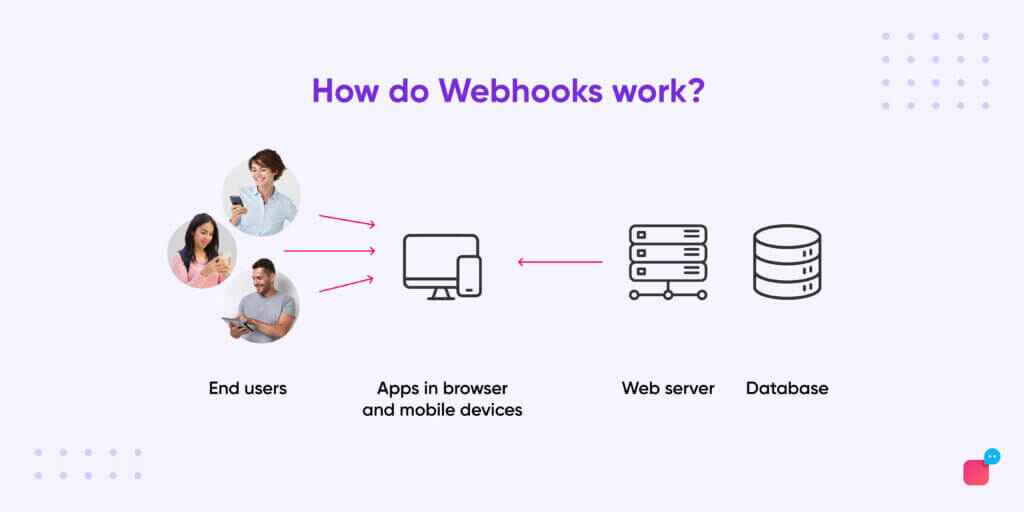
The technical implementation of webhooks involves several key components that work together to create reliable event notification systems. At its core, a webhook consists of an HTTP callback mechanism that triggers when specific events occur within a source application. The source application identifies the event, formats the relevant data, and sends an HTTP POST request to a predefined endpoint URL provided by the receiving application.
Understanding the request-response cycle in webhook implementations requires knowledge of HTTP protocols, JSON data formatting, and error handling mechanisms. When an event triggers a webhook, the source system creates a payload containing relevant information about the event and sends it to the designated endpoint. The receiving system processes this information and typically responds with an HTTP status code indicating whether the webhook was successfully received and processed.
Security considerations play a crucial role in webhook implementations, as these systems involve automated communication between different applications over the internet. Proper authentication mechanisms, payload verification, and secure transmission protocols ensure that webhook data remains protected from unauthorized access and tampering. Students learning webhook development must understand these security principles to create robust and reliable implementations that meet industry standards.
Error handling and retry mechanisms represent another critical aspect of webhook architecture that students must master. Network issues, server downtime, and processing failures can interrupt webhook delivery, so well-designed systems include retry logic, exponential backoff strategies, and failure notification systems. These concepts introduce students to resilient system design principles that are essential for building production-ready applications.
Real-World Applications Across Various Industries
The practical applications of webhooks span across numerous industries and use cases, demonstrating their versatility and importance in modern software ecosystems. E-commerce platforms extensively use webhooks to synchronize inventory data, process payment notifications, and update order statuses across multiple systems. When customers make purchases, webhooks instantly notify warehouse management systems, accounting software, and customer relationship management platforms, ensuring all systems remain synchronized without manual intervention.
Social media platforms and content management systems leverage webhooks to create dynamic and responsive user experiences. When users publish new content, webhooks notify followers, update recommendation algorithms, and trigger content moderation workflows. This real-time communication enables platforms to deliver immediate notifications and maintain engaging user experiences that keep audiences actively involved with their services.
Financial services and payment processing companies depend heavily on webhook implementations to maintain transaction integrity and provide real-time account updates. When transactions occur, webhooks instantly notify fraud detection systems, accounting platforms, and customer notification services. This immediate communication enables rapid fraud detection, accurate financial reporting, and timely customer communications that are essential for maintaining trust and compliance in financial services.
Customer support and communication platforms use webhooks to create integrated workflows that improve response times and service quality. When customers submit support requests, webhooks can automatically notify relevant team members, create tracking tickets, and update customer relationship management systems. This automated workflow reduces response times and ensures that customer inquiries receive appropriate attention and follow-up.
Development Skills and Technical Requirements
Developing effective webhook implementations requires mastery of several programming languages, frameworks, and development tools that are commonly used in modern software development. Students must understand server-side programming concepts, HTTP protocol mechanics, and database management principles to create reliable webhook endpoints that can process incoming data efficiently and accurately.
Programming languages such as Python, JavaScript, Java, and PHP provide robust frameworks and libraries that simplify webhook development and implementation. Students learning these languages through structured courses gain practical experience in handling HTTP requests, processing JSON data, and implementing error handling mechanisms that are essential for webhook functionality. Understanding multiple programming languages enables developers to work with diverse technology stacks and integrate webhooks into various application architectures.
Database management skills become crucial when implementing webhooks that need to store and process event data. Students must understand how to design database schemas that efficiently store webhook payloads, implement indexing strategies for quick data retrieval, and manage data consistency across multiple systems. These database skills complement webhook programming knowledge and enable students to create complete end-to-end implementations.
API design principles and RESTful architecture concepts play important roles in webhook implementation, as webhooks often work alongside traditional API endpoints to create comprehensive communication systems. Students who understand both webhook and API development can design more flexible and scalable application architectures that accommodate various communication patterns and use cases.
Security Considerations and Best Practices
Security represents one of the most critical aspects of webhook implementation, as these systems handle automated data transmission between different applications and services. Students must understand various security mechanisms including payload signature verification, HTTPS encryption, and authentication tokens to ensure that webhook implementations remain protected against unauthorized access and data tampering.
Payload verification mechanisms enable receiving applications to confirm that incoming webhook requests originate from legitimate sources and have not been modified during transmission. This typically involves cryptographic signatures that are calculated using shared secret keys and verified by the receiving application before processing webhook data. Understanding these cryptographic concepts helps students implement secure webhook systems that maintain data integrity.
Rate limiting and request throttling represent additional security measures that prevent webhook endpoints from being overwhelmed by excessive requests or potential denial-of-service attacks. Students learn to implement intelligent rate limiting that distinguishes between legitimate webhook traffic and potential security threats, ensuring system availability while maintaining security.
Access control and authentication mechanisms ensure that only authorized applications can send webhooks to specific endpoints. This involves implementing token-based authentication, IP address whitelisting, and other access control measures that protect webhook endpoints from unauthorized usage. Students who master these security concepts can create enterprise-grade webhook implementations that meet strict security requirements.
Integration with Modern Development Frameworks
Contemporary development frameworks and platforms provide extensive support for webhook implementation, making it easier for students to integrate these communication mechanisms into their applications. Cloud computing platforms offer managed webhook services that handle infrastructure concerns such as scaling, reliability, and monitoring, allowing developers to focus on business logic rather than operational details.
Microservices architectures rely heavily on webhook implementations to maintain loose coupling between different services while enabling efficient communication. Students learning microservices development must understand how webhooks facilitate service-to-service communication and contribute to overall system resilience and scalability. This knowledge becomes particularly valuable when working with containerized applications and orchestration platforms.
Event-driven architectures represent a fundamental design pattern that leverages webhook concepts to create responsive and scalable applications. Students who understand event-driven programming can design applications that react efficiently to changing conditions and user interactions, creating more engaging and responsive user experiences.
Testing and Debugging Webhook Implementations
Effective testing strategies for webhook implementations require understanding of both unit testing and integration testing approaches that can validate webhook functionality across different scenarios and edge cases. Students must learn to create comprehensive test suites that verify webhook delivery, payload processing, error handling, and security mechanisms to ensure reliable operation in production environments.
Debugging webhook implementations presents unique challenges because they involve communication between separate applications that may be running on different servers or platforms. Students need to understand logging strategies, monitoring tools, and debugging techniques that provide visibility into webhook operations and help identify issues when they occur.
Load testing and performance optimization become important considerations when webhook implementations need to handle high volumes of events or operate under demanding performance requirements. Students learn to use performance testing tools and optimization techniques that ensure webhook endpoints can handle expected traffic loads while maintaining acceptable response times.
Learning Opportunities Through Structured Education
Uncodemy offers comprehensive training programs that equip students with the knowledge and practical skills needed to master webhook development and implementation. The Full Stack Development Course provides extensive coverage of both frontend and backend technologies that are essential for creating complete webhook-integrated applications. Students gain hands-on experience with multiple programming languages, frameworks, and development tools while working on real-world projects that demonstrate webhook functionality.
The Backend Development Training at Uncodemy focuses specifically on server-side programming concepts and technologies that are crucial for webhook implementation. Students learn to work with databases, handle HTTP requests, implement security mechanisms, and create scalable backend architectures that can support webhook-based communication patterns. The course curriculum includes practical exercises and projects that allow students to build and deploy their own webhook implementations.
API Development and Integration courses at Uncodemy teach students how to design and implement comprehensive communication systems that combine traditional API endpoints with webhook functionality. Students learn industry best practices for API design, documentation, testing, and maintenance while gaining practical experience with webhook integration patterns that are commonly used in professional development environments.
The Cloud Computing and DevOps Training programs help students understand how to deploy and manage webhook implementations in cloud environments. Students learn to work with containerization technologies, orchestration platforms, and monitoring tools that are essential for maintaining webhook systems in production environments. This knowledge complements programming skills and prepares students for the operational aspects of webhook management.
Career Implications and Industry Demand
Understanding webhook implementation has become increasingly valuable in the current job market, as companies across various industries seek developers who can create integrated systems and automated workflows. Students who master webhook development gain competitive advantages in job applications and interviews, as they can demonstrate understanding of modern application architecture patterns and communication mechanisms.
The growing adoption of microservices architectures, cloud computing platforms, and automation tools has created increased demand for developers who understand event-driven programming and system integration concepts. Webhook knowledge represents a fundamental skill that applies across many different technology domains and career paths, making it a valuable investment for students pursuing technology careers.
Salary potential for developers with webhook and system integration expertise tends to be higher than average, as these skills are considered advanced and are essential for senior-level development positions. Students who combine webhook knowledge with other complementary skills such as cloud computing, microservices development, and DevOps practices position themselves for lucrative career opportunities in competitive technology markets.
Advanced Topics and Future Developments
As webhook technology continues to evolve, new patterns and implementations are emerging that address more sophisticated use cases and performance requirements. Students who stay current with these developments position themselves at the forefront of technology trends and remain competitive in rapidly changing job markets.
Serverless computing platforms are creating new opportunities for webhook implementation that offer improved scalability and cost efficiency. Students learning serverless development can leverage webhook concepts to create highly scalable event-driven applications that automatically scale based on demand while minimizing operational overhead.
Machine learning and artificial intelligence applications increasingly rely on webhook implementations to trigger automated processing workflows and deliver real-time insights. Students who understand both webhook technology and machine learning concepts can create innovative applications that combine real-time data processing with intelligent automation capabilities.
Conclusion
Mastering webhook implementation represents an essential skill for modern software developers who want to create integrated, responsive, and scalable applications. The concepts and technologies involved in webhook development provide foundational knowledge that applies across many different areas of software development and system integration. Students who invest time in learning webhook development through structured educational programs gain valuable skills that enhance their career prospects and enable them to contribute effectively to modern development projects.
Uncodemy's comprehensive training programs provide the structured learning environment and expert guidance that students need to master webhook development and related technologies. Through hands-on projects, industry-relevant curriculum, and practical experience with real-world applications, students develop the confidence and capabilities needed to succeed in competitive technology careers. The combination of theoretical knowledge and practical experience ensures that graduates are well-prepared for the challenges and opportunities of modern software development roles that require webhook expertise.