Learn SEO Optimization: Boost Your Website Traffic Today
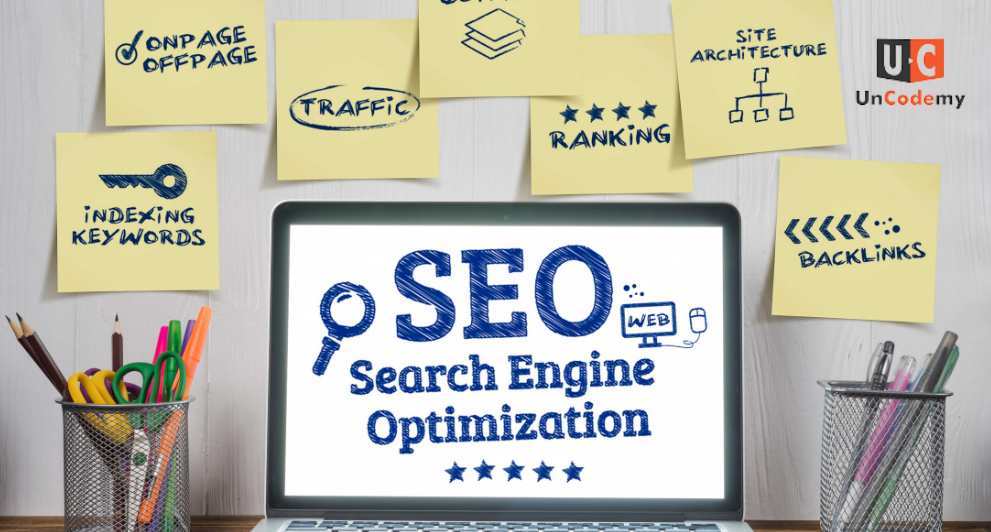
“The best place to hide a dead body is the second page of Google search results.” –
If you have a website but barely anyone visits, you might feel like you’ve thrown a party and forgotten to send out the invites. That’s where SEO optimization comes in. It’s your golden ticket to making your website visible to the world. If you’re a student, a beginner, or even a business owner wondering “why SEO is important for business,” this guide will break it down for you in the simplest way possible.
By the end of this blog, you’ll learn SEO, understand what SEO optimization is, and know how to drive organic traffic to your website like a pro. Buckle up, because we’re about to dive into the world of search engine optimization (SEO).
What is SEO Optimization?
SEO (Search Engine Optimization) is the art and science of making your website rank higher on Google and other search engines. The better your ranking, the more people will find your site. Think of SEO as a digital GPS that helps users discover your content when they search for something online.
Search engines like Google use complex algorithms to decide which web pages should appear at the top. They look at various factors such as:
- Relevance – Does your content match the search query?
- Quality – Is your website user-friendly and informative?
- Authority – Do other websites trust and link to yours?
If you want to learn search engine optimization, mastering these three factors is key!
Why SEO is Important for Business?
“Ignoring online marketing is like opening a business but not telling anyone about it.” – KB Marketing
Whether you run a blog, an e-commerce store, or a business website, SEO is your best marketing tool. Here’s why:
- More Website Traffic: SEO helps drive organic traffic (free visitors) to your site.
- Brand Credibility: Ranking high on Google makes you appear trustworthy.
- Better User Experience: SEO improves site speed, content quality, and navigation.
- Cost-Effective Marketing: Unlike paid ads, SEO delivers long-term results without extra costs.
No matter what industry you’re in, learning SEO optimization is a game-changer for your online presence.
Learn SEO: The Two Major Types of SEO
SEO can be divided into two major types: On-Page SEO and Off-Page SEO.
1. On-Page SEO: Optimizing What’s on Your Website
On-Page SEO involves everything you can control within your website to make it rank better. Think of it as tidying up your house before guests arrive. Key elements include:
- Keyword Optimization: Use keywords like “learn SEO optimization” naturally in your content.
- Title Tags & Meta Descriptions: These help search engines understand your page’s topic.
- Internal Linking: Linking to other pages on your website improves navigation.
- Mobile-Friendliness: Google loves websites that work well on smartphones.
- Fast Loading Speed: A slow website can push visitors away.
2. What is Off-Page SEO? (Building Your Website’s Authority)
While On-Page SEO is about improving your website, Off-Page SEO is all about getting external recognition. Imagine you’re in a popularity contest – the more people talk about you, the more important you seem.
- Backlink Building: Getting links from high-quality websites boosts your authority.
- Social Media Signals: Shares and mentions on platforms like Facebook, Twitter, and LinkedIn help.
- Guest Blogging: Writing articles for other websites can bring traffic to yours.
- Brand Mentions: Even if a site doesn’t link to you, a mention still helps your visibility.
Mastering both On-Page and Off-Page SEO is the key to SEO success.
How to Learn SEO Marketing: Step-by-Step Guide
If you’re a student or beginner and want to learn SEO marketing, here’s a simple roadmap to get started:
Step 1: Understand How Search Engines Work
Before diving in, you must know how Google, Bing, and other search engines function. Learn about crawling, indexing, and ranking algorithms.
Step 2: Learn SEO Basics
- What are keywords, and how do you use them?
- What is the role of meta tags and descriptions?
- How does site speed affect rankings?
Step 3: Master Keyword Research
Keywords are the foundation of SEO. Use tools like:
- Google Keyword Planner
- Ubersuggest
- Ahrefs & SEMrush
Example: If you’re running a food blog, a keyword like “best healthy recipes” could attract visitors searching for nutritious meal ideas.
Step 4: Optimize Your Content (On-Page SEO)
Use SEO-friendly content strategies, such as:
- Writing long-form content (1,500+ words perform best).
- Using headers (H1, H2, H3) for better readability.
- Adding alt text for images to help Google understand them.
Step 5: Build High-Quality Backlinks (Off-Page SEO)
The more backlinks (links from other websites) you have, the higher your site ranks. Reach out to bloggers, influencers, and industry leaders to share your content.
Step 6: Track & Analyze Your Performance
Use Google Analytics and Google Search Console to measure your SEO progress. Identify which pages perform well and which need improvement.
Common SEO Mistakes to Avoid
- ❌ Keyword Stuffing: Overloading content with keywords looks unnatural.
- ❌ Ignoring Mobile Optimization: Most users browse from smartphones, so a mobile-friendly website is essential.
- ❌ Skipping Meta Descriptions: These small snippets impact click-through rates.
- ❌ Not Updating Content: Outdated content can lower your rankings.
Final Thoughts: Become an SEO Pro Today!
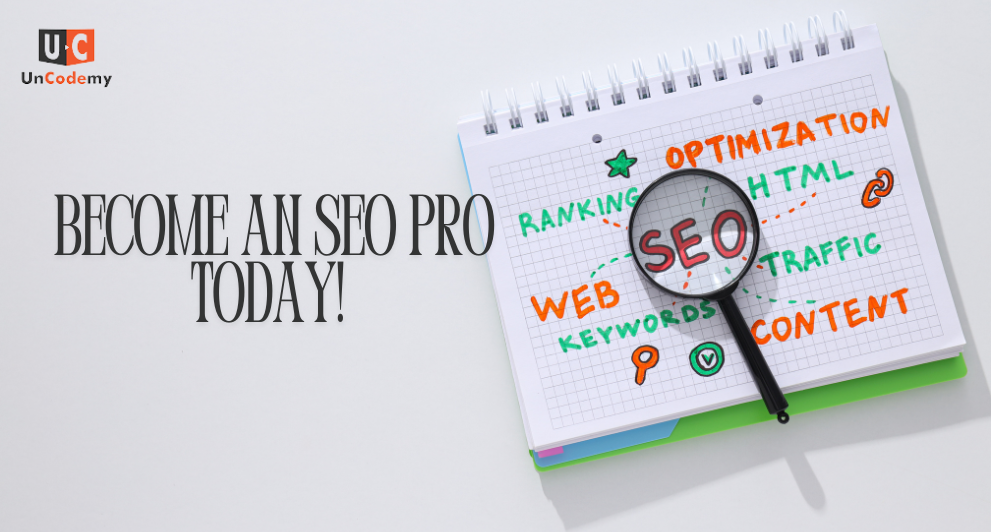
“SEO is not about tricking Google. It’s about partnering with Google to provide the best search results for users.” – Phil Frost
Learning SEO optimization is a skill that pays off in the long run. Whether you’re a student looking to boost your career, a blogger wanting more traffic, or a business owner aiming for more sales, SEO is your ultimate weapon.
If you’re ready to learn SEO marketing, start with the basics, practice consistently, and keep up with Google’s latest updates.
FAQs on Learning SEO Optimization
Q1. What is SEO optimization, and how does it work?
SEO (Search Engine Optimization) is a process that improves a website’s visibility on search engines like Google. It involves on-page and off-page strategies to attract organic traffic.
Q2. How can I learn SEO for free?
You can learn search engine optimization from platforms like Google Digital Garage, Moz, and HubSpot Academy, which offer free SEO courses.
Q3. What is Off-Page SEO?
Off-Page SEO involves external efforts to boost a website’s credibility, such as backlinks, social media marketing, and guest blogging.
Q4. Why is SEO important for business?
SEO helps businesses gain more traffic, credibility, and sales, making it an essential digital marketing strategy.
Q5. How long does it take to see SEO results?
SEO is a long-term strategy, and results typically appear in 3 to 6 months, depending on competition and optimization efforts.



















