Whether you're a student, a working professional looking to upskill, or someone making a complete career switch, learning Python for data science is one of the most impactful steps you can take in your career. This article aims to serve as your comprehensive guide for learning Python in 2026, highlighting tools, trends, real-world applications, and where to begin.
Why Python for Data Science?
Python has remained the top choice for data science professionals for several years, and its popularity has only increased in 2026. There are several compelling reasons for this:
1. Easy to Learn and Read
Python’s syntax is simple and closely resembles human language. This makes it an ideal starting point for beginners who want to grasp programming concepts without getting bogged down by complex syntax rules.
2. Rich Ecosystem of Libraries
Python offers a vast collection of libraries that make data science easier and faster:
- 1. NumPy: For numerical computations
- 2. Pandas: For data manipulation and analysis
- 3. Matplotlib and Seaborn: For data visualization
- 4. Scikit-learn: For traditional machine learning algorithms
- 5. TensorFlow and PyTorch: For deep learning and AI
These libraries provide robust, production-ready functionalities that allow developers to focus more on solving problems and less on coding from scratch.
3. Active Community and Open Source Support
Python has a massive global community of developers, data scientists, and machine learning engineers. If you run into a problem, chances are someone else has already solved it. Online forums like Stack Overflow, GitHub, and Reddit are filled with Python resources and support.
4. Versatile and Scalable
Python can be used for scripting small projects or building large-scale applications. It integrates well with other languages and platforms, including SQL, Java, R, and cloud platforms like AWS, Azure, and Google Cloud.
Why Learn Python for Data Science in 2026?
Data-Driven Culture is the Norm
Organizations today are data-centric. Whether it's understanding customer behavior, optimizing logistics, or detecting fraud, data science is at the core of strategic decision-making. Python, being a preferred language, helps professionals take full control of data and derive actionable insights.
AI and Automation Trends
The intersection of data science and artificial intelligence has become more pronounced. Tools like GPT-4, LLaMA, and other large language models have revolutionized how we interact with data. Python provides seamless APIs and libraries to interact with these tools, making it indispensable in 2026.
High Earning Potential
Data science roles often come with lucrative compensation packages. Python-based data scientists and machine learning engineers are among the top earners in the tech industry. Roles such as Data Analyst, AI Developer, Business Intelligence Analyst, and Data Engineer frequently list Python as a mandatory skill.
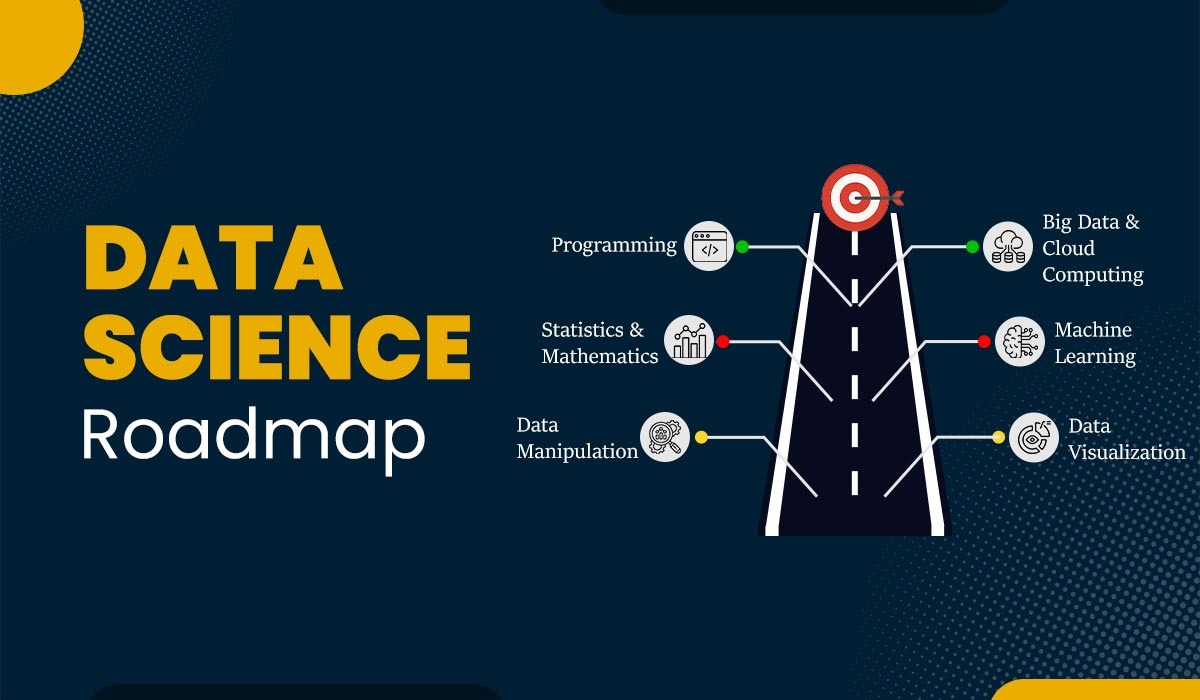
A Step-by-Step Roadmap to Learning Python for Data Science
Here’s a structured plan to learn Python for data science in 2026, even if you are starting from scratch:
Step 1: Master the Fundamentals of Python
Start by learning the basics of the language. Focus on:
- a. Variables and Data Types
- b. Control Structures (if-else, loops)
- c. Functions and Modules
- d. Lists, Tuples, Dictionaries, Sets
- e. File Handling
- f. Exception Handling
Use platforms like Google Colab or Jupyter Notebooks for hands-on practice. These tools allow you to write and execute Python code directly in your browser without installation.
Step 2: Learn Data Manipulation with Pandas and NumPy
Once you have the basics, move on to handling and manipulating data.
- a. Learn how to import datasets (CSV, Excel, SQL)
- b. Clean data (remove nulls, duplicates)
- c. Perform aggregations and group operations
- d. Work with arrays using NumPy
Pandas and NumPy are crucial because raw data is rarely clean or ready for analysis. These libraries provide efficient ways to prepare data for further processing.
Step 3: Data Visualization
Understanding data visually can uncover trends and patterns that are not obvious in tabular format.
- a. Learn to use Matplotlib and Seaborn
- b. Create line plots, bar charts, histograms, box plots, and heatmaps
- c. Build dashboards using Plotly or Streamlit
In 2026, tools like Streamlit and Dash have become even more powerful, enabling interactive dashboards with minimal code.
Step 4: Learn Statistics and Probability
You don’t need to become a mathematician, but understanding basic concepts like mean, median, standard deviation, distributions, hypothesis testing, and p-values is essential. Python libraries such as Statsmodels and SciPy can assist in applying these concepts programmatically.
Step 5: Start with Machine Learning
After gaining comfort with Python and data manipulation, start learning machine learning with Scikit-learn.
Key topics include:
- a. Supervised learning: Linear Regression, Decision Trees, Random Forests
- b. Unsupervised learning: K-means Clustering, PCA
- c. Model Evaluation: Cross-validation, confusion matrix, precision, recall
Scikit-learn abstracts complex algorithms and provides easy-to-use functions for training and evaluating models.
Step 6: Work on Projects
Nothing beats learning like real-world application. Start working on small to medium-sized projects like:
- a. Sales forecasting
- b. Customer churn prediction
- c. Sentiment analysis on social media
- d. Fraud detection systems
Upload your work to GitHub, build a portfolio, and document your process. This will not only improve your skills but also help during job applications.
Step 7: Explore Advanced Topics (Optional)
Once you're comfortable, you can delve into more advanced areas:
- a. Deep Learning (TensorFlow, Keras, PyTorch)
- b. Natural Language Processing (NLP)
- c. Big Data (Spark with PySpark)
- d. Cloud Integration (AWS Sagemaker, Google Cloud AI)
- e. Deployment with Flask/Django and Docker
Essential Tools and Platforms for Python in Data Science
- 1. Jupyter Notebook: Excellent for writing and running Python code, especially for data analysis and visualization.
- 2. Google Colab: Free cloud-based environment to run Python notebooks with GPU support.
- 3. GitHub: Use version control and showcase your projects.
- 4. Kaggle: Offers competitions, public datasets, and Python notebooks from data science practitioners.
- 5. Anaconda: A distribution that bundles Python, Jupyter, and most required libraries.
Top Trends in Data Science Using Python (2026)
1. Real-Time Analytics: Python is being used in streaming data analytics using tools like Apache Kafka and Spark.
2. Integration with Generative AI: APIs from OpenAI and others allow Python to power AI-driven analytics, summaries, and predictions.
3. Edge Data Processing: With IoT expansion, Python is being used for on-device processing using frameworks like TensorFlow Lite.
4. AutoML Tools: Python-based tools like Auto-Sklearn and H2O.ai make model building faster and easier.
5. Data Privacy and Ethics: Python libraries now assist with data anonymization and fairness auditing.
Where to Learn Python for Data Science in 2026
If you are serious about pursuing a career in data science and want guided, hands-on learning, consider enrolling in a professional course.
Recommended: Data Science with Python Course by Uncodemy
Uncodemy offers an industry-relevant and up-to-date Data Science with Python course, tailored for 2026 learners.
What You’ll Learn:
- a. Python fundamentals
- b. Data analysis and visualization
- c. Machine learning algorithms
- d. Deep learning and NLP basics
- e. Real-world projects and case studies
Why Choose Uncodemy?
- a. Instructor-led live sessions
- b. Practical assignments and mini-projects
- c. Resume building and interview preparation
- d. Lifetime access to LMS and updated resources
- e. Certification recognized by top hiring firms
Visit Uncodemy's official website to check out course details, reviews, and upcoming batches.
Conclusion
Python continues to be the backbone of modern data science, and learning it in 2026 is more important than ever. It offers simplicity, power, and a massive ecosystem that supports data manipulation, machine learning, and advanced analytics. Whether you're just getting started or already have some programming background, following a structured learning path and practicing consistently will lead to tangible success.
With organizations relying heavily on data to innovate and compete, skilled Python professionals in data science are not just in demand—they are essential. Make the most of this opportunity. Begin learning today and become part of the future of data-driven decision-making.
And if you're looking for mentorship and a guided path, Uncodemy’s Data Science with Python course is a fantastic place to start your journey.