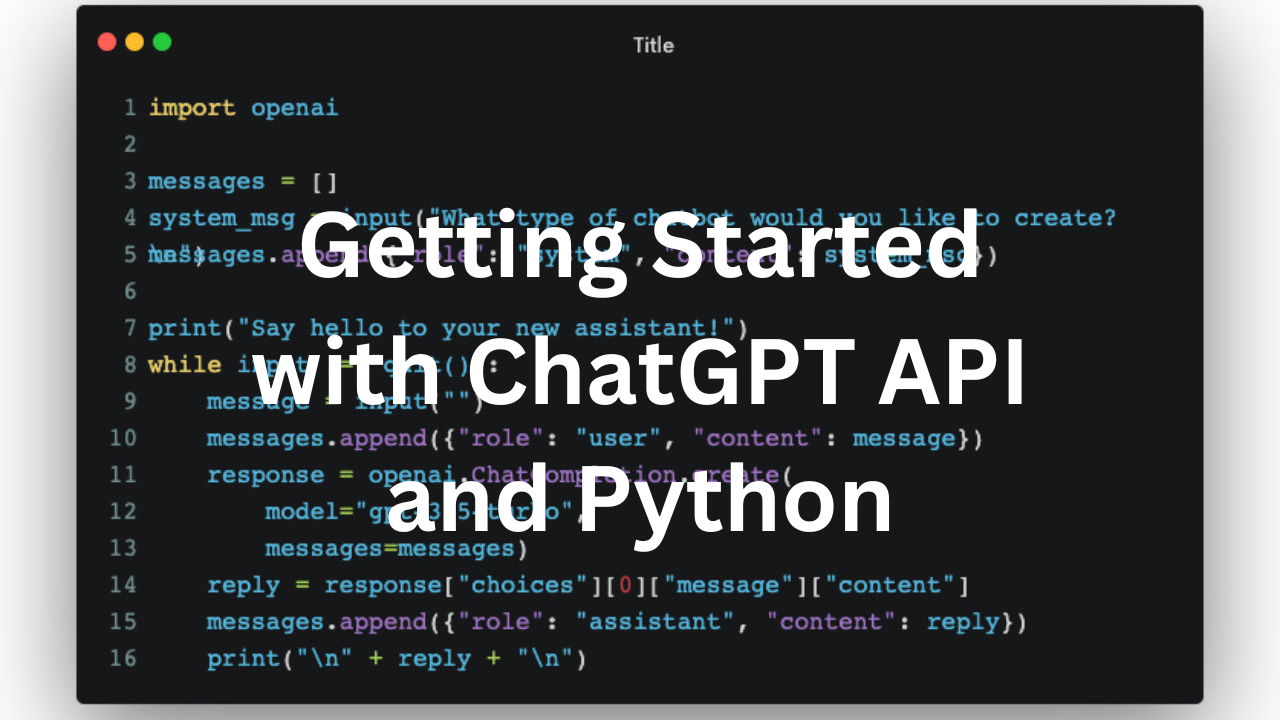
Modern programming approaches have evolved significantly with the introduction of artificial intelligence tools that enhance developer productivity and code quality. ChatGPT, as a sophisticated language model, has revolutionized how developers approach function writing, debugging, and optimization processes. This transformation enables programmers to create more reliable, maintainable, and efficient Python functions while reducing development time and minimizing common programming errors.
The integration of AI-powered coding assistance represents a paradigm shift that allows developers to focus on higher-level problem-solving and system design rather than spending excessive time on syntax errors and basic implementation details. This approach has proven particularly valuable for both novice programmers learning fundamental concepts and experienced developers working on complex projects requiring rapid prototyping and iterative development.
Professional developers who embrace these AI-powered tools often demonstrate superior productivity and code quality compared to those relying solely on traditional development methods. The strategic use of ChatGPT for Python function development enables programmers to explore multiple implementation approaches, validate logic patterns, and ensure robust error handling throughout their codebase.
Understanding ChatGPT's Capabilities for Python Development
ChatGPT offers comprehensive support for Python programming tasks, ranging from simple function implementations to complex algorithmic solutions that address sophisticated business requirements. The model's training encompasses extensive Python documentation, best practices, and real-world code examples that enable it to provide contextually relevant suggestions and implementations.
The artificial intelligence tool excels at understanding natural language descriptions of programming requirements and translating them into functional Python code. This capability enables developers to describe their intended functionality in plain English and receive well-structured, syntactically correct Python functions that implement the desired behavior with appropriate error handling and documentation.
One of the most significant advantages of using ChatGPT for Python development lies in its ability to suggest multiple implementation approaches for the same problem. This feature allows developers to evaluate different solutions based on performance characteristics, readability, and maintainability requirements specific to their project context and organizational standards.
The tool also demonstrates exceptional proficiency in explaining code logic, identifying potential issues, and suggesting optimizations that enhance function performance and reliability. These capabilities make it an invaluable resource for developers seeking to improve their coding skills while delivering high-quality solutions that meet professional standards.
Essential Techniques for Effective ChatGPT Utilization
Successful utilization of ChatGPT for Python function development requires strategic approaches that maximize the tool's capabilities while maintaining code quality and adherence to best practices. Developers must learn to craft precise prompts that clearly communicate their requirements, constraints, and expected outcomes to ensure optimal results.
The most effective approach involves providing detailed context about the intended function purpose, input parameters, expected output format, and any specific requirements or constraints that must be considered. This comprehensive information enables ChatGPT to generate more accurate and relevant code solutions that align with project specifications and organizational coding standards.
Developers should also leverage ChatGPT's ability to refine and optimize existing code by requesting specific improvements such as performance enhancements, error handling additions, or code readability improvements. This iterative refinement process enables continuous improvement of function quality and ensures that the final implementation meets all technical and business requirements.
Another crucial technique involves using ChatGPT to generate comprehensive test cases and documentation for Python functions. This approach ensures that functions are thoroughly validated and well-documented, facilitating easier maintenance and collaboration among development team members throughout the project lifecycle.
Comprehensive Python Training Through Uncodemy's Python Full Stack Course
Aspiring developers seeking to master Python programming and AI-assisted development techniques can benefit significantly from structured learning programs that provide comprehensive training in modern development practices. Uncodemy's Python Full Stack Course offers extensive coverage of Python fundamentals, advanced programming concepts, and practical applications that prepare students for professional development roles.
This specialized program addresses the growing demand for developers who can effectively leverage both traditional programming skills and modern AI tools to create robust, scalable applications. Students learn essential Python concepts including data structures, algorithms, object-oriented programming, and web development frameworks while gaining hands-on experience with industry-standard tools and practices.
The course curriculum includes dedicated modules on AI-assisted development, teaching students how to effectively utilize tools like ChatGPT for code generation, debugging, and optimization. This practical approach ensures that graduates can immediately apply these skills in professional environments while maintaining code quality and adhering to best practices.
Participants also gain exposure to real-world project scenarios that simulate actual development challenges, enabling them to practice AI-assisted problem-solving techniques in contexts that mirror professional development environments. This experiential learning approach builds confidence and competency that translates directly to workplace success.
Advanced Development Skills Through Uncodemy's Data Science Course
The intersection of Python programming and data science has created unprecedented opportunities for professionals who can combine programming expertise with analytical capabilities. Uncodemy's Data Science Course provides comprehensive training in Python-based data analysis, machine learning, and statistical modeling techniques that are essential for modern data-driven applications.
Students learn to leverage ChatGPT for developing sophisticated data processing functions, statistical analysis algorithms, and machine learning implementations that meet industry standards for accuracy and performance. The program emphasizes practical applications while ensuring that participants understand underlying theoretical concepts that inform effective implementation decisions.
The course curriculum covers advanced Python libraries and frameworks including NumPy, Pandas, Scikit-learn, and TensorFlow, teaching students how to use AI assistance to accelerate development while maintaining code quality and performance optimization. This comprehensive approach ensures that graduates can tackle complex data science challenges with confidence and efficiency.
Participants also develop skills in data visualization, statistical analysis, and predictive modeling that complement their Python programming abilities. This interdisciplinary expertise enables them to create comprehensive solutions that address business requirements while leveraging cutting-edge AI tools for enhanced productivity and accuracy.
Web Development Excellence with Uncodemy's Full Stack Development Program
Modern web development requires sophisticated Python skills combined with front-end technologies and database management capabilities. Uncodemy's Full Stack Development Program provides comprehensive training that enables students to create complete web applications while leveraging AI tools for enhanced development efficiency and code quality.
The program covers essential web development frameworks including Django and Flask, teaching students how to use ChatGPT to generate robust web application components, API endpoints, and database integration functions. This practical approach ensures that graduates can quickly develop and deploy professional-quality web applications that meet contemporary performance and security standards.
Students learn advanced techniques for using AI assistance in debugging complex web applications, optimizing database queries, and implementing security best practices. These skills are particularly valuable in professional environments where rapid development cycles and high-quality deliverables are essential for project success.
The curriculum also includes modules on deployment, testing, and maintenance of web applications, providing students with comprehensive skills necessary for managing complete application lifecycles. This holistic approach ensures that graduates can contribute effectively to development teams while leveraging AI tools to maximize their productivity and code quality.
Best Practices for Error Prevention and Quality Assurance
Effective utilization of ChatGPT for Python function development requires systematic approaches to error prevention and quality assurance that ensure reliable, maintainable code. Developers must establish validation procedures that verify AI-generated code meets functional requirements while adhering to coding standards and security best practices.
The most effective approach involves implementing comprehensive testing strategies that validate function behavior across various input scenarios, edge cases, and error conditions. ChatGPT can assist in generating these test cases, ensuring thorough coverage while identifying potential issues before code deployment to production environments.
Code review processes should incorporate both automated analysis tools and manual inspection to verify that AI-generated functions integrate properly with existing codebases and maintain consistency with established architectural patterns. This multi-layered validation approach ensures that AI assistance enhances rather than compromises overall system quality.
Documentation standards must also be maintained when using AI-generated code, with developers ensuring that functions include appropriate comments, docstrings, and usage examples that facilitate understanding and maintenance by other team members. ChatGPT can assist in generating comprehensive documentation that meets professional standards.
Advanced Optimization and Performance Tuning
Professional Python development requires ongoing attention to performance optimization and system efficiency, particularly when working with large-scale applications or resource-constrained environments. ChatGPT can provide valuable assistance in identifying performance bottlenecks and suggesting optimization strategies that enhance function efficiency without compromising functionality.
The optimization process involves analyzing function complexity, memory usage patterns, and execution time characteristics to identify opportunities for improvement. ChatGPT can suggest algorithmic improvements, data structure optimizations, and implementation alternatives that achieve better performance while maintaining code readability and maintainability.
Profiling and benchmarking techniques play crucial roles in validating optimization efforts and ensuring that improvements deliver measurable benefits. Developers can use ChatGPT to generate profiling code and interpret performance metrics that guide optimization decisions and validate implementation changes.
Advanced optimization strategies may include parallel processing implementations, caching mechanisms, and algorithmic refinements that leverage Python's capabilities for high-performance computing. ChatGPT can assist in implementing these sophisticated techniques while ensuring that optimizations align with system requirements and constraints.
Integration with Development Workflows and Team Collaboration
Successful implementation of AI-assisted Python development requires integration with existing development workflows, version control systems, and team collaboration processes. Organizations must establish guidelines that govern AI tool usage while maintaining code quality standards and ensuring consistent development practices across teams.
Version control integration involves establishing procedures for documenting AI-assisted code generation, maintaining clear attribution, and ensuring that all team members understand the tools and techniques used in function development. This transparency facilitates effective collaboration and enables comprehensive code review processes.
Continuous integration and deployment pipelines must accommodate AI-generated code while maintaining automated testing, quality assurance, and security validation procedures. These systems ensure that AI assistance enhances rather than bypasses established quality control measures that protect production environments.
Knowledge sharing and training programs help team members develop proficiency with AI tools while maintaining consistency in their application across projects. Regular training sessions and best practice documentation ensure that all developers can leverage these tools effectively while contributing to overall team productivity.
Future Trends and Emerging Opportunities
The rapid evolution of AI technology continues to create new opportunities for Python developers who can effectively leverage these tools for enhanced productivity and code quality. Emerging trends include more sophisticated code generation capabilities, automated testing and debugging assistance, and integrated development environment plugins that streamline AI-assisted development workflows.
Advanced AI models are beginning to offer more nuanced understanding of software architecture patterns, enabling them to generate functions that better integrate with existing codebases and follow established design principles. These improvements will further enhance the value of AI assistance for professional development projects.
The integration of AI tools with cloud development platforms and collaborative coding environments presents new opportunities for distributed teams to leverage AI assistance while maintaining effective collaboration and code sharing practices. These developments will likely reshape how development teams approach project planning and execution.
Machine learning capabilities within AI coding assistants continue to improve, enabling more personalized suggestions and learning from developer preferences and coding patterns. These advancements will make AI tools increasingly valuable for individual developers and development teams seeking to optimize their workflows.
Utilizing ChatGPT for error-free Python function development represents a significant opportunity for developers to enhance their productivity while improving code quality and reliability. Through comprehensive training programs like those offered by Uncodemy, aspiring developers can master both traditional programming skills and modern AI-assisted development techniques, positioning themselves for success in the evolving technology landscape.