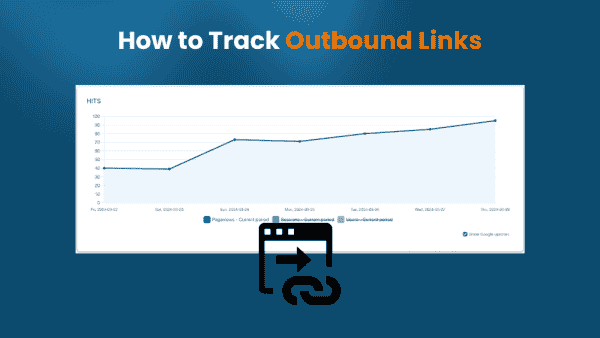
This essential practice provides valuable insights into user engagement patterns and helps organizations optimize their digital strategies for maximum impact.
The ability to track outbound links effectively represents a cornerstone of modern digital marketing analytics. When visitors click on external links from a website, valuable data about their preferences, interests, and behavior patterns gets generated. Without proper tracking mechanisms in place, organizations miss crucial opportunities to understand their audience better and make data-driven decisions that could significantly improve their marketing return on investment.
Educational institutions like Uncodemy have recognized this growing demand for analytics expertise and have developed comprehensive Digital Marketing courses that emphasize practical skills in web analytics and data interpretation. These programs prepare students to handle complex tracking implementations while understanding the strategic implications of their analytical findings.
Understanding the Foundation of Outbound Link Analytics
Outbound link tracking involves monitoring when users click on links that direct them away from your website to external domains. This data provides insights into what content resonates with your audience and which external resources they find valuable enough to pursue. The information gathered through outbound link tracking can reveal patterns about user intent, content effectiveness, and partnership opportunities that might otherwise remain hidden.
Modern businesses operate in an interconnected digital ecosystem where strategic partnerships and content collaborations drive significant portions of web traffic. Understanding how users interact with these external connections becomes essential for optimizing partnership strategies and content curation decisions. Companies that effectively track and analyze outbound link data gain competitive advantages through better understanding of their audience's broader interests and behavior patterns.
The technical implementation of outbound link tracking requires careful consideration of various factors, including user privacy concerns, data accuracy requirements, and integration with existing analytics platforms. Different tracking methods offer varying levels of detail and complexity, making it essential to choose approaches that align with specific business objectives and technical capabilities.
For students enrolled in Uncodemy's comprehensive Data Analytics courses, understanding these foundational concepts becomes crucial for developing practical skills that employers value. The institution's curriculum emphasizes hands-on experience with real-world scenarios, preparing graduates to handle complex analytics implementations across different industries and business contexts.
Essential Tools and Platforms for Implementation
Google Analytics remains the most widely adopted platform for website analytics, offering robust capabilities for tracking outbound link interactions. The platform's event tracking features enable detailed monitoring of user clicks on external links, providing data about click frequency, user demographics, and behavioral patterns. Setting up outbound link tracking through Google Analytics requires understanding event parameters and custom dimensions that capture relevant user interaction data.
Google Tag Manager serves as a powerful companion tool that simplifies the implementation and management of tracking codes across websites. This platform allows marketers and analysts to deploy tracking scripts without requiring extensive technical knowledge or direct access to website code. The visual interface and template system make it accessible to professionals with varying technical backgrounds while maintaining the flexibility needed for complex tracking scenarios.
Alternative analytics platforms like Adobe Analytics, Mixpanel, and Hotjar offer specialized features for outbound link tracking that may better suit specific business requirements. Each platform brings unique strengths in areas such as real-time reporting, user journey visualization, or advanced segmentation capabilities. The choice of platform often depends on factors like budget constraints, technical requirements, and integration needs with existing marketing technology stacks.
Heat mapping tools provide visual representations of user interaction patterns, including clicks on outbound links. These tools complement traditional analytics data by showing exactly where users click on web pages and how they navigate through content before engaging with external links. This visual data helps identify optimization opportunities and user experience improvements that might not be apparent through numerical analytics alone.
Students pursuing Uncodemy's Digital Marketing training programs learn to evaluate and implement various analytics tools based on specific business requirements and technical constraints. This practical approach ensures graduates can adapt to different technological environments and make informed decisions about tool selection and implementation strategies.
Technical Implementation Strategies
The most straightforward approach to outbound link tracking involves adding event tracking code to external links using JavaScript. This method captures click data and sends it to analytics platforms whenever users interact with outbound links. The implementation requires careful attention to code placement and parameter configuration to ensure accurate data collection without negatively impacting website performance.
Enhanced ecommerce tracking extends basic outbound link monitoring by capturing additional context about user interactions, such as the content section where clicks occurred, user engagement levels at the time of clicking, and previous actions taken during the same session. This enriched data provides deeper insights into user motivation and content effectiveness across different website sections.
Custom dimensions and metrics allow organizations to capture specific data points that align with their unique business requirements. For example, tracking the category of external links clicked, the user's stage in the customer journey, or the marketing channel that originally brought them to the website. These custom parameters enable more sophisticated analysis and reporting that directly supports strategic decision-making processes.
Cross-domain tracking becomes essential for organizations with multiple websites or complex digital properties. This advanced implementation ensures that user sessions remain connected even when visitors navigate between different domains, providing a complete picture of user behavior across the entire digital ecosystem. Proper cross-domain tracking requires careful configuration of analytics codes and thorough testing to maintain data accuracy.
For technical implementations, students in Uncodemy's Full Stack Development courses gain valuable experience working with analytics integration during web development projects. This cross-disciplinary approach helps future developers understand how their coding decisions impact analytics data quality and business intelligence capabilities.
Data Analysis and Interpretation Techniques
Raw outbound link data requires thoughtful analysis to extract actionable insights that can inform business decisions. Simple metrics like click counts provide limited value without context about user behavior patterns, content performance trends, and correlation with business outcomes. Effective analysts develop frameworks for interpreting outbound link data in conjunction with other website metrics to build comprehensive understanding of user engagement.
Segmentation analysis reveals how different user groups interact with outbound links differently. By analyzing data across dimensions such as traffic source, geographic location, device type, and user engagement level, organizations can identify patterns that inform targeted optimization strategies. For example, discovering that mobile users click certain types of outbound links at higher rates than desktop users might suggest opportunities for mobile-specific content curation.
Conversion path analysis traces the role of outbound link clicks in overall customer journey progression. Understanding whether users who click specific external links are more or less likely to complete desired actions helps organizations optimize their content strategy and partnership decisions. This analysis requires connecting outbound link data with conversion tracking and customer lifecycle metrics.
Comparative analysis over time identifies trends in outbound link performance and helps organizations understand how changes in content strategy, website design, or external partnerships affect user behavior. Regular reporting and trend analysis enable proactive adjustments to digital strategies before performance issues become significant problems.
Students enrolled in Uncodemy's Business Analytics programs develop expertise in statistical analysis techniques and data visualization methods that transform raw analytics data into compelling business insights. These skills become essential for professionals who need to communicate complex data findings to stakeholders with varying technical backgrounds.
Advanced Tracking Configurations
Attribution modeling helps organizations understand the contribution of outbound link interactions to overall business objectives. By implementing multi-touch attribution models, companies can assess how external link clicks influence customer acquisition, retention, and revenue generation. This sophisticated analysis requires integration between outbound link tracking and customer relationship management systems.
Cohort analysis examines how groups of users with similar outbound link interaction patterns behave over time. This longitudinal perspective reveals the long-term value of different types of external content engagement and helps organizations make informed decisions about partnership investments and content curation strategies. Cohort analysis requires careful data collection and patient observation of user behavior patterns across extended time periods.
Real-time monitoring capabilities enable organizations to respond quickly to unusual outbound link activity patterns. Sudden spikes in clicks to specific external domains might indicate viral content sharing, security concerns, or partnership opportunities that require immediate attention. Automated alerting systems can notify relevant team members when outbound link metrics exceed predetermined thresholds.
Custom reporting dashboards consolidate outbound link data with other key performance indicators to provide comprehensive views of digital marketing effectiveness. These dashboards should be designed for different stakeholder needs, with executive summaries for leadership teams and detailed operational metrics for marketing practitioners. Effective dashboard design requires understanding both data visualization principles and business communication needs.
The comprehensive curriculum offered through Uncodemy's PG Program in Digital Marketing includes advanced analytics modules that prepare students to implement and manage sophisticated tracking systems across various business contexts. This specialized training ensures graduates can handle complex analytics requirements while maintaining focus on business objectives and strategic outcomes.
Privacy Considerations and Compliance
Modern outbound link tracking must balance analytical needs with increasing privacy regulations and user expectations. Implementation strategies should consider requirements from regulations such as GDPR, CCPA, and other regional privacy laws that affect how organizations can collect and use website visitor data. Compliance requires careful attention to consent mechanisms, data retention policies, and user rights regarding personal information.
Cookie policies and consent management become particularly important for outbound link tracking since this data often includes personally identifiable information or behavioral patterns that privacy regulations protect. Organizations need robust consent management systems that clearly communicate data collection practices while providing users with meaningful choices about their privacy preferences.
Data minimization principles encourage organizations to collect only the outbound link data necessary for legitimate business purposes. This approach not only supports privacy compliance but also improves data quality by focusing analytical efforts on metrics that directly support business objectives. Regular audits of tracking implementations help ensure ongoing alignment with privacy requirements and business needs.
Anonymous tracking techniques enable organizations to gather insights about outbound link performance without collecting personally identifiable information. These approaches may provide less granular data but offer greater privacy protection and simplified compliance requirements. The trade-offs between data richness and privacy protection require careful consideration based on specific business contexts and regulatory environments.
Students in Uncodemy's comprehensive training programs learn about privacy considerations alongside technical implementation skills, ensuring they can develop analytics strategies that respect user privacy while delivering valuable business insights. This balanced approach prepares graduates to navigate the complex landscape of modern digital marketing compliance requirements.
Measuring Success and ROI
Establishing clear objectives for outbound link tracking helps organizations focus their analytical efforts on metrics that directly support business goals. Different types of external links serve various purposes, from building brand awareness through thought leadership content to generating leads through partnership referrals. Success metrics should align with these intended outcomes and provide actionable insights for optimization efforts.
Baseline establishment requires collecting sufficient historical data to understand normal patterns of outbound link performance before implementing optimization strategies. This historical context enables accurate measurement of improvement efforts and helps distinguish between normal fluctuations and meaningful changes in user behavior patterns.
Performance benchmarking against industry standards and competitor analysis provides external context for outbound link metrics. Understanding how similar organizations approach external linking and what performance levels they achieve helps inform realistic goal setting and strategic planning processes. Industry benchmarks also reveal opportunities for competitive differentiation through superior outbound link strategies.
Return on investment calculations for outbound link tracking require connecting click data with business outcomes such as lead generation, customer acquisition, or revenue attribution. These calculations help justify continued investment in analytics capabilities and inform decisions about resource allocation across different digital marketing initiatives.
The practical focus of Uncodemy's Digital Marketing courses ensures students learn to connect analytical insights with business outcomes, preparing them to demonstrate the value of their work to employers and clients. This business-oriented approach distinguishes graduates in competitive job markets where analytical skills must be combined with strategic thinking abilities.
Future Trends and Evolution
Artificial intelligence and machine learning applications are beginning to transform outbound link analytics by identifying patterns and opportunities that human analysts might miss. Predictive analytics can forecast which types of external links are likely to perform well based on historical data and current trends. These technological advances will continue expanding the value organizations can extract from their outbound link tracking investments.
Privacy-focused tracking methods will become increasingly important as regulations evolve and user expectations change. Server-side tracking, first-party data strategies, and consent-based analytics approaches will likely replace some current tracking methods while maintaining analytical capabilities that businesses require for effective decision making.
Integration with emerging technologies such as voice search, augmented reality, and Internet of Things devices will create new opportunities and challenges for outbound link tracking. Analytics professionals must stay current with technological developments while maintaining focus on fundamental principles of user behavior analysis and business value creation.
The growing emphasis on customer experience optimization will drive demand for more sophisticated outbound link analysis that considers the complete user journey rather than isolated click events. This holistic approach requires integration between multiple data sources and analytical platforms to build comprehensive understanding of user behavior patterns.
Organizations investing in comprehensive analytics education through programs like those offered by Uncodemy position themselves advantageously for these future developments. Students who develop strong foundational skills in analytics principles and practical implementation techniques can adapt to changing technologies while maintaining focus on delivering business value through data-driven insights.
The evolution of outbound link tracking reflects broader trends in digital marketing toward more sophisticated, privacy-conscious, and user-centered approaches to analytics. Professionals who understand these trends and develop relevant skills will find numerous opportunities to contribute to organizational success in an increasingly data-driven business environment.