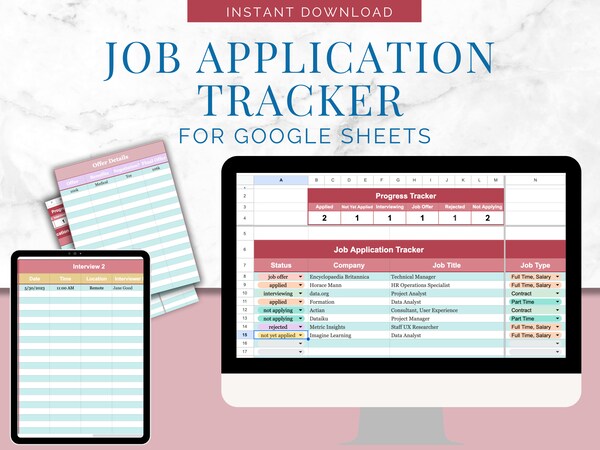
Modern professionals understand that successful job hunting requires systematic approaches rather than random application submissions. The ability to monitor application statuses, track interview schedules, and analyze response patterns becomes crucial for career development success. Google Sheets provides an ideal foundation for creating comprehensive job search management systems that transform chaotic application processes into organized, data-driven strategies.
The shift toward remote work and digital-first hiring processes has fundamentally altered how individuals approach career opportunities. Companies across industries now expect candidates to demonstrate technological proficiency alongside traditional qualifications. Building sophisticated tracking systems showcases analytical thinking, organizational skills, and technical competency that employers value highly in today's competitive marketplace.
Understanding the Foundation of Effective Job Search Management
Effective job search management transcends simple record-keeping and evolves into strategic career planning through data analysis and trend identification. Professionals who approach job hunting with systematic methodologies typically achieve better outcomes than those who rely on informal tracking methods. The integration of technology into career planning processes enables individuals to make informed decisions based on concrete data rather than subjective impressions.
Google Sheets offers unparalleled advantages for job search management through its cloud-based accessibility, collaborative features, and powerful analytical capabilities. Unlike traditional spreadsheet applications, Google Sheets provides real-time synchronization across devices, ensuring that job search information remains accessible regardless of location or device constraints. This flexibility proves invaluable during active job search periods when opportunities may arise unexpectedly.
The collaborative nature of Google Sheets enables job seekers to share progress with mentors, career counselors, or trusted advisors who can provide valuable insights and guidance. This transparency in the job search process often leads to networking opportunities, referrals, and strategic advice that significantly impact career outcomes. The platform's commenting and suggestion features facilitate meaningful discussions about career strategy and application approaches.
Essential Components of a Comprehensive Job Search Tracker
A well-designed job search tracker incorporates multiple data categories that capture both quantitative metrics and qualitative observations about the job hunting process. Company information forms the foundation of any tracking system, including organization names, industry classifications, company sizes, and cultural characteristics that influence application decisions. This information helps job seekers identify patterns in their preferences and target similar organizations more effectively.
Position details require careful documentation to ensure applications remain aligned with career objectives and skill sets. Job titles, required qualifications, salary ranges, and responsibilities should be recorded systematically to enable comparative analysis across opportunities. This detailed tracking helps identify skill gaps that may require additional training or certification, informing professional development decisions.
Application status tracking represents the core functionality of job search management systems. Comprehensive status categories should include application submitted, screening completed, interview scheduled, reference requested, offer received, and position closed. Additional subcategories can capture specific details about each stage, such as interview types, feedback received, and next steps communicated by hiring managers.
Contact information and communication logs provide invaluable references throughout extended job search processes. Recording hiring manager names, interview panel members, and key contact details ensures professional follow-up communications and facilitates relationship building within target industries. Communication timestamps and content summaries help maintain appropriate follow-up schedules and demonstrate continued interest in positions.
Designing Advanced Tracking Features and Analytics
Advanced job search trackers incorporate analytical features that transform raw application data into actionable insights about market trends, personal performance, and strategic opportunities. Response rate calculations help identify which application approaches generate the highest success rates, enabling job seekers to refine their strategies based on empirical evidence rather than assumptions.
Timeline analysis reveals patterns in hiring processes across different companies and industries, helping job seekers set realistic expectations and plan their search activities accordingly. Understanding typical response times for various application stages enables better scheduling of follow-up communications and prevents premature conclusions about application status.
Salary analysis features track compensation trends across positions and organizations, providing valuable market intelligence for negotiation purposes. By documenting salary ranges, benefits packages, and total compensation estimates, job seekers can make informed decisions about which opportunities align with their financial objectives and market value.
Geographic analysis becomes particularly relevant in today's hybrid work environment, where remote opportunities expand potential job markets significantly. Tracking position locations, remote work options, and travel requirements helps job seekers understand market dynamics and identify emerging opportunities in new geographic areas.
Implementation Strategies and Technical Setup
Creating effective job search trackers requires careful planning of data structure, formatting, and functionality to ensure long-term usability and scalability. The initial setup process should anticipate future needs and incorporate flexibility for evolving job search strategies. Proper column organization, data validation rules, and formatting standards prevent data quality issues that could compromise analytical accuracy.
Data validation features in Google Sheets ensure consistency in status tracking, company classifications, and other categorical information. Drop-down menus for frequently used values reduce data entry errors and accelerate the logging process during busy application periods. Conditional formatting rules can highlight important deadlines, overdue follow-ups, or high-priority opportunities through visual cues.
Formula integration enables automated calculations for response rates, application aging, and other metrics that provide ongoing insights into job search performance. These automated features reduce manual calculation requirements and ensure accuracy in analytical reporting. Advanced formulas can create dynamic dashboards that update automatically as new application data is entered.
Integration with other Google Workspace tools extends the functionality of job search trackers significantly. Google Calendar integration can automatically schedule follow-up reminders and interview appointments. Google Drive integration enables attachment of resumes, cover letters, and other application materials directly to tracker entries, creating comprehensive application archives.
Leveraging Data Analysis for Strategic Decision Making
Effective job search tracking generates valuable data that supports strategic decision making throughout the career planning process. Response rate analysis across different application channels helps identify the most effective job search methods, whether through company websites, recruitment platforms, networking contacts, or professional referrals. This intelligence enables focused effort allocation toward high-performing channels.
Industry analysis reveals market conditions, demand patterns, and competitive dynamics that influence job search strategies. Tracking application success rates across different industries helps job seekers understand where their skills are most valued and where opportunities are most abundant. This information supports strategic decisions about career pivots, skill development priorities, and geographic relocation considerations.
Temporal analysis identifies seasonal trends, market cycles, and optimal timing for job search activities. Understanding when companies typically hire, when decision-making processes slow down, and when new opportunities emerge enables strategic timing of applications and networking activities. This temporal intelligence can significantly impact overall job search success rates.
Interview performance analysis helps identify strengths and improvement areas in the selection process. Tracking interview types, questions encountered, feedback received, and outcomes enables continuous improvement in interview preparation and performance. This self-assessment approach leads to better interview results and increased offer rates over time.
Advanced Features and Customization Options
Sophisticated job search trackers can incorporate advanced features that provide comprehensive career management capabilities beyond basic application tracking. Goal setting and progress monitoring features help maintain motivation and accountability throughout extended job search periods. Monthly targets for applications submitted, networking meetings conducted, and skill development activities completed create structure and momentum.
Networking integration expands tracking capabilities to include professional relationship management, conference attendance, and informational interview activities. These broader career development activities often prove more valuable than direct applications in generating quality opportunities and career advancement.
Skills gap analysis features compare required qualifications across target positions with current capabilities, identifying specific areas for professional development investment. This strategic approach to skill building ensures that career development efforts align with market demands and target position requirements.
Market intelligence features track industry trends, company news, and economic indicators that influence hiring patterns and career opportunities. This broader market awareness enables proactive career planning and strategic positioning for emerging opportunities.
Integration with Professional Development and Learning
The connection between job search tracking and continuous learning becomes increasingly important in rapidly evolving technology landscapes. Professionals must demonstrate ongoing skill development and adaptation to changing market requirements. Job search trackers can integrate professional development activities, certification progress, and learning objectives to create comprehensive career management systems.
Educational technology platforms provide numerous opportunities for skill enhancement and certification that directly support career advancement goals. Tracking completion of relevant courses, certifications earned, and new skills acquired demonstrates commitment to professional growth that employers value highly. This documentation also supports salary negotiation efforts and career advancement discussions.
The integration of learning analytics with job search data reveals connections between skill development activities and market opportunities. Understanding which skills are most in demand, which certifications provide the highest return on investment, and which learning paths lead to target positions enables strategic educational planning that maximizes career outcomes.
For individuals seeking to enhance their analytical and technical skills, Uncodemy offers comprehensive programs that directly support effective job search management and career advancement. Their Data Analytics Course provides essential skills for analyzing job market trends, salary data, and application performance metrics that enhance strategic decision making throughout the career planning process.
The Business Intelligence and Data Visualization Program at Uncodemy equips professionals with advanced analytical capabilities that prove valuable both in job search management and in demonstrating technical competency to potential employers. These skills enable creation of sophisticated tracking systems and compelling data presentations that differentiate candidates in competitive selection processes.
Uncodemy's Google Workspace and Productivity Tools Course specifically addresses the technical skills required for maximizing Google Sheets functionality in professional contexts. Participants learn advanced formulas, data analysis techniques, and automation features that transform basic spreadsheets into powerful business intelligence tools.
Industry Applications and Career Development Impact
Job search tracking systems find applications across numerous industries and career levels, from recent graduates entering their first professional positions to senior executives planning strategic career transitions. The principles remain consistent while specific tracking categories and analytical focuses adapt to different career stages and industry requirements.
Technology sector professionals benefit from tracking technical skill requirements, certification preferences, and emerging technology trends reflected in job postings. This market intelligence informs both immediate job search strategies and long-term career planning decisions about skill development and specialization areas.
Healthcare professionals can track licensing requirements, specialization opportunities, and geographic market conditions that influence career opportunities and compensation levels. The detailed tracking of regulatory requirements and continuing education needs becomes particularly valuable in highly regulated professional environments.
Business and consulting professionals leverage job search tracking to understand client industry preferences, service area demands, and competitive positioning requirements. This market intelligence supports both job search activities and independent consulting opportunity evaluation.
Performance Optimization and Success Metrics
Measuring job search effectiveness requires comprehensive metrics that capture both activity levels and outcome quality. Application volume metrics track the quantity of applications submitted, interviews secured, and offers received, providing baseline measures of search activity and market response. However, quality metrics often prove more valuable for strategic planning purposes.
Conversion rate analysis examines the percentage of applications that progress through various stages of the selection process, from initial screening to final offers. These metrics help identify bottlenecks in the application process and areas for improvement in application materials or interview performance.
Time-to-offer metrics track the duration from initial application to job offer acceptance, providing realistic expectations for job search timelines and enabling better financial and logistical planning during career transitions. Understanding typical hiring timelines also supports strategic timing of application submissions and follow-up activities.
Quality metrics assess the alignment between secured positions and career objectives, including salary achievement, role responsibilities, company culture fit, and growth opportunities. These qualitative measures ensure that job search success is measured not just by offer quantity but by career satisfaction and advancement potential.
Future Trends and Technology Integration
The evolution of job search management continues to accelerate with advancing technology and changing workplace dynamics. Artificial intelligence integration promises to automate routine tracking tasks, analyze market trends, and suggest strategic improvements to job search approaches. Early adopters of these emerging technologies will gain significant advantages in competitive job markets.
Mobile accessibility becomes increasingly important as job search activities shift toward smartphone and tablet platforms. Cloud-based tracking systems like Google Sheets provide inherent mobile compatibility, but optimization for mobile workflows requires careful consideration of interface design and data entry efficiency.
Integration with professional networking platforms, job boards, and applicant tracking systems streamlines data collection and reduces manual entry requirements. These integrations ensure comprehensive tracking while minimizing administrative overhead during busy job search periods.
Predictive analytics capabilities will enable job search tracking systems to forecast market trends, identify emerging opportunities, and suggest optimal timing for career moves. These advanced analytical capabilities transform reactive job searching into proactive career planning.
Professional Development and Skill Enhancement Pathways
Building expertise in job search management and data analysis represents valuable professional development that extends far beyond immediate career planning needs. These analytical and organizational skills prove valuable in numerous professional contexts, from project management to business operations and strategic planning.
The technical skills required for advanced Google Sheets functionality, including complex formulas, data visualization, and automation features, directly translate to valuable workplace capabilities. Employers increasingly value professionals who can independently create analytical tools and reporting systems that support business decision making.
Understanding data analysis principles and statistical concepts enables professionals to contribute meaningfully to business intelligence initiatives and strategic planning processes. These quantitative skills complement domain expertise and enhance career advancement opportunities across industries.
The systematic approach to problem solving demonstrated through effective job search management translates to numerous professional challenges, from process improvement initiatives to strategic planning projects and performance optimization efforts.
Conclusion and Strategic Implementation
Effective job search management through comprehensive Google Sheets tracking systems represents a strategic approach to career development that demonstrates both technical competency and analytical thinking capabilities valued by modern employers. The investment in building sophisticated tracking systems pays dividends throughout extended job search periods and provides valuable data for ongoing career planning activities.
The combination of systematic data collection, analytical insight generation, and strategic decision making transforms job searching from a reactive activity into a proactive career management strategy. Professionals who embrace these methodologies typically achieve better outcomes in shorter timeframes while building valuable skills that enhance their overall marketability.
Success in implementing comprehensive job search tracking requires commitment to consistent data entry, regular analysis of trends and patterns, and willingness to adapt strategies based on empirical evidence. The disciplined approach to career management demonstrated through effective tracking systems often impresses potential employers and contributes to positive hiring decisions.
The technical skills, analytical capabilities, and strategic thinking required for effective job search management align perfectly with the competencies that drive career success in technology-driven business environments. Professionals who master these approaches position themselves advantageously for both immediate job search success and long-term career advancement opportunities.
As the job market continues to evolve with technological advancement and changing workplace dynamics, systematic approaches to career management become increasingly valuable. The foundational skills demonstrated through comprehensive job search tracking provide competitive advantages that extend throughout professional careers, making this investment in career management methodology both immediately practical and strategically valuable for long-term success.