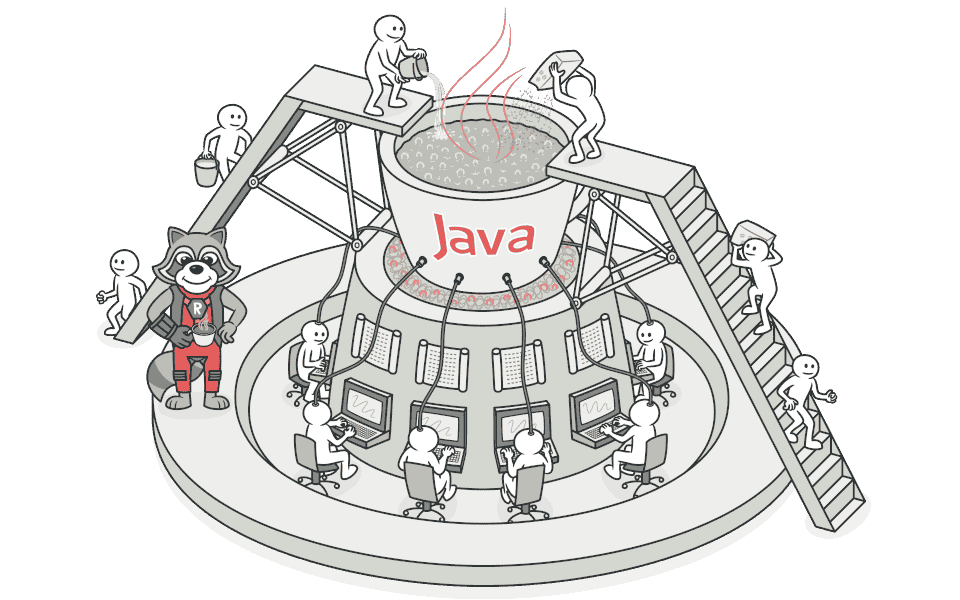
In this guide, we’ll explore key design patterns in Java, their categories, real-life examples, and why mastering them is essential for any developer. We’ll also share how Uncodemy’s Java Course in Noida can help you implement these patterns with confidence.
📌 What Are Design Patterns?
A design pattern is a general, reusable solution to a recurring problem in software design. It’s not a finished piece of code but a template that can be adapted to different situations.
Benefits of Using Design Patterns in Java:
- Promotes code reusability and maintainability.
- Encourages best practices in software design.
- Makes your code easier to understand and modify.
- Improves communication between developers (patterns have standard names).
📌 Categories of Design Patterns
Design patterns are typically classified into three main categories:
1. Creational Patterns – Focus on object creation.
2. Structural Patterns – Focus on object composition.
3. Behavioral Patterns – Focus on communication between objects.
1. Creational Design Patterns in Java
Creational patterns deal with the instantiation of objects in a way that is flexible and decoupled from the code.
a) Singleton Pattern
- Purpose: Ensures only one instance of a class exists and provides a global access point to it.
- Example in Java:
java
CopyEdit
Copy Code
public class Singleton {

    private static Singleton instance;

    private Singleton() {}

    public static Singleton getInstance() {

        if (instance == null) {

            instance = new Singleton();

        }

        return instance;

    }

}- Real-world analogy: A printer spooler in an OS where only one spooler instance is allowed.
b) Factory Method Pattern
- Purpose: Defines an interface for creating objects but lets subclasses decide which class to instantiate.
- Example:
java
CopyEdit
Copy Code
interface Shape {

    void draw();

}

class Circle implements Shape {

    public void draw() { System.out.println("Circle"); }

}

class ShapeFactory {

    public Shape getShape(String type) {

        if (type.equalsIgnoreCase("circle")) return new Circle();

        return null;

    }

}- Use case: When you have multiple subclasses and want to decide the object type at runtime.
c) Builder Pattern
- Purpose: Separates object construction from its representation.
- Example: Used in StringBuilder and complex object creation like Car objects with optional parts.
d) Prototype Pattern
- Purpose: Creates new objects by copying existing ones (cloning).
- Example: Implementing Cloneable interface in Java.
2. Structural Design Patterns in Java
Structural patterns deal with how classes and objects are composed to form larger structures.
a) Adapter Pattern
- Purpose: Allows incompatible interfaces to work together.
- Example:
java
CopyEdit
Copy Code
interface MediaPlayer {

    void play(String audioType, String fileName);

}

class AudioPlayer implements MediaPlayer {

    public void play(String audioType, String fileName) {

        if(audioType.equalsIgnoreCase("mp3")) {

            System.out.println("Playing mp3: " + fileName);

        }

    }

}- Real-world analogy: A power adapter that lets you plug a US device into a European socket.
b) Decorator Pattern
- Purpose: Dynamically adds new behavior to objects without altering their structure.
- Example: Java’s BufferedReader wrapping FileReader.
c) Composite Pattern
- Purpose: Treats individual objects and compositions of objects uniformly.
- Example: File and folder hierarchy in Java’s file system APIs.
d) Proxy Pattern
- Purpose: Provides a placeholder or surrogate for another object to control access.
- Example: Lazy initialization of heavy objects like database connections.
3. Behavioral Design Patterns in Java
Behavioral patterns deal with communication between objects and responsibilities.
a) Observer Pattern
- Purpose: One-to-many dependency where changes in one object notify all dependents.
- Example: Java’s java.util.Observer and Observable (deprecated in newer Java, but still a good example).
- Real-world analogy: A YouTube subscription system where subscribers get notified when a creator uploads new content.
b) Strategy Pattern
- Purpose: Defines a family of algorithms and makes them interchangeable.
- Example:
java
CopyEdit
Copy Code
interface PaymentStrategy {

    void pay(int amount);

}

class CreditCardPayment implements PaymentStrategy {

    public void pay(int amount) {

        System.out.println("Paid " + amount + " using Credit Card");

    }

}- Use case: Payment systems with multiple payment methods.
c) Command Pattern
- Purpose: Encapsulates requests as objects, allowing undo/redo functionality.
- Example: GUI buttons triggering actions.
d) Iterator Pattern
- Purpose: Provides a way to access elements of a collection without exposing its internal structure.
- Example: Java’s Iterator interface.
📌 Why Use Design Patterns in Java?
1. Standardized Solutions – Prevents reinventing the wheel.
2. Improved Code Quality – Encourages clean, maintainable architecture.
3. Better Communication – Developers understand each other’s intent quickly.
4. Flexibility & Scalability – Easily adapt and extend applications.
📌 Learn Java Design Patterns with Uncodemy
Mastering these patterns can make you stand out in interviews and improve your project architecture.
Uncodemy’s Java Course in Noida offers:
- Deep dive into OOP principles.
- Hands-on projects implementing design patterns.
- Real-world case studies.
- Expert mentorship and interview preparation.
Whether you’re a beginner or looking to upgrade your Java skills, this course ensures you can confidently apply patterns in enterprise applications.
📌 Final Thoughts
Object-Oriented Design Patterns in Java are a vital skill for any serious developer. They not only make your code robust and maintainable but also ensure you’re aligned with industry best practices. By learning patterns like Singleton, Factory, Observer, and Strategy, you’re better prepared for both technical interviews and real-world projects.
If you want to implement these patterns in Java with practical examples, a structured program like Uncodemy’s Java Course in Noida is an excellent starting point.