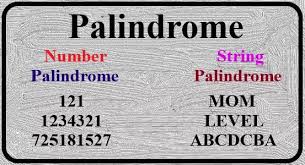
Have you ever thought about words that read the same forwards and backwards? Words like "radar," "level," or "madam" have a unique quality that makes them interesting from both a language and programming point of view. These words are called palindromes. Learning to create a palindrome program is one of the most basic exercises in programming education.
If you're exploring programming ideas through Uncodemy's data structure courses in Noida, you'll see that palindrome programs are a great way to start with string manipulation, loops, and logical thinking. These programs not only help you grasp basic programming concepts but also build a foundation for more advanced algorithmic thinking.
A palindrome program checks if a string or number reads the same from left to right and from right to left. This simple idea opens up many programming possibilities and helps students understand basic concepts like reversing strings, comparing values, and using conditional statements.
In structured programs like Uncodemy's data structure courses in Noida, you'll find that palindrome programs are often a starting point for more complex topics. They introduce the idea of algorithm efficiency and various ways to solve the same problem.
The appeal of a palindrome program is its simplicity and flexibility. Whether you are working with strings like "racecar" or numbers like 12321, the basic logic stays the same, though the implementation can differ between programming languages.
Python Implementation
Python offers perhaps the most elegant approach to creating a palindrome program. The language's built-in string methods and slicing capabilities make it incredibly straightforward to implement palindrome checking.
                    python
                    def is_palindrome(text):
                        # Convert to lowercase and remove spaces
                        cleaned_text = text.lower().replace(" ", "")
                        # Check if string equals its reverse
                        return cleaned_text == cleaned_text[::-1]

                    # Test the function
                    test_word = "A man a plan a canal Panama"
                    if is_palindrome(test_word):
                        print(f"'{test_word}' is a palindrome!")
                    else:
                        print(f"'{test_word}' is not a palindrome.")
This Python palindrome program demonstrates how concise and readable code can be. The slice notation [::-1] reverses the string, making the comparison straightforward. Students in Uncodemy's data structure courses in Noida often appreciate Python's readability when learning these fundamental concepts.
Java Implementation
Java takes a more verbose but equally effective approach to palindrome programs. The object-oriented nature of Java provides excellent learning opportunities for understanding method creation and string handling.
                    java
                    public class PalindromeChecker {
                        public static boolean isPalindrome(String str) {
                            // Remove spaces and convert to lowercase
                            str = str.toLowerCase().replaceAll("\\s", "");

                            int left = 0;
                            int right = str.length() - 1;

                            while (left < right) {
                                if (str.charAt(left) != str.charAt(right)) {
                                    return false;
                                }
                                left++;
                                right--;
                            }
                            return true;
                        }

                        public static void main(String[] args) {
                            String testString = "racecar";
                            if (isPalindrome(testString)) {
                                System.out.println(testString + " is a palindrome!");
                            }
                        }
This Java palindrome program uses the two-pointer technique, which is particularly valuable for understanding algorithmic thinking. It's an approach that students frequently encounter in comprehensive programming courses.
C++ Implementation
C++ provides low-level control that helps students understand memory management and efficient string processing in palindrome programs.
JavaScript's flexibility makes it perfect for creating interactive palindrome programs that can run in web browsers.
                    javascript
                    function isPalindrome(str) {
                        // Clean and normalize the string
                        const cleaned = str.toLowerCase().replace(/[^a-z0-9]/g, '');

                        // Compare with reversed string
                        const reversed = cleaned.split('').reverse().join('');
                        return cleaned === reversed;
                    }

                    // Example usage
                    const testPhrase = "Was it a car or a cat I saw";
                    console.log(isPalindrome(testPhrase) ?
                        `"${testPhrase}" is a palindrome!` :
                        `"${testPhrase}" is not a palindrome.`);
The Educational Value of Palindrome Programs
Creating palindrome programs has several educational benefits beyond just checking if text reads the same forwards and backwards. These programs introduce students to important programming concepts that serve as a foundation for more advanced topics found in courses like those offered by Uncodemy's data structure courses in Noida.
String manipulation is the most apparent skill gained from palindrome programs. Students learn to process text, remove unwanted characters, change case, and make comparisons. These skills are key for anyone serious about programming and are often needed in real-world applications.
The logical thinking involved in palindrome programs also enhances problem-solving skills. Students must consider edge cases, explore different approaches, and improve their solutions. This type of analytical thinking is vital for addressing more complex programming challenges.
Advanced Palindrome Concepts
While basic palindrome programs check simple strings, more developed versions can handle complex cases. For example, you could make a palindrome program that ignores punctuation, spaces, and capitalization. This would allow phrases like "A man, a plan, a canal: Panama" to register as palindromes.
Performance optimization is crucial when working with large strings. Instead of making reversed copies of strings, efficient palindrome programs use two-pointer techniques to compare characters from both ends as they move inward. This method reduces memory use and improves performance.
Recursive versions of palindrome programs provide another chance to learn. They help students grasp recursive thinking and function calls. These ideas become especially useful when moving on to more advanced data structure topics.
Real-World Applications
Understanding palindrome programs isn't just a theory. The ideas learned while building these programs apply to many real-world situations. DNA sequence analysis often involves palindromic patterns. Web development needs string validation and processing. Data validation often uses similar comparison techniques.
The pattern recognition skills gained from palindrome programs connect directly to more complex problems. Students who grasp these basics usually feel more ready for tougher topics like dynamic programming, string algorithms, and pattern matching.
Learning Path and Progression
Starting with palindrome programs provides a strong foundation for programming education. The concepts learned here naturally lead to more complex string techniques, recursive thinking, and eventually to more sophisticated data structures and algorithms.
Learning programs recognize this progression and often use palindrome programs as introductory exercises for tougher topics. The skills gained from creating these programs, such as logical thinking, string manipulation, and algorithm design, become the basis of programming knowledge.
Students who have a solid grasp of palindrome programs are often well-prepared to take on more advanced challenges, like implementing hash tables, working with linked lists, or designing complex algorithms.
Building Confidence Through Practice
The charm of palindrome programs is not only in how they work, but also in how they boost programming confidence. When students create their first working palindrome program, they have that important "aha!" moment. This moment turns abstract ideas into real achievements. The confidence gained is vital for keeping motivation high when facing tougher programming topics. Many students see that learning palindrome programs gives them the belief they need to handle complex data structures. This foundational confidence often plays a key role in long-term success in programming education.
Conclusion
Palindrome programs offer more than a simple coding challenge; they serve as a way to grasp basic programming concepts that every developer should learn. Whether you are writing your first lines of code or getting ready for more advanced programming tasks, these programs provide great learning opportunities.
The shift from basic palindrome programs to advanced algorithmic thinking shows the rewarding path of programming education. Each programming language presents its own insights and benefits, making palindrome programs a useful tool for exploring various programming styles.
For those who want to become programmers, mastering palindrome programs opens up more advanced subjects and builds the confidence needed to face tougher challenges. The logical thinking, string manipulation, and understanding of algorithms developed through these exercises form the groundwork of programming skills that will benefit you throughout your career.
Frequently Asked Questions (FAQs)
What is a palindrome program?
A: A palindrome program checks if a given string or number reads the same forwards and backwards, like "radar" or "12321."
Which programming language is best for learning palindrome programs?
A: Python is often recommended for beginners due to its simple syntax, while Java and C++ offer more detailed control and learning opportunities.
Are palindrome programs useful in real applications?
A: Yes, the concepts learned from palindrome programs apply to DNA analysis, data validation, pattern recognition, and various string processing tasks.
How do you handle spaces and punctuation in palindrome programs?
A: Most advanced palindrome programs remove spaces, punctuation, and convert text to lowercase before checking for palindromic properties.
What programming concepts do palindrome programs teach?
A: They teach string manipulation, loops, conditional logic, algorithm optimization, and problem-solving approaches that are fundamental to programming.