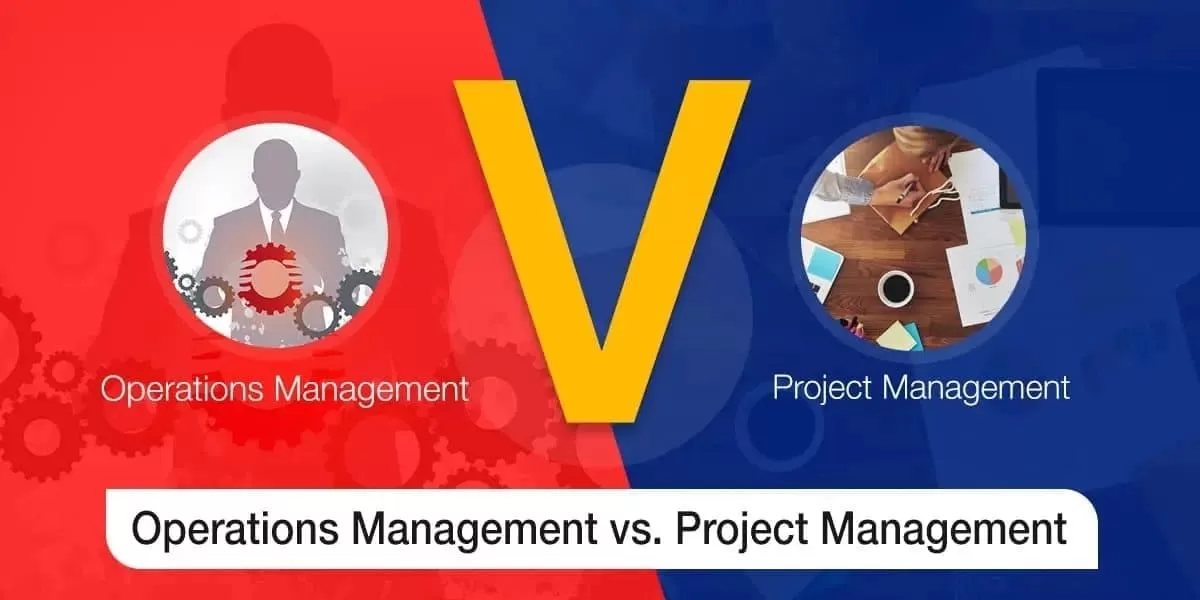
Many professionals erroneously assume that these two management methods are similar and can be used interchangeably. In reality, the basic difference between project and operations management is quite large and it will affect the way an organization functions, allocates resources, and determines how it meets its objectives. The following is a deeper discussion of these two concepts, which will expand your ability to use each appropriately.
What is Project Management?
Mr. Irshad Khan / 1 day ago - 0
- 8 min read
Project management resembles organizing a single event, such as a wedding or building a house. A project manages temporary endeavors with specific start and end dates, unique deliverables, and predetermined goals. Due to these factors, each project is unique, has its own challenges, and requires a custom-fit project management process to be successful.
In a business setting, projects could include activities such as developing a new product, installing software systems, conducting market research, or reorganizing the company structure. Each of these activities has identified beginning and end points, with specific goals and objectives to achieve within a stated set of timeframes and budgets.
As you participate in project management studies through the business analyst course in Noida, you will find that the key components to successful project management include planning, monitoring resources, assessing risk management, and continuous monitoring of the overall project to keep tasks flowing to successfully meet the quality of deliverables required and stakeholder expectations.
Understanding Operations Management
Operations management, in contrast, is really like managing the daily operations of a restaurant kitchen. Operations management is about the management of ongoing, repetitive activities that a successful organization must pursue on a day-to-day basis. This is the day-to-day business activity that collectively creates value for customers and continues the organization's competitive position within its relevant marketplace.
Operations management is concerned with managing continuous processes such as manufacturing products, providing customer service, managing supply chain activities, processing payroll, or managing information technology. Importantly, unlike a project, operations are not temporary activities within a specified time frame or defined project end date; operations continue as long as the business is a going concern.
The operations management function or capability is concerned with efficiency, quality, cost, and reliability of daily service delivery. Operations management is about achieving excellence in repetitive tasks, perfecting the process, and attempting continuous improvement to existing activities.
Core Differences Between Project and Operations Management
Understanding the difference between project and operations management becomes clearer when we examine their fundamental characteristics:
Purposes and Objectives
Projects involve a commitment to creating something new, or to creating something, and thereby realizing change. Projects are unique outputs that have not existed before. An example of a project would be writing a mobile application or developing a new market, as the organization will have never done either of these before.
Operations focus on how to sustain and optimize existing systems and processes. The goal is to keep things running smoothly and at a favorable level of efficiency. An example of operational work would be managing ongoing sales operations or processing customer orders, as both represent activities that sustain business as usual.
Duration and Timeline
Projects have specific start and end dates. They are temporary by nature and are meant to accomplish specific objectives within a specified time frame. Usually, once the project objectives are accomplished, the project is done, and the team will usually disperse into other projects.
Operations are ongoing and continuous. They do not have end dates because they are the core activities that keep businesses going. As long as the organization is in existence as well, operational activities continue, often with minor improvements or tweaks over time.
Resources and Teams
Project teams are typically put together especially for each project and consist of individuals with a variety of skills required to meet project goals. Members of the team may temporarily collaborate despite coming from different departments. Team members either rejoin other projects or go back to their regular roles after the project is finished.
Usually permanent, operations teams are made up of individuals with specialised knowledge in particular functional domains. These groups gain in-depth knowledge of their fields and collaborate constantly to preserve and enhance established procedures.
Planning Approach
Detailed scheduling, resource allocation, risk assessment, and milestone setting are all part of project planning. Although plans are thorough, they frequently need to be modified when new information becomes available or situations change. Developing thorough project plans and tracking advancement against them takes a lot of time for project managers.
Continuous improvement, standardisation, and optimisation are the main goals of operations planning. Making incremental improvements, defining performance metrics, and developing repeatable procedures are the main points of emphasis. The goals of operations managers are to boost productivity, decrease unpredictability, and eradicate waste.
Why Both Matter in Business Success
Because successful organisations require both approaches, it becomes crucial to understand the differences between project and operations management. While operations offer consistency and stability, projects foster innovation and change. Businesses that struggle with operations but excel at projects may create excellent products but not deliver them consistently. On the other hand, businesses that focus on operations but neglect projects may become proficient in antiquated procedures while rivals innovate and gain market share.
The most prosperous companies carefully balance project and operations work, as many professionals learning business analysis in Noida find out. They employ projects to adopt new technologies, pursue expansion prospects, and adjust to shifting market conditions. At the same time, they use operations management to keep costs under control, maintain quality, and provide customers with consistent value.
Career Opportunities and Growth
Numerous career paths become available when one understands the distinction between operations and project management. After initially focusing on one area, many professionals go on to acquire expertise in both approaches.
Project managers, program managers, change management specialists, and business transformation consultants are examples of professions that are centred on projects. These positions frequently entail travel, variety, and exposure to various challenges and industries.
Operations managers, supply chain managers, quality managers, and process improvement specialists are examples of occupations with an operations focus. These roles often provide deep expertise in specific industries and the opportunity to make significant long-term impacts on organizational efficiency.
Many senior executives combine both skill sets, using project management to drive strategic initiatives while using operations management to ensure consistent execution and performance. This combination is particularly valuable for business analysts, which is why a comprehensive business analyst course in Noida typically covers both areas.
Future Trends and Considerations
As businesses embrace new technologies and approaches, the distinction between project and operations management keeps changing. With some organisations treating continuous product development as continuous projects rather than discrete initiatives, agile and lean approaches are erasing traditional boundaries.
Digital transformation is changing the way operations are managed while also generating new kinds of projects. Automation, artificial intelligence, and cloud computing are revolutionising operational and project delivery procedures.
Hybrid approaches that integrate operations and project thinking are becoming more and more popular among organisations. Professionals who are knowledgeable in both fields and have the flexibility to apply them according to particular needs and circumstances will benefit from this trend.
Building Your Management Foundation
In today's cutthroat business world, knowing the difference between project and operations management is essential to company success. Gaining proficiency in both strategies will greatly increase your employability and your capacity to produce significant outcomes, regardless of whether you're thinking about enrolling in a business analyst course in Noida or hoping to progress in your current position. For the greatest organisational impact, it is crucial to understand when to use each strategy and how to combine them successfully. Understanding these fundamental distinctions and developing the abilities to succeed in both areas is the first step on your path to management excellence.
Frequently Asked Questions (FAQs)
Q: Can someone work in both project and operations management simultaneously?
A: Yes, many professionals work in hybrid roles that combine both approaches. Business analysts, program managers, and senior executives often use both skill sets regularly.
Q: Which career path offers better growth opportunities?
A: Both paths offer excellent growth opportunities. The best choice depends on your interests, skills, and career goals. Many successful executives have experience in both areas.
Q: Do I need different certifications for project versus operations management?
A: Yes, each field has specific certifications. Project management offers PMP, PRINCE2, and Agile certifications, while operations offers Six Sigma, Lean, and ITIL certifications.
Q: How do I decide which approach to use for a specific business challenge?
A: Consider whether the challenge involves creating something new (project) or improving existing processes (operations). Some challenges might require both approaches.
Q: Is one approach more important than the other for business success?
A: Both are equally important. Projects drive innovation and change, while operations provide stability and efficiency. Successful organizations excel at both.