Splunk Interview Questions and Answers for Beginners and Experts
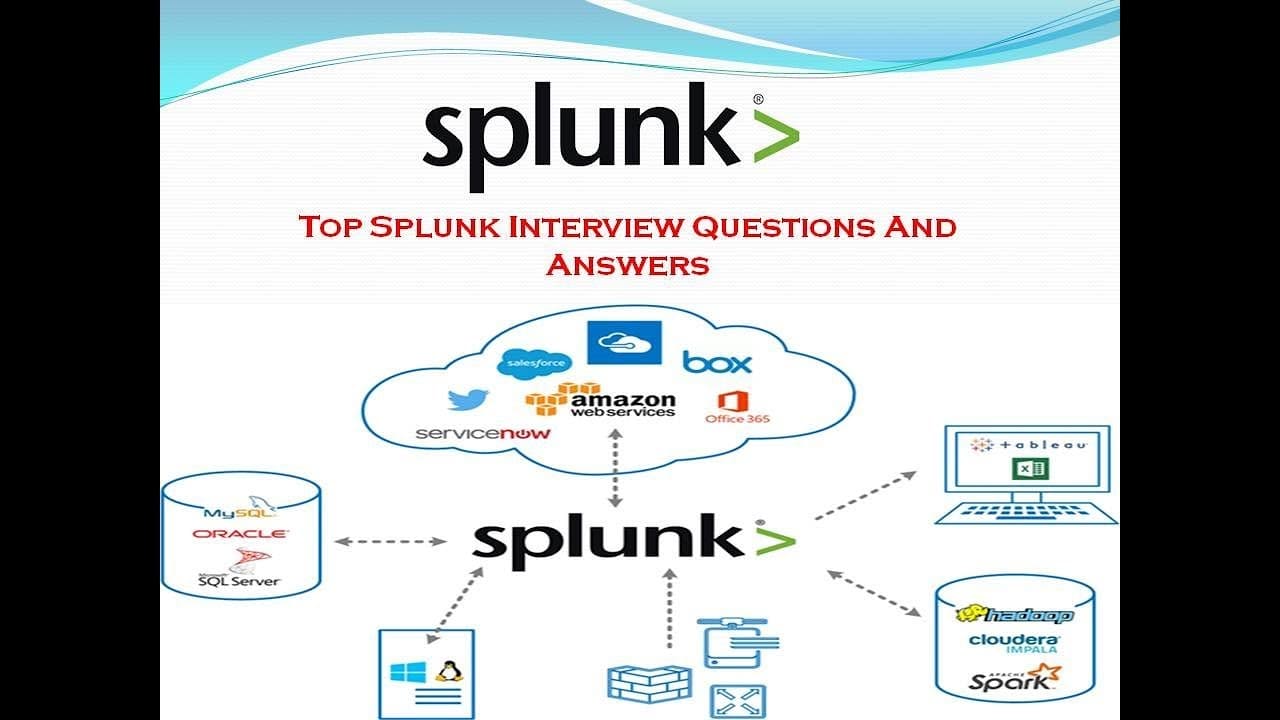
I’ve been through a bunch of these interviews and helped folks prep, so I’m sharing the go-tosplunk interview questions you’re likely to face, plus some tips on how to nail them, from beginner to expert level. Let’s jump in.
What’s Splunk Anyway?
Before we get to the questions, here’s the quick scoop on Splunk: It’s basically a Swiss Army knife for data from machines. Think of all the logs your servers, apps, and devices spit out — Splunk collects that mess, makes sense of it, and helps you spot issues or trends fast. Companies love it because it saves time and can catch problems before they blow up.
Beginner Questions — The Basics You Should Know
If you’re just getting your feet wet, these are the kinds of questions you’ll hear:
1. What is Splunk, and what does it do?
Honestly, this is where you say: Splunk is a platform that takes machine data, like logs, and helps you search, analyze, and visualize it so you can monitor systems and troubleshoot issues.
2. What’s a forwarder in Splunk?
Imagine a little messenger sending logs from a server to Splunk’s brain (the indexer). That’s a forwarder. Theuniversal forwarderjust ships raw data, while the heavy forwardercan do some preprocessing.
3. What’s an index?
Think of an index as Splunk’s filing cabinet where all the data gets stored, ready to be searched.
4. What’s a sourcetype?
It’s how Splunk knows what kind of data it’s dealing with — like a label that helps it parse and understand the log format.
5. How do you write a basic search?
A typical search looks like this:index=main error — you’re asking Splunk to find logs in the “main” index that mention errors. Simple, right?
For the Experts — Let’s Get Into The Nitty-Gritty
If you’re a pro or just want to impress, here are some tougher questions coming your way:
1. How do you make your searches run faster?
Don’t just throw a wildcard everywhere! Narrow down time ranges, use specific indexes, and avoid heavy commands likejoinunless absolutely needed. Summary indexing can also speed things up if you run the same reports often.
2. What’s the deal with Splunk’s data buckets?
Splunk organizes data in buckets — hot, warm, cold, and frozen — depending on how recent the data is. Hot and warm are fast and searchable, cold is slower, and frozen is archived or deleted based on retention rules.
3. How do you troubleshoot Splunk itself?
Look into the_internal index — that’s where Splunk logs its own health info. Querying index=_internalhelps you spot errors or performance issues.
4. What’s the difference between tags and event types?
Tags are labels you slap on fields or event types to group data better, while event types are saved search patterns that categorize events. They help you organize and search smarter.
5. How do lookups work?
A lookup is like a little cheat sheet — you bring in extra data from CSV files or external sources to enrich your Splunk events. For example, mapping user IDs to names for easier analysis.
6. How do you set up alerts?
Alerts are saved searches with conditions. When triggered, they can email you, run scripts, or call APIs to notify about problems in real time.
Tips To Crush Your Splunk Interview
- Play with the tool:Nothing beats hands-on practice. Use the free Splunk trial or sandbox environments. Run searches, build dashboards, try lookups.
- Relate answers to real life:Interviewers love stories. Talk about how you solved a problem using Splunk or what insights you found that made a difference.
- Don’t just memorize — understand:Knowing definitions is good, but explaining why and how shows real mastery.
- Brush up on recent Splunk features:Like the Machine Learning Toolkit or Splunk Cloud — it shows you’re keeping current.
- Ask questions too:Interviews are two-way. Ask about their Splunk setup or challenges. Shows interest and sparks a better conversation.
Wrapping Up
Getting ready for a Splunk interview can be daunting, but breaking it down into basics and advanced topics helps you prepare step-by-step. Whether you’re fresh out of a Splunk course or a seasoned user, the key is to keep practicing, be curious, and share your real experiences.
You got this. Go in confident, speak clearly, and let your passion for data shine. Splunk interviews are less about trick questions and more about showing you can think and solve problems with real machine data.
Good luck, and I’m rooting for you!
Frequently Asked Questions (FAQs)
Q1: Is Splunk easy to learn for beginners?
A: Yes! Splunk has a user-friendly interface and tons of documentation. With some hands-on practice—especially using the Splunk Free version or online sandbox—you can grasp the basics quickly. Start with searches, dashboards, and alerts.
Q2: What are the most commonly asked Splunk interview questions?
A: Interviewers often start with:
- What is Splunk and its core components?
- Difference between a universal and heavy forwarder?
- How do you write and optimize searches?
- How do lookups and dashboards work?
- What are Splunk’s data bucket stages?
More advanced questions may cover:
- Troubleshooting with the _internal index
- Summary indexing
- Real-time alerting
- Splunk apps like Machine Learning Toolkit
Q3: Do I need to know coding for Splunk?
A: Not necessarily. Basic Splunk search queries (SPL – Search Processing Language) don’t require coding experience. However, for advanced tasks—like custom scripts for alerts or app development—knowing Python or shell scripting helps.
Q4: What's the difference between Splunk Enterprise and Splunk Cloud?
A:Splunk Enterprise is deployed and managed on-premises or in your own cloud infrastructure. Splunk Cloud is a fully managed cloud service provided by Splunk, offering similar features with less overhead for infrastructure.
Q5: How important are dashboards in Splunk interviews?
A: Very important! Dashboards are one of Splunk’s most powerful features. Expect questions about:
- Creating visualizations (charts, tables)
- Using tokens for dynamic inputs
- Best practices for performance optimization
Q6: What should I do if I get a scenario-based question I’ve never worked on?
A: Be honest, but don’t freeze. Talk through your thought process: how you would approach the problem using logs, searches, alerts, or dashboards. Show logical thinking and a willingness to explore.
Q7: Are certifications necessary to land a Splunk job?
A: Certifications aren’t mandatory but definitely help. Popular ones include:
- Splunk Core Certified
- Splunk Core Certified Power User
- Splunk Enterprise Certified Admin
They validate your skills and boost your credibility in interviews.



















