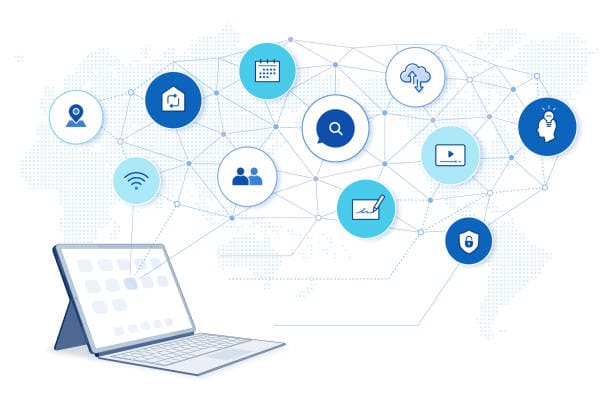
This shift isn’t just about storing files online or using web-based applications—it’s about fundamentally transforming how organizations operate, innovate, and scale. Enterprises now rely on cloud-based ecosystems for collaboration, remote work, automation, and intelligent decision-making. Amid this transformation, understanding how these systems communicate and transfer data is vital for ensuring performance and reliability.
Organizations of all sizes are shifting toward scalable and flexible cloud systems to boost efficiency, reduce costs, and accelerate innovation. One of the often-overlooked components that determine the success of such a transition is the strength and efficiency of network connectivity.
Individuals aiming to future-proof their careers are increasingly turning to a reputable cloud computing course to understand the intricacies of this domain. However, while most courses emphasize cloud models, storage, and deployment strategies, they may not always highlight the importance of connectivity. This article bridges that gap by exploring how seamless networking underpins cloud functionality, what technologies are involved, and the best practices that ensure secure, reliable access.
The Foundation of Cloud Architecture
Mr.Upendra Kumar Tiwar / 19 day ago - 13
- 12 min read
When data is moved, stored, or processed in the cloud, the role of networking becomes evident. A robust network infrastructure allows users and applications to interact with cloud-hosted services regardless of geographic location. Whether it's accessing an app from a mobile device, managing large data workloads, or ensuring real-time collaboration between distributed teams, the key enabler is a stable, high-performing network.
Behind every seamless digital interaction lies a complex web of network routes, protocols, and virtual connections. These elements must function flawlessly together to maintain service availability, uphold data integrity, and deliver the low-latency experience that today’s users demand. As businesses grow, so does their reliance on these invisible yet essential networks.
The concept of network connectivity in cloud computing revolves around linking clients, servers, data centers, and applications through virtual and physical connections. These links can range from high-speed fiber-optic cables to virtual private networks (VPNs), software-defined networks (SDNs), and even satellite communications. The overarching goal is to minimize latency, maximize throughput, and ensure that data moves smoothly and securely.
Components that Enable Efficient Connectivity
Several building blocks contribute to ensuring efficient cloud connectivity. The most critical among them include:
- Virtual Networks: These create isolated environments within the cloud to securely link cloud-based resources. Virtual networks facilitate segmentation, allowing for tighter control over traffic flows and improved performance.
- Gateways: These act as bridges between on-premises systems and cloud platforms. They enable secure and seamless communication, essential for hybrid and multi-cloud strategies.
- Load Balancers: Often used to distribute incoming traffic across multiple servers, load balancers help maintain service availability and optimize resource utilization.
- Content Delivery Networks (CDNs): By caching data at edge locations closer to users, CDNs enhance load times and reduce strain on central servers.
- DNS Management: Proper domain name system (DNS) configuration is necessary to ensure fast and accurate redirection of user queries to the correct cloud endpoints.
Understanding these components in depth is a part of what makes a comprehensive cloud computing course valuable for aspiring professionals.
Network Models Supporting Cloud Infrastructure
Cloud platforms rely on a range of network models to deliver their services. The three most prevalent configurations include:
- Public Networks: These are open systems that allow internet-based access to cloud resources. While they are cost-effective and widely accessible, they also require advanced security protocols to mitigate threats.
- Private Networks: Reserved for specific organizations, private networks provide enhanced control and security. They are often preferred by sectors dealing with sensitive information such as healthcare and finance.
- Hybrid Connectivity: Combining public and private networks, hybrid solutions offer flexibility and scalability without compromising on security. They are particularly suitable for businesses in transition or those with legacy systems that need integration with cloud platforms.
Regardless of the model, the aim is always the same: to ensure consistent and secure access to resources with minimal latency and maximum uptime.
Importance of Latency and Bandwidth
For cloud systems to perform optimally, latency and bandwidth must be finely tuned. Latency refers to the delay experienced in data transfer, while bandwidth denotes the volume of data that can be transmitted in a given time. High latency and low bandwidth can severely degrade the user experience, especially in real-time applications such as video conferencing, online gaming, or financial trading platforms.
Optimizing network connectivity in cloud computing involves choosing data center locations closer to end-users, leveraging edge computing, and implementing smart traffic routing techniques. These strategies collectively reduce lag and increase data flow efficiency, which is vital for time-sensitive operations.
Here’s why both metrics are critical for network performance in cloud environments:
- Smooth User Experience: Low latency ensures real-time interaction, which is essential for services like video streaming, voice calls, and live support.
- Efficient Application Performance: Applications hosted on the cloud rely on fast data transfer. Delays can slow down loading times, resulting in reduced productivity and user dissatisfaction.
- Scalability of Services: High bandwidth supports simultaneous access by large numbers of users without a drop in performance, making it crucial for scalable cloud applications.
- Support for Data-Intensive Workloads: Tasks involving big data analytics, backups, or media rendering demand substantial bandwidth to function efficiently.
- Improved Disaster Recovery: Quick data replication across regions during backup or recovery processes relies on high bandwidth and minimal latency.
- Competitive Advantage: Businesses with faster cloud access can respond more quickly to market demands, giving them a significant operational edge.
- Optimized Costs: Better bandwidth management reduces the need for repeated data requests and unnecessary overhead, cutting costs over time.
Security Considerations in Cloud Networking
While the flexibility of cloud networks offers many advantages, it also opens the door to new security challenges. Data traversing the internet or shared infrastructures is vulnerable to threats such as data interception, unauthorized access, and DDoS attacks. Implementing stringent security measures is, therefore, non-negotiable.
Encryption protocols, secure access gateways, and firewalls are standard tools for protecting cloud communications. Identity and Access Management (IAM) systems ensure that only authorized personnel can access specific resources. Network segmentation further strengthens defense mechanisms by isolating critical workloads and restricting lateral movement in case of a breach.
A detailed cloud computing course will typically cover these security fundamentals, preparing learners to architect secure cloud environments and implement best practices.
Best Practices for Reliable Connectivity
To maximize the benefits of cloud systems, organizations must embrace a series of best practices that ensure reliability and performance. Some of the most effective strategies include:
- Redundancy and Failover Planning: By setting up multiple paths for network traffic and incorporating failover mechanisms, businesses can maintain service continuity even in case of disruptions.
- Monitoring and Diagnostics: Regularly tracking network performance through analytics tools helps detect bottlenecks and preemptively address issues.
- Scalable Bandwidth: Choosing flexible network plans that adjust bandwidth based on demand prevents performance dips during traffic spikes.
- Compliance with Standards: Adhering to global standards such as ISO 27001 or NIST frameworks ensures that network configurations meet industry-approved safety and reliability benchmarks.
- Regular Updates: Keeping firmware and software components of the networking stack up-to-date helps close vulnerabilities and enhance efficiency.
Cloud Connectivity Trends to Watch
The future of network connectivity is being shaped by several emerging trends. Technologies such as 5G and Wi-Fi 6 are poised to offer unprecedented speeds and lower latency, which will significantly improve cloud performance. Meanwhile, edge computing is decentralizing data processing, bringing computing power closer to users and reducing dependence on centralized data centers.
Artificial Intelligence and Machine Learning are also making inroads into cloud networking. Smart algorithms can now predict traffic patterns, automate responses to anomalies, and optimize routing in real time. These capabilities are particularly valuable in large-scale environments where manual intervention is impractical.
Additionally, businesses are exploring multi-cloud strategies to avoid vendor lock-in and increase resilience. This trend necessitates more complex connectivity solutions but also enhances flexibility and service availability.
For anyone looking to dive into these evolving technologies, enrolling in a well-rounded cloud computing course is a logical first step. Such programs not only provide theoretical knowledge but also offer practical training on tools and platforms that are shaping the digital landscape.
Conclusion:
Cloud environments are only as powerful as the networks that connect them. From facilitating global collaboration to supporting real-time applications, network connectivity is a silent workhorse behind the cloud's versatility. As digital transformation accelerates, the need for well-architected and secure network infrastructures will become even more critical.
Whether you're an IT professional, a business decision-maker, or someone looking to upskill through a cloud computing course, understanding the principles of connectivity will greatly enhance your grasp of cloud solutions. By embracing best practices and staying abreast of technological trends, you’ll be better equipped to navigate and harness the full potential of cloud ecosystems.