Use AI to Detect Fake Reviews in E-Commerce Websites

The problem with fake reviews

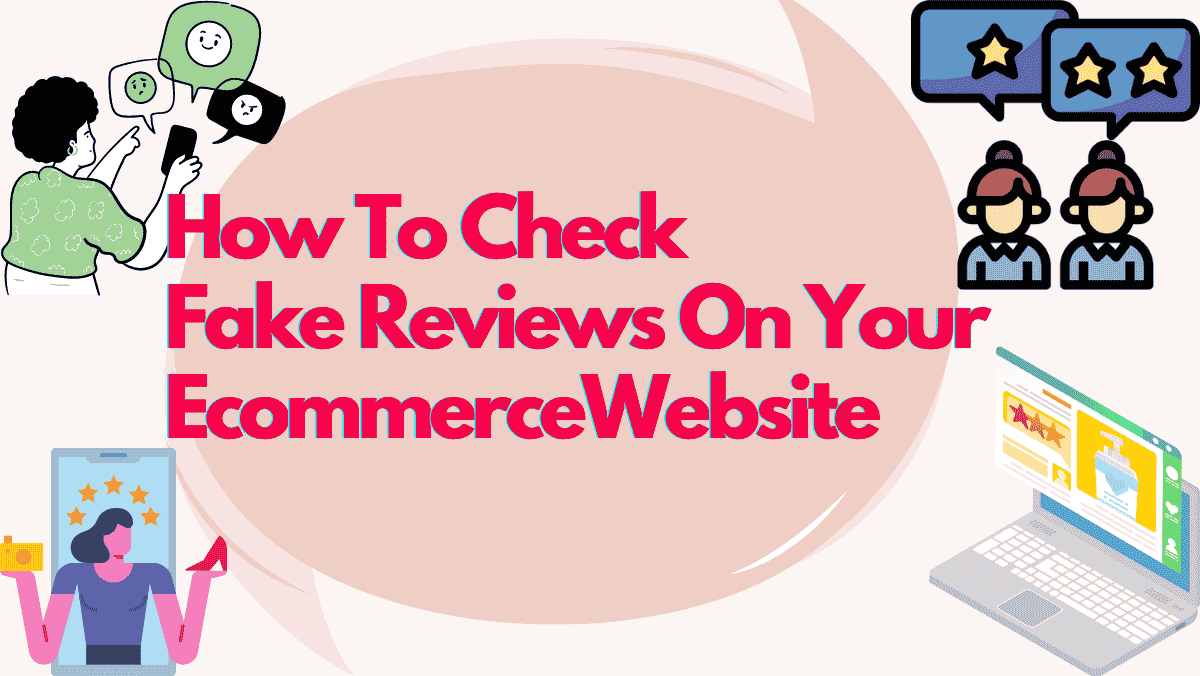
Here’s the thing: online shopping is amazing—but it’s also messy. You’re deciding between two products, reading reviews, and thinking, “This one looks great… but can I trust it?” Fake reviews are everywhere. Some products get five-star ratings from bots. Others are dragged down by competitors leaving one-star spam. As a shopper, it’s frustrating.

Build an Expense-Sharing App for Groups and Friends

  • As a seller, it’s a nightmare. Your hard-earned reputation can be ruined overnight.
  • How AI helps

  • This is where AI comes in. Instead of manually sifting through thousands of reviews, AI can analyze patterns, detect suspicious behavior, and flag reviews that look fake.
  • For example, AI can spot:
  • Repeated phrases or unnatural language.
     
  • Reviewers posting multiple reviews in a short time.
     
  • Overly generic or extreme opinions.
     
  • By learning from known examples of fake reviews, AI becomes smarter over time. It can act like a watchdog for both buyers and sellers.
  • How it works in practice

  • Here’s a simplified flow:
  • Collect review data – Gather all reviews from the site.
     
  • Preprocess text – Clean the data, remove emojis, special characters, and normalize text.
     
  • AI analysis – Use NLP models to classify reviews as genuine or suspicious.
     
  • Flag suspicious reviews – Mark them for further inspection or hide them from users.
     
  • Optional reporting – Generate a dashboard for sellers showing potential fake reviews.
     
  • It’s not magic—it’s pattern recognition at scale.
  • A story from Uncodemy

  • One of our students, let’s call her Priya, was working on an e-commerce project. During testing, she noticed some products had 5-star reviews that seemed… off. Same wording, same tone, repeated across multiple products.
  • At Uncodemy, she built a prototype AI tool to detect fake reviews. After feeding the model thousands of reviews, the AI highlighted suspicious ones with a confidence score. She ran it on her test site and realized that almost 20% of the reviews were likely fake.
  • Priya said, “It felt like I had X-ray vision. Suddenly, I could see which reviews were real and which were spam. For shoppers, this could save hours of wasted trust. For sellers, it protects credibility.”
  • Why this matters

  • Fake reviews don’t just mislead shoppers—they undermine trust in the whole platform. AI tools like this make e-commerce safer and fairer.
  • At Uncodemy, we love projects like this because they combine coding, AI, and real-world impact. Students aren’t just learning machine learning—they’re solving problems people actually face every day.
  • Tips for building it

  • Start with small datasets to test your model before scaling.
     
  • Consider multiple features—text patterns, timing, reviewer behavior.
     
  • Balance detection and false positives—flag suspicious reviews without punishing genuine users.
     
  • Provide transparency—show confidence levels or reasoning so sellers understand the AI’s decisions.
  • Wrapping it up

  • AI-powered fake review detection isn’t about catching people—it’s about protecting users and building trust. A well-built system ensures shoppers make informed decisions, sellers maintain credibility, and the platform stays reliable.
  • At Uncodemy, projects like this teach more than coding—they teach responsibility. You’re not just creating software; you’re creating tools that impact real people’s decisions every day.
  •  

Placed Students

Our Clients

Partners

...

Uncodemy Learning Platform

Uncodemy Free Premium Features

Popular Courses









