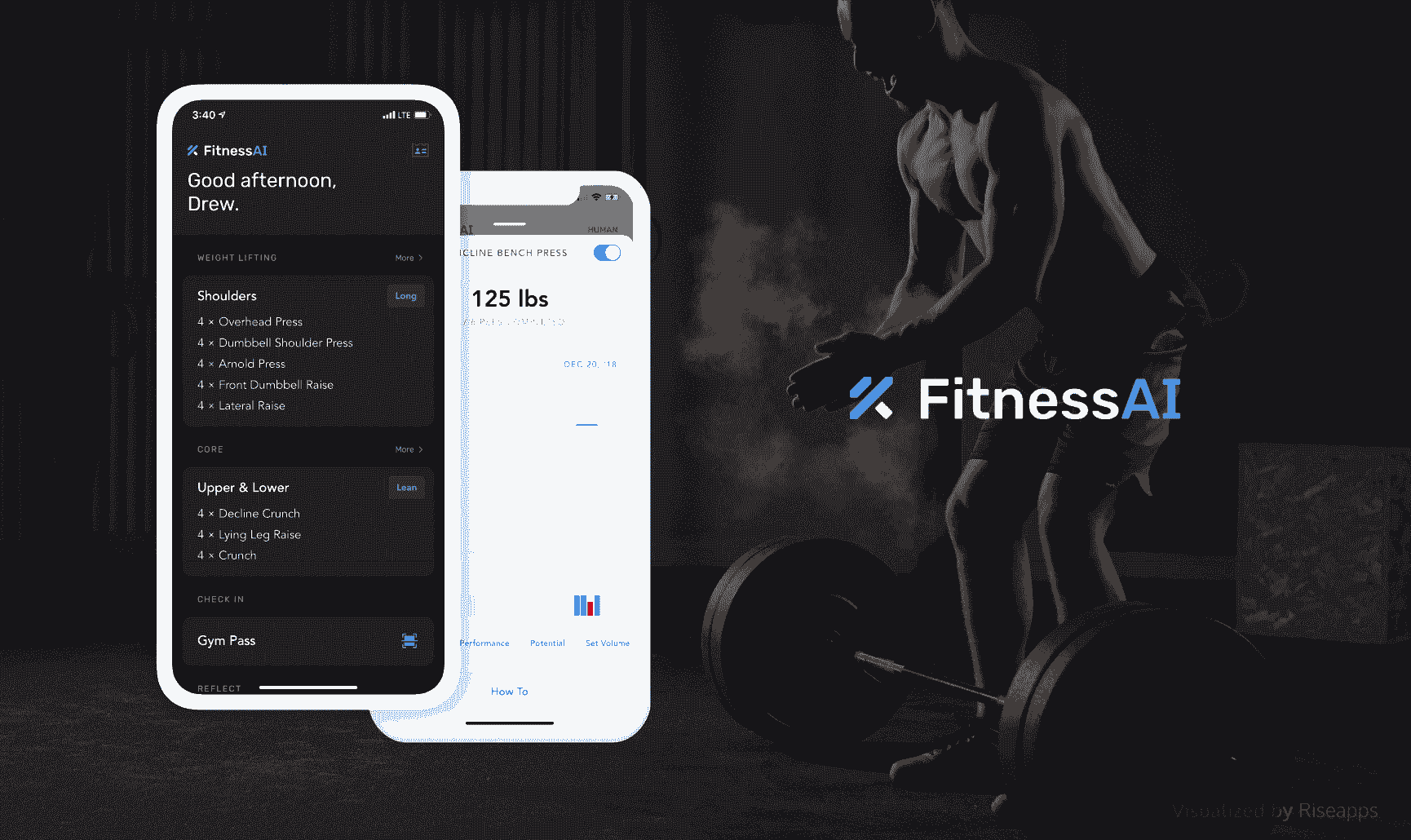
One of the most promising applications of AI in fitness apps is the ability to generate daily workout routines tailored to each individual. Instead of generic exercise plans that often fail to suit personal needs, AI makes it possible to create customized fitness programs based on user data, preferences, and goals. This approach not only makes workouts more effective but also keeps users engaged and motivated.
Why AI for Workout Routines?
Traditional workout apps usually provide a fixed set of routines categorized by fitness goals such as “weight loss,” “muscle gain,” or “cardio.” While helpful, they lack personalization. For example, two people aiming to lose weight may have very different fitness levels, medical histories, or lifestyle habits. Giving them the same workout plan may lead to frustration or even injury.
This is where AI comes in. With the ability to analyze large datasets and real-time user input, AI can design workouts that evolve as the user progresses. It’s like having a personal trainer in your pocket–constantly learning, adjusting, and motivating.
How AI Generates Daily Workout Routines
The process of generating AI-powered workouts involves multiple steps:
1. Data Collection
The foundation of AI-based workout planning lies in the data. Apps typically collect the following information:
Age, gender, and body measurements
Fitness goals (e.g., weight loss, strength, flexibility, stamina)
Current fitness level (beginner, intermediate, advanced)
Lifestyle patterns (sleep quality, activity level, diet)
Health conditions or injuries
Available time for workouts and preferred exercise style
The more data an app collects (with user consent), the more accurate and personalized the workout routines can become.
2. Data Analysis and Prediction
AI uses this data to predict the best types of workouts for the user. For example:
If a user sleeps poorly, the app may recommend lighter exercises like yoga or stretching instead of heavy strength training.
If someone has a knee injury, the app will avoid high-impact exercises like jumping squats and suggest alternatives such as swimming or cycling.
Machine learning models can detect patterns and predict what kind of exercises will yield the most benefits for a particular individual.
3. Workout Routine Generation
After analyzing the data, the AI generates a daily workout plan. This could include:
Warm-up and cooldown exercises
Main workout (strength training, cardio, HIIT, yoga, etc.)
Suggested duration and repetitions
Intensity adjustments based on user progress
For example, if you managed 20 push-ups yesterday, the AI might recommend 22 today to push your limits slightly while still keeping things achievable.
4. Real-Time Adjustments
One of the most powerful features of AI-driven fitness apps is real-time adjustment. If your wearable device shows a higher-than-usual heart rate during a workout, the app may lower the intensity. Similarly, if you’re progressing faster than expected, it can recommend more challenging exercises.
5. Gamification and Motivation
AI also tracks consistency and progress, using motivational nudges. It can reward you with badges, show your weekly progress charts, or even use chatbots to keep you engaged with encouraging messages.
Benefits of AI-Generated Workout Routines
AI brings multiple advantages compared to static workout plans:
1. Personalization at Scale
Each user receives a routine that fits their body type, goals, and preferences. This level of personalization, previously only possible with personal trainers, is now accessible to anyone with a smartphone.
2. Dynamic Progression
AI ensures routines evolve as the user improves. Beginners can start with simpler exercises and gradually progress to advanced levels without feeling overwhelmed.
3. Injury Prevention
By analyzing user health data, AI avoids recommending exercises that might cause harm. For instance, people with back pain won’t be assigned heavy deadlifts right away.
4. Motivation Through Feedback
AI can provide real-time feedback and encouragement. For example, if you missed a workout, it might adjust the following day’s routine instead of penalizing you.
5. Time Efficiency
For users with limited time, AI can design effective 15–20 minute routines that maximize results using high-intensity interval training (HIIT) or circuit-style exercises.
Examples of AI in Fitness Apps
Several fitness apps already use AI in creative ways:
Freeletics: Generates daily workout routines using AI based on your progress and preferences.
Fitbod: Suggests strength-training workouts by analyzing your logged sessions and muscle recovery.
Aaptiv Coach: Provides adaptive workout and lifestyle coaching using AI.
These apps show how effective AI can be in creating personalized, engaging fitness experiences.
Technologies Behind AI-Driven Workouts
Developing such AI-powered systems requires a combination of different technologies:
1. Machine Learning Algorithms: Analyze user data and predict optimal workout plans.
2. Natural Language Processing (NLP): Enables AI chatbots to provide interactive coaching and motivational support.
3. Computer Vision: Used in apps that monitor your workout form through your camera and provide corrective feedback.
4. Wearable Integration: Devices like smartwatches supply real-time heart rate, calories burned, and sleep data to enhance personalization.
By combining these technologies, fitness apps can deliver a truly intelligent and adaptive workout experience.
Challenges in Implementing AI for Fitness
While AI has massive potential, there are also challenges:
1. Data Privacy Concerns: Fitness apps deal with sensitive health data. Ensuring strong security and transparency is essential.
2. Accuracy of Recommendations: If the AI misinterprets data, it could suggest ineffective or unsafe exercises.
3. User Trust: Many people are skeptical of AI-driven routines and may prefer human trainers. Building trust through accuracy and safety is key.
4. Accessibility: AI features often require premium subscriptions, which may exclude users who can’t afford them.
Future of AI in Fitness Apps
Looking ahead, AI in fitness apps will become even more advanced:
Hyper-Personalized Training: AI could design workouts down to the smallest detail-such as exercise order, rest time, and even music choice to boost performance.
AI-Powered Virtual Trainers: Using augmented reality (AR), users may one day exercise alongside realistic AI trainers who guide their form in real time.
Holistic Health Integration: Future apps may combine workout planning with nutrition, mental health, and sleep coaching for an all-in-one wellness solution.
Predictive Health Alerts: By analyzing long-term data, AI may detect early signs of health issues (like overtraining or chronic fatigue) and recommend preventive steps.
Final Thoughts
When we step back and look at the journey of integrating AI into fitness apps, it’s clear that technology is no longer just an accessory to health–it’s becoming a partner. AI-generated workout routines aren’t just about convenience; they’re about personalization, adaptability, and long-term sustainability. Traditional one-size-fits-all gym charts or fixed fitness plans often failed because they didn’t adapt to each individual’s needs. But AI changes the game by creating routines that adjust daily, considering variables like progress, recovery, energy levels, and even mood—an innovation made possible through concepts learned in an Artificial Intelligence course. That adaptability makes workouts smarter, safer, and more engaging.
Another powerful aspect lies in accountability and motivation. Most people struggle not because they don’t know what to do, but because they lack consistency. AI-driven fitness apps bridge this gap with nudges, gamified challenges, and progress tracking. They don’t just tell you what to do; they help you want to do it. By offering realistic, incremental steps and celebrating small wins, AI transforms exercise from a burden into a habit. That’s a big deal in a world where lifestyle diseases are on the rise due to sedentary routines.
Of course, it’s not all perfect. AI in fitness should never aim to replace human trainers completely. Trainers bring emotional connection, empathy, and real-world judgment that machines can’t fully replicate. But instead of competing, AI and trainers can complement each other. Imagine a fitness coach who uses AI analytics to understand your progress, sleep quality, or nutritional habits–suddenly, their guidance becomes sharper and more tailored. It’s the best of both worlds: human touch powered by machine intelligence.
Looking ahead, the future feels exciting. We might soon see apps that integrate AI with wearables, smart gyms, or even AR/VR experiences that simulate workout environments. Think of doing yoga in a peaceful digital forest or cardio in a virtual mountain climb, all guided by AI that tracks your heart rate and adjusts intensity in real time. This blend of personalization, immersion, and innovation will redefine how people engage with fitness.
At its core, AI in fitness isn’t just about exercise–it’s about empowerment. It allows people of different ages, body types, and goals to find something that works for them. Whether you’re a beginner afraid to step into a gym, a busy professional trying to squeeze workouts into a packed day, or an athlete chasing performance goals, AI makes the journey smoother. It democratizes fitness, making it more inclusive and accessible.
So, the big takeaway is simple: AI isn’t here to complicate your fitness journey; it’s here to simplify and enhance it. By building smarter, more personalized routines, AI brings structure where there’s confusion, motivation where there’s hesitation, and progress where there’s stagnation. It’s a shift from guessing what works to knowing what works. And in that transformation lies the real promise of the future of fitness.