These include button labels, error messages, form instructions, tooltips, notifications, onboarding messages, and more. While they might seem minor, their impact is enormous. A well-crafted piece of microcopy can guide users intuitively, reduce frustration, encourage engagement, and even reflect a brand’s personality. Conversely, poorly written microcopy can confuse users, make an app feel impersonal, and even lead to frustration and app abandonment.
Crafting effective microcopy requires empathy, creativity, and precision. Designers must understand user behavior, anticipate challenges, and communicate instructions in the clearest way possible. Enter AI tools like ChatGPT, which are revolutionizing how designers approach microcopy. By providing quick, intelligent suggestions, ChatGPT allows designers to focus more on strategy and user experience while ensuring every word resonates with the audience.
What is ChatGPT and Why It Helps in Microcopy Design
ChatGPT, developed by OpenAI, is an advanced language model capable of generating human-like text. Trained on an extensive dataset covering books, articles, websites, and more, ChatGPT can produce content that is contextually accurate and engaging.
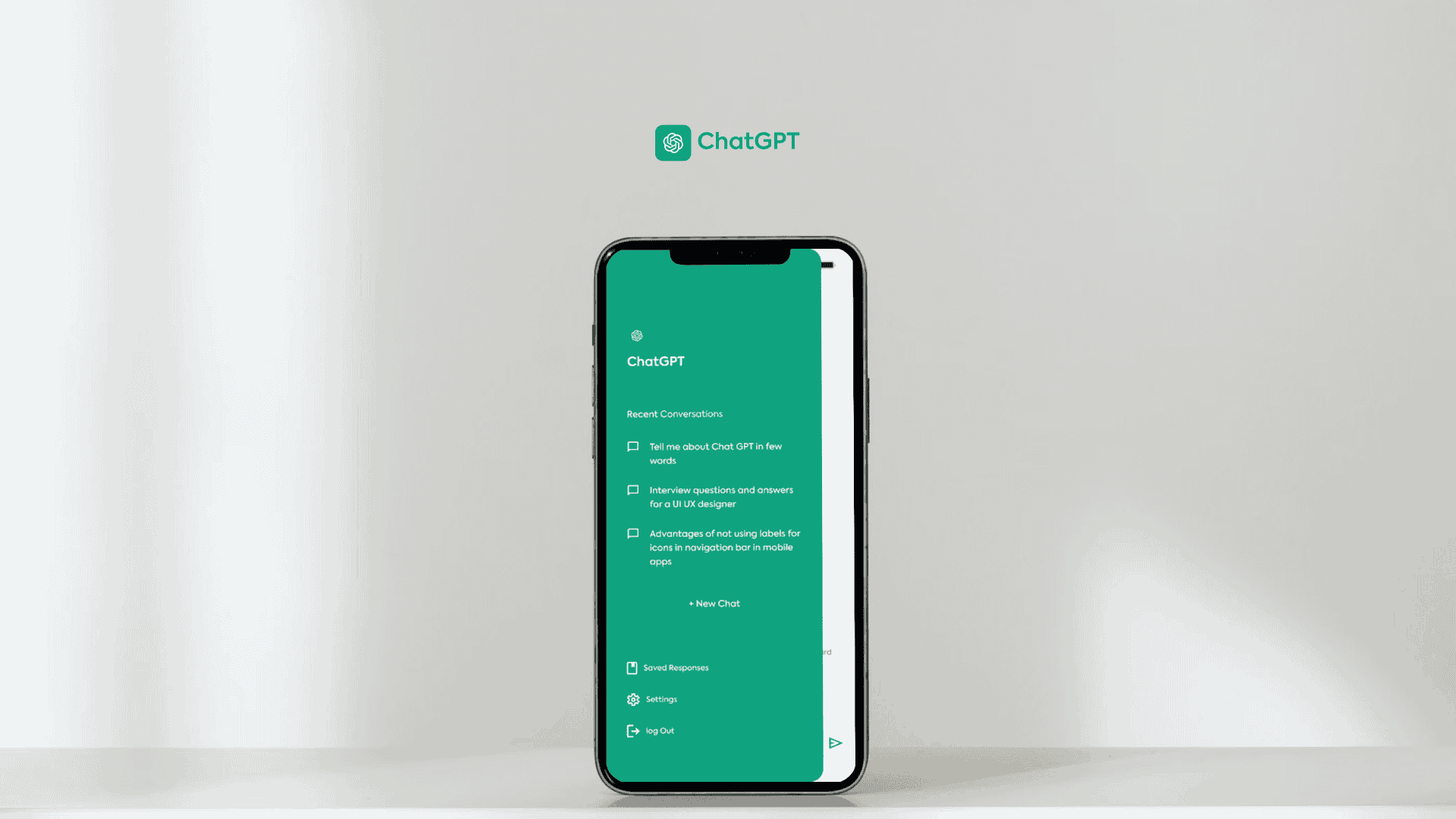
In the context of mobile app design, ChatGPT can generate, refine, and optimize microcopy efficiently. Designers can use it to brainstorm multiple variations of a message, experiment with different tones, or adapt content for specific audiences.
For example, a fitness app may want to celebrate a user completing a workout. ChatGPT could generate:
- “Great job! You crushed your workout today.”
- “You did it! Keep up the momentum and stay strong.”
- “Every step counts. Fantastic effort today.”
These options provide designers with a starting point to choose the most suitable tone for their app. ChatGPT’s suggestions can be refined further to perfectly match the brand voice. Over time, this process can also help designers develop a library of tone-consistent messages for repeated use, saving time and maintaining brand consistency.
Why ChatGPT is a Game Changer for Microcopy
Speed and Efficiency: Writing microcopy manually can be slow, especially when testing multiple tones or variations. ChatGPT provides several options in seconds, saving designers valuable time.
Consistency in Tone: Maintaining a consistent voice across an app is crucial. ChatGPT can produce content that adheres to a specific tone, whether playful, formal, motivational, or casual.
Creativity Boost: AI can offer creative phrasing that designers may not have considered. This helps make microcopy more engaging, human, and relatable.
Localization Support: For apps targeting global audiences, microcopy often needs translation and cultural adaptation. ChatGPT can generate contextually relevant messages in different languages while keeping the meaning intact.
Improved Usability: Clear and concise microcopy reduces user errors and confusion. ChatGPT can suggest messages that are easy to read, understand, and follow.
Rapid Experimentation: Designers can quickly experiment with different approaches, test various CTAs, or explore multiple phrasings for notifications and instructions, helping determine what resonates most with users.
Best Practices for Using ChatGPT in Microcopy Design
To get the most out of ChatGPT, designers should follow a few key practices:
- Provide Context: Clearly explain the app’s purpose, the screen in question, the target audience, and the desired tone. This ensures the AI generates contextually relevant microcopy.
- Iterate and Refine: ChatGPT’s output is a starting point. Designers should review suggestions, tweak phrasing, and test how well the copy aligns with the app’s goals.
- Test with Users: Even excellent microcopy needs validation. Conduct usability tests to observe how users interact with the text and adjust as necessary.
- Keep It Concise: Microcopy should be short and clear. Avoid jargon and unnecessary words. ChatGPT can help condense messages without losing meaning.
- Match the User’s Emotional State: Microcopy should reflect the user’s situation. Error messages should be reassuring rather than alarming. Onboarding messages should be encouraging and friendly.
- Document and Maintain a Style Guide: Use ChatGPT to help create a microcopy style guide that ensures consistency across all screens and app updates.
Real-World Examples of ChatGPT in Microcopy Design
Companies across industries are leveraging ChatGPT for better user engagement:
- Fitness Apps: Motivational messages can increase user retention. ChatGPT helps generate phrases like “You crushed it today! Keep moving forward” or “Every rep counts. Excellent work.”
- Food Delivery Apps: Notifications about order status can be more human and engaging. ChatGPT can create messages like “Your pizza is on the way. Get ready to enjoy!” instead of plain text like “Order is out for delivery.”
- Finance Apps: Transaction confirmations and reminders can feel warmer. For instance, “Success! Your payment went through safely” is more user-friendly than a bland “Payment processed.”
- E-commerce Apps: During checkout, microcopy such as “Almost there! Just a few clicks to complete your order” can reduce cart abandonment. ChatGPT can help generate multiple variations of these messages, testing which resonates best with users.
- Educational Apps: Microcopy for tips, hints, and instructions can make learning more enjoyable. ChatGPT can suggest friendly and motivating ways to guide students through lessons without overwhelming them.
- Healthcare Apps: Appointment reminders, wellness tips, and medication alerts written with a compassionate tone can increase user compliance and satisfaction. ChatGPT can help generate empathetic and clear instructions.
These examples show how small pieces of text can dramatically influence user experience and engagement.
Learning More: Uncodemy Course Recommendation
For anyone interested in mastering microcopy and UX writing, the Uncodemy course UX Writing and Microcopy for Mobile Apps in Noida is an excellent resource. This course covers:
- Fundamentals of UX writing
- Crafting microcopy for buttons, forms, notifications, and onboarding flows
- Aligning microcopy with brand voice and app tone
- Leveraging AI tools like ChatGPT to accelerate content creation
By taking this course, designers can gain practical insights into creating microcopy that enhances usability, encourages engagement, and strengthens the overall user experience.
Advanced Tips for Designing Engaging Microcopy
- Experiment with Tone and Personality: ChatGPT allows you to try different tones for the same message. Playful, motivational, professional, or empathetic tones can dramatically change how users perceive your app.
- Personalize When Possible: Microcopy that feels personal connects with users. Include the user’s name, location, or recent activity where relevant. ChatGPT can help craft personalized messages at scale.
- Focus on User Goals: Every microcopy element should guide users toward achieving their goal. ChatGPT can help rephrase messages to make them more user-centric.
- Use Positive Language: Encourage users with optimistic phrasing, especially in error messages or notifications. For instance, “Almost there! Let’s try again” feels more supportive than “Error. Please retry.”
- Test Multiple Variations: Generate multiple microcopy options using ChatGPT and conduct A/B tests to identify which version works best for your audience.
- Stay Authentic: Even when using AI, ensure that the microcopy reflects the brand’s voice and feels human. Avoid robotic or overly formal language that may alienate users.
- Monitor User Feedback: ChatGPT can help you reword microcopy based on analytics or user feedback, ensuring continuous improvement and relevance.
- Think Beyond Text: Combine microcopy with visuals, animations, or icons to reinforce meaning. ChatGPT can suggest complementary text that enhances the overall UX.
Conclusion
Microcopy may be small, but it has a tremendous impact on mobile app usability, engagement, and brand perception. Tools like ChatGPT make it easier for designers to generate, refine, and optimize microcopy efficiently. By providing detailed prompts, iterating on suggestions, and testing with users, designers can craft messages that feel natural, human, and helpful.
AI tools are reshaping how we approach design. ChatGPT is not a replacement for human creativity but a powerful assistant that enhances the design process. Designers can focus more on strategy, empathy, and innovation while letting AI help with ideation and refinement.
For anyone looking to improve their skills in UX writing and microcopy, the Uncodemy course UX Writing and Microcopy for Mobile Apps provides practical guidance, techniques, and actionable insights. By mastering microcopy, designers can create mobile apps that are not only functional but also delightful, engaging, and human-centered.
Whether you are designing a new app or improving an existing one, using ChatGPT to craft microcopy ensures every word counts. Small words, carefully written, can transform the user experience, making your app more intuitive, relatable, and successful. With consistent practice, strategic use of AI, and user-focused testing, every line of microcopy can contribute to a memorable app experience. Start exploring AI-assisted microcopy today and see how the right words can make a big difference.