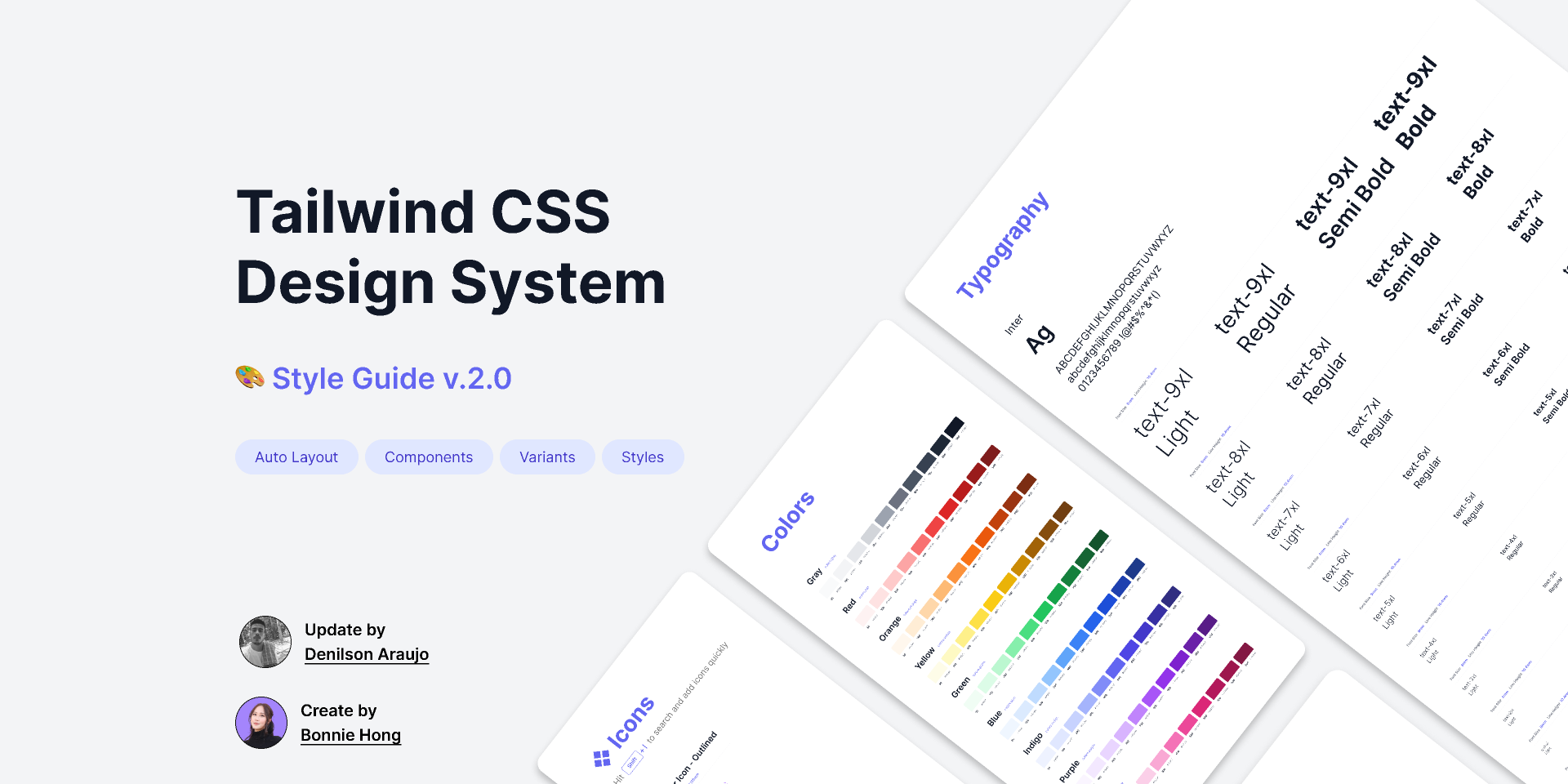
Modern web development practices emphasize the critical importance of design efficiency and component reusability that enable teams to focus on business logic and user experience rather than repetitive styling tasks. Tailwind UI has emerged as a powerful solution that combines utility-first CSS principles with professionally designed components, offering developers comprehensive design systems that accelerate development while ensuring visual consistency and responsive behavior across diverse devices and screen sizes.
The implementation of Tailwind UI components represents a sophisticated approach that enables developers to build professional-grade interfaces with minimal custom styling while maintaining complete design control and customization flexibility. This methodology has revolutionized how development teams approach frontend implementation, offering scalable solutions that reduce development time while supporting design system consistency and long-term maintainability requirements.
Contemporary businesses recognize the substantial impact that efficient design workflows have on project timelines, development costs, and overall product quality. These optimized approaches serve as crucial competitive advantages that enable faster time-to-market while maintaining professional presentation standards and user experience quality that drive customer engagement and business success across various industry verticals.
Understanding Tailwind UI Architecture and Component Philosophy
Tailwind UI represents a comprehensive component library built on Tailwind CSS utility framework principles, providing developers with pre-designed interface elements that combine aesthetic appeal with functional reliability. This sophisticated system offers carefully crafted components that address common design patterns while maintaining the flexibility and customization capabilities that make Tailwind CSS popular among development teams worldwide.
The core philosophy behind Tailwind UI emphasizes utility-first design combined with component-based architecture that enables rapid prototyping and production-ready implementation without sacrificing design quality or customization potential. These components serve as starting points that developers can modify and extend according to specific project requirements while maintaining consistency with established design patterns and accessibility standards.
Advanced Tailwind UI implementations leverage the framework's responsive design capabilities, state management integration, and accessibility features that ensure components function effectively across different devices, user interactions, and assistive technologies. These technical considerations make Tailwind UI suitable for professional applications requiring comprehensive user experience support and compliance with modern web standards.
The component library includes extensive documentation, interactive examples, and customization guidance that enable developers to understand implementation patterns while learning best practices for component integration and modification. This educational approach ensures that teams can effectively leverage the library while building internal expertise that supports long-term project success and design system evolution.
Strategic Implementation Approaches for Development Teams
Successful Tailwind UI integration requires systematic approaches to component selection, customization planning, and team coordination that ensure consistent implementation across different project phases and team members. Development teams must establish clear guidelines for component usage, modification procedures, and design decision-making processes that maintain system coherence while supporting creative flexibility and project-specific requirements.
Component selection strategies involve evaluating design requirements against available Tailwind UI elements while identifying customization needs and integration complexity considerations. These planning approaches enable teams to maximize library benefits while understanding technical constraints and development effort requirements associated with different implementation approaches and customization levels.
Team coordination procedures include establishing design system documentation, component modification guidelines, and review processes that ensure consistent implementation quality across different developers and project phases. These organizational approaches become particularly important for larger teams or projects requiring extended development timelines where consistency and maintainability significantly impact project success.
Integration with existing design systems and brand requirements involves strategic component customization that maintains Tailwind UI benefits while achieving necessary visual alignment and functional requirements. These customization approaches must balance efficiency gains with brand consistency requirements while ensuring that modifications remain maintainable throughout project evolution and future updates.
Comprehensive Frontend Development Training Through Uncodemy's Frontend Development Course
Aspiring developers seeking to master modern CSS frameworks and component-based design can benefit significantly from structured learning programs that provide comprehensive training in contemporary frontend development methodologies. Uncodemy's Frontend Development Course offers extensive coverage of HTML, CSS, JavaScript, and modern frameworks including Tailwind CSS, enabling students to create sophisticated user interfaces efficiently while understanding underlying design principles and implementation strategies.
This specialized program addresses the growing demand for developers who can work effectively with utility-first CSS frameworks while understanding component architecture and design system principles. Students learn practical techniques for Tailwind implementation, component customization, and responsive design that directly apply to professional development projects and modern web application requirements.
The course curriculum includes hands-on projects that allow participants to practice Tailwind UI integration using real-world scenarios and industry-standard development workflows. This practical approach ensures that students develop both technical proficiency and design sensibility necessary for success in contemporary frontend development roles that require efficient design implementation and component-based thinking.
Participants gain exposure to emerging trends in frontend development including design systems, component libraries, and modern CSS techniques that enable them to create professional-quality interfaces efficiently. The program emphasizes practical application while providing strong foundational knowledge that supports long-term career growth in frontend development and user interface design fields.
Advanced React Integration Through Uncodemy's React JS Course
React applications require specialized approaches to component integration that leverage component-based architecture principles while maintaining performance optimization and state management efficiency. Uncodemy's React JS Course provides comprehensive training in React development methodologies while covering advanced topics including third-party component integration, custom hook development, and modern React patterns essential for effective Tailwind UI implementation.
Students learn to implement sophisticated user interfaces using React components combined with Tailwind UI elements while maintaining code reusability, performance optimization, and maintainable architecture patterns. The program emphasizes practical techniques for component composition, state management, and styling integration that create efficient development workflows and high-quality user experiences.
The curriculum covers advanced React concepts including custom hooks, context patterns, and performance optimization strategies that enhance Tailwind UI integration effectiveness while ensuring optimal application performance. Participants develop skills in creating reusable component systems, managing complex state requirements, and implementing responsive behaviors that leverage both React and Tailwind capabilities.
Graduates of this program possess specialized React expertise combined with modern CSS framework knowledge that enables them to create sophisticated single-page applications with professional design systems. This combination of skills prepares students for advanced frontend development roles that require both technical proficiency and design implementation expertise.
Full Stack Development Excellence Through Uncodemy's Full Stack Development Course
Complete web application development requires comprehensive understanding of both frontend and backend technologies that support modern design implementation, API integration, and deployment optimization. Uncodemy's Full Stack Development Course provides extensive training in modern development stacks while covering design system integration, component architecture, and performance optimization strategies essential for professional web application development.
The program addresses the complete development lifecycle including database design, API development, frontend implementation, and deployment procedures while emphasizing efficient design workflows and component-based architecture. Students learn advanced techniques for integrating Tailwind UI components with backend systems while maintaining performance optimization and scalability requirements.
Students develop proficiency in multiple programming languages and frameworks while learning to implement comprehensive design systems that integrate with content management systems, authentication services, and business logic layers. The curriculum includes modules on performance optimization, security implementation, and deployment strategies that ensure professional application quality.
The comprehensive training approach ensures that graduates can create complete web applications that leverage modern design systems while understanding the technical infrastructure and architectural decisions that support scalable, maintainable applications meeting professional standards and business requirements.
Component Customization and Brand Integration Strategies
Professional Tailwind UI implementation requires sophisticated approaches to component customization that maintain library benefits while achieving specific design requirements and brand alignment objectives. These customization strategies enable teams to leverage pre-built components while ensuring visual consistency with organizational design systems and unique brand characteristics.
Design token integration enables systematic customization approaches that modify Tailwind UI components through configuration changes rather than extensive custom styling. These approaches maintain component functionality while achieving necessary visual modifications through color schemes, typography selections, and spacing adjustments that align with brand guidelines and design requirements.
Advanced customization techniques include component extension, variant creation, and conditional styling that enable sophisticated design implementations while maintaining code organization and reusability. These approaches enable teams to create custom design systems built on Tailwind UI foundations while supporting future maintenance and design evolution requirements.
Brand integration considerations involve balancing design consistency requirements with component library benefits while ensuring that customizations remain sustainable throughout project evolution and design system updates. These strategic approaches enable organizations to maintain brand identity while leveraging development efficiency benefits associated with component libraries and design systems.
Performance Optimization and Production Deployment
Professional Tailwind UI implementation requires attention to performance optimization principles that ensure fast loading times, efficient rendering, and optimal user experience across different devices and network conditions. These technical considerations significantly impact application success while influencing user engagement metrics and search engine optimization performance.
CSS optimization involves implementing purge strategies, critical path optimization, and efficient asset delivery that minimize file sizes while maintaining component functionality and visual quality. These optimization techniques ensure that Tailwind UI implementations remain performant even in applications with extensive component usage and complex styling requirements.
Bundle optimization strategies include tree-shaking implementation, code splitting approaches, and lazy loading techniques that reduce initial page load requirements while maintaining component availability when needed. These approaches become particularly important for applications with extensive component libraries or complex user interface requirements.
Production deployment considerations involve implementing efficient caching strategies, content delivery network integration, and monitoring systems that ensure consistent performance while providing insights into optimization opportunities and user experience quality metrics throughout application usage and evolution.
Accessibility Implementation and Compliance Standards
Modern web development requires comprehensive attention to accessibility standards that ensure Tailwind UI components provide optimal experiences for users with diverse abilities and assistive technology requirements. These considerations significantly impact application usability while supporting legal compliance and inclusive design principles that benefit all users.
Semantic markup implementation involves ensuring that Tailwind UI components maintain proper HTML structure and accessibility attributes while supporting screen readers, keyboard navigation, and other assistive technologies. These technical implementations require careful attention to component modification approaches that preserve accessibility features while achieving necessary customizations.
Color contrast optimization and visual hierarchy implementation ensure that customized Tailwind UI components meet accessibility guidelines while maintaining visual appeal and brand consistency. These design considerations require systematic evaluation of color choices, typography selections, and visual element relationships that support both aesthetic objectives and accessibility requirements.
Interactive element accessibility involves implementing appropriate focus management, keyboard navigation support, and screen reader compatibility that enable comprehensive application access regardless of user capabilities or preferred interaction methods. These implementations ensure that Tailwind UI benefits extend to all users while meeting professional accessibility standards.
Team Collaboration and Design System Evolution
Effective Tailwind UI implementation requires collaborative workflows that enable design and development teams to work effectively while maintaining component consistency and design system evolution throughout project development and long-term maintenance phases. These organizational approaches significantly impact project success while supporting team productivity and design quality outcomes.
Documentation strategies involve creating comprehensive component libraries, usage guidelines, and customization procedures that enable team members to implement components consistently while understanding modification approaches and design decision rationales. These documentation approaches become essential for larger teams or projects requiring extended development timelines.
Version control and component management procedures ensure that Tailwind UI customizations remain organized and traceable while supporting collaborative development workflows and design system updates. These technical approaches prevent conflicts while enabling systematic component evolution and improvement throughout project development cycles.
Design system governance involves establishing review procedures, approval workflows, and evolution strategies that maintain component quality while supporting innovation and adaptation to changing requirements. These organizational approaches ensure that Tailwind UI implementations remain valuable while adapting to evolving business needs and technological developments.
Future-Proofing and Technology Evolution
The rapidly evolving web development landscape requires Tailwind UI implementations that can adapt to changing technologies, design trends, and business requirements while maintaining performance optimization and development efficiency. Strategic planning for technology evolution ensures that design system investments remain valuable throughout extended project lifecycles and organizational growth phases.
Framework compatibility and migration strategies involve implementing Tailwind UI components in ways that support future technology adoption while maintaining current functionality and performance characteristics. These approaches enable organizations to leverage current benefits while positioning for future opportunities and technological advancement.
Design trend adaptation involves creating flexible component systems that can accommodate evolving design preferences while maintaining core functionality and accessibility standards. These adaptive approaches ensure that Tailwind UI implementations remain contemporary while avoiding extensive redesign requirements during design trend transitions.
Community engagement and continuous learning enable development teams to stay current with Tailwind UI updates, best practices, and emerging implementation patterns that enhance development efficiency while maintaining component quality and user experience standards throughout technological evolution and framework development.
Using Tailwind UI components to speed up web design represents a critical skill for modern developers that directly impacts project efficiency, design quality, and development productivity. Through comprehensive training programs like those offered by Uncodemy, aspiring developers can master the technical skills and design principles necessary to leverage component libraries effectively while building sustainable development practices that support long-term career success and organizational contribution in competitive technology markets.