Understanding the Power of Marketing Automation
Modern businesses operate in an increasingly competitive landscape where efficiency determines success. Marketing automation has transformed from a luxury to a necessity, enabling organizations to streamline workflows, reduce human error, and maximize productivity. The beauty of automation lies in its ability to handle routine tasks while allowing human creativity to flourish in strategic areas.
Marketing professionals often find themselves caught in cycles of repetitive work – responding to inquiries, updating customer databases, scheduling social media posts, and managing lead nurturing campaigns. These activities, while essential, can drain resources that could be better utilized for innovative campaign development and strategic planning.
The integration of automation tools has revolutionized how marketing departments function. Companies that embrace these technologies report significant improvements in lead generation, customer engagement, and overall marketing ROI. This shift represents more than just technological advancement; it reflects a fundamental change in how businesses approach marketing operations.
What Makes Zapier the Ultimate Marketing Automation Solution
Zapier stands out in the crowded field of automation platforms due to its user-friendly interface and extensive integration capabilities. Unlike complex coding solutions that require technical expertise, Zapier enables marketers to create sophisticated workflows using simple drag-and-drop functionality. This accessibility has democratized marketing automation, making it available to businesses of all sizes.
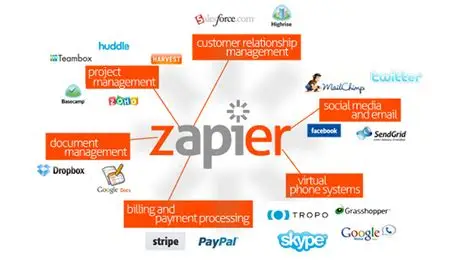
The platform connects over 5,000 applications, creating endless possibilities for workflow optimization. Whether connecting CRM systems with email marketing platforms or integrating social media management tools with analytics dashboards, Zapier serves as the bridge between disparate marketing technologies. This interconnectivity eliminates the need for manual data transfer and ensures seamless information flow across marketing channels.
Marketing teams particularly appreciate Zapier's trigger-action methodology. When specific conditions are met in one application, predetermined actions automatically occur in connected platforms. This simple yet powerful concept forms the foundation for countless marketing automation scenarios that can transform departmental efficiency.
Essential Marketing Tasks Perfect for Zapier Automation
Lead management represents one of the most impactful areas for marketing automation. Traditional lead processing involves manual data entry, assignment, and follow-up scheduling – processes that are both time-consuming and error-prone. Through Zapier, businesses can automatically capture leads from web forms, assign them to appropriate sales representatives, and trigger immediate follow-up sequences.
Email marketing automation through Zapier extends far beyond simple autoresponders. Sophisticated workflows can segment audiences based on behavior, trigger personalized content delivery, and update customer profiles based on engagement metrics. These capabilities enable marketing teams to deliver highly targeted communications without constant manual intervention.
Social media management becomes significantly more efficient with automated posting schedules, cross-platform content distribution, and engagement monitoring. Marketing professionals can create content once and have it automatically formatted and posted across multiple platforms at optimal times. Additionally, automated social listening can alert teams to mentions, reviews, or relevant conversations requiring immediate attention.
Customer relationship management automation ensures no lead falls through the cracks. Automated workflows can update customer records, schedule follow-up reminders, and trigger appropriate communication sequences based on customer actions or timeline milestones. This systematic approach to customer management significantly improves conversion rates and customer satisfaction.
Creating Your First Marketing Automation Workflow
Beginning with automation requires careful planning and clear objective definition. Successful marketers start by identifying their most time-consuming repetitive tasks and evaluating which processes would benefit most from automation. This assessment helps prioritize automation efforts and ensures maximum impact from initial implementations.
The workflow creation process in Zapier begins with selecting trigger applications and defining specific trigger conditions. These triggers might include new form submissions, email opens, social media mentions, or customer purchase completions. Clear trigger definition ensures automation workflows activate at precisely the right moments.
Action configuration follows trigger setup, determining what happens when workflows activate. These actions might involve data updates, email sends, task creation, or notification delivery. Effective workflows often include multiple sequential actions that comprehensively address specific marketing scenarios.
Testing represents a critical phase in workflow development. Marketing teams should thoroughly test automation sequences using sample data to identify potential issues before full implementation. This testing phase prevents embarrassing mistakes and ensures smooth operation when workflows go live.
Advanced Zapier Strategies for Marketing Excellence
Multi-step workflows represent advanced automation capabilities that can handle complex marketing scenarios. These sophisticated sequences might involve lead scoring calculations, conditional content delivery, and multi-channel communication orchestration. Advanced users leverage these capabilities to create comprehensive marketing funnels that operate with minimal human intervention.
Conditional logic within workflows enables dynamic responses based on specific criteria. Marketing automation can branch into different paths depending on customer characteristics, behaviors, or preferences. This personalization capability significantly improves marketing effectiveness while maintaining automation efficiency.
Integration with analytics platforms enables data-driven automation decisions. Workflows can incorporate performance metrics to automatically adjust campaigns, pause underperforming initiatives, or scale successful strategies. This adaptive capability ensures marketing automation continuously optimizes for better results.
Measuring Success and Optimizing Marketing Automation
Performance tracking forms the foundation of successful marketing automation programs. Teams must establish clear metrics for measuring automation effectiveness, including time savings, error reduction, conversion improvements, and overall productivity gains. These measurements justify automation investments and guide future optimization efforts.
Regular workflow auditing ensures automation continues delivering value as business needs evolve. Marketing teams should periodically review active workflows, identifying opportunities for enhancement or consolidation. This ongoing optimization prevents automation bloat and maintains system efficiency.
A/B testing within automated workflows enables continuous improvement of marketing communications and processes. Teams can test different email subject lines, content variations, or timing strategies within automated sequences to optimize performance over time.
Building Marketing Automation Expertise Through Education
Understanding marketing automation requires comprehensive knowledge of both technical platforms and strategic marketing principles. Professionals seeking to excel in this field benefit from structured learning programs that combine theoretical knowledge with practical application opportunities.
Uncodemy offers specialized Digital Marketing courses that extensively cover marketing automation strategies and tools. Their curriculum includes hands-on Zapier training, helping students master workflow creation, integration management, and performance optimization techniques. These skills have become essential for modern marketing professionals seeking career advancement.
The institute's approach to digital marketing education emphasizes real-world application, ensuring students can immediately implement automation strategies in professional settings. Course participants work with actual marketing scenarios, creating automation workflows that address genuine business challenges.
Future Trends in Marketing Automation
Artificial intelligence integration represents the next evolution in marketing automation. Future platforms will incorporate machine learning capabilities that automatically optimize workflows, predict customer behaviors, and personalize experiences at unprecedented scales. Marketing professionals must prepare for this AI-driven future while mastering current automation technologies.
Voice technology and conversational marketing will create new automation opportunities as customer interaction patterns evolve. Marketing teams will need to develop automation strategies that accommodate voice searches, chatbot interactions, and other emerging communication channels.
Cross-platform data integration will become increasingly sophisticated, enabling more comprehensive customer journey automation. Future marketing automation will seamlessly connect online and offline interactions, creating unified customer experiences across all touchpoints.
Conclusion
Marketing automation through platforms like Zapier represents a fundamental shift in how businesses approach customer engagement and operational efficiency. Organizations that embrace these technologies gain significant competitive advantages through improved productivity, enhanced customer experiences, and better resource allocation. The key to success lies in strategic implementation, continuous optimization, and ongoing skill development.
As marketing automation continues evolving, professionals must stay current with emerging technologies and best practices. Educational programs like those offered by Uncodemy provide the foundation for building expertise in these critical areas. The future belongs to marketing teams that successfully blend human creativity with automated efficiency, creating powerful synergies that drive business growth and customer satisfaction.