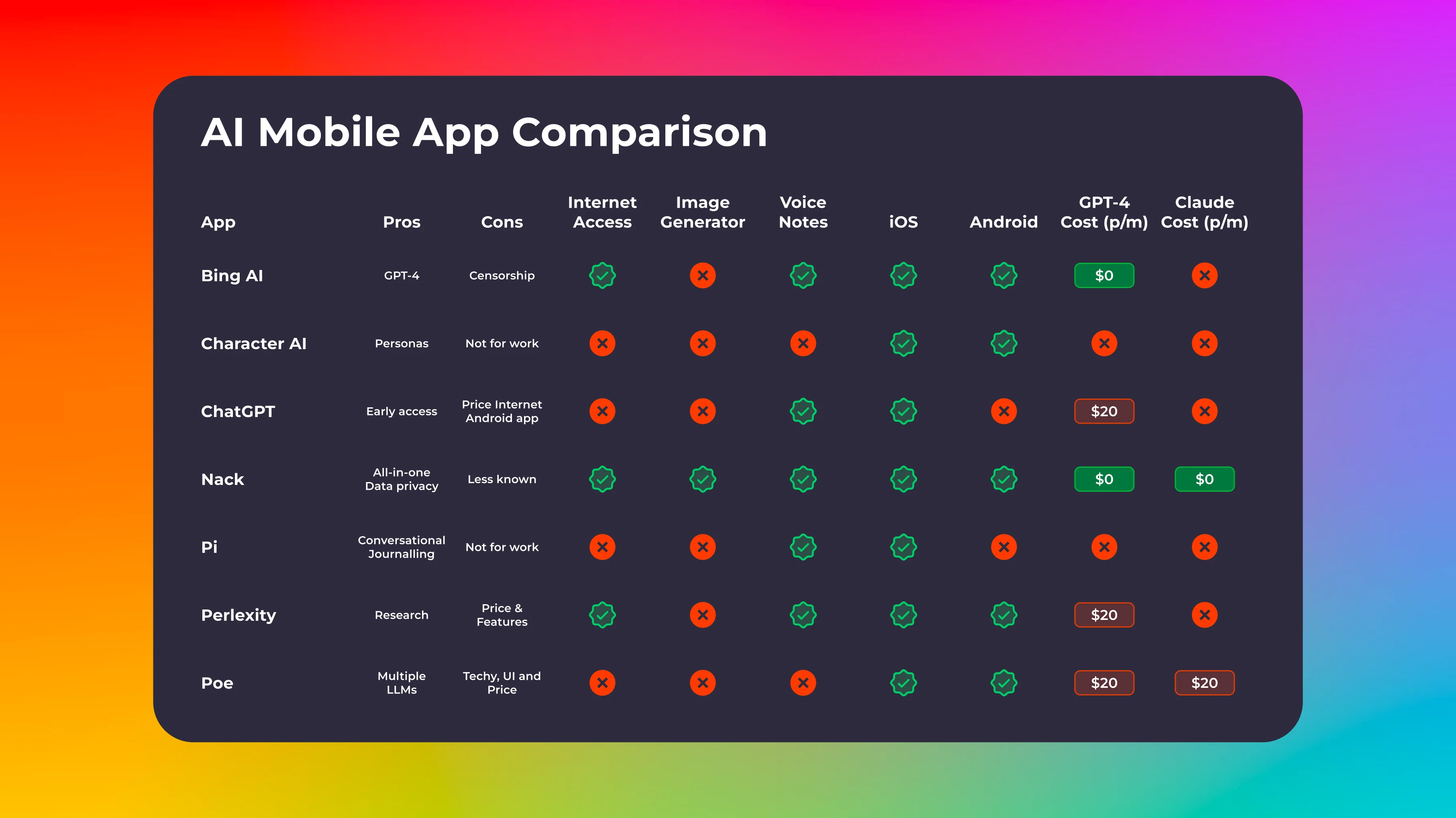
Writers had to gather product details from different sources, validate the data, organize it neatly, and then format it into a visually appealing table. This often meant hours of research, editing, and proofreading. But with the rise of Artificial Intelligence, this entire process can now be accelerated, streamlined, and even automated.
This article will take you step by step through the importance of product comparison tables, how AI can transform their creation, the workflow for implementing AI powered comparison tables, challenges and best practices, real world applications, and the future of this exciting trend. You will also see how you can use simple scripts and tools to get started right away. Finally, I will also share a relevant course from Uncodemy that can help you master AI and blogging technologies in a structured way.
Why Product Comparison Tables Matter in Blogs
A blog that reviews or recommends products is ultimately built on trust. Readers expect the content to be objective, easy to understand, and most importantly, useful. Product comparison tables play a crucial role in this.
- Clarity – They help readers quickly spot the differences and similarities between products.
- Time saving – Instead of reading lengthy descriptions, readers can glance at a table and make informed choices.
- SEO benefits – Well structured tables are user friendly and also boost search engine visibility.
- Engagement – Interactive tables keep readers on the page longer.
- Conversions – A clear comparison increases the chance of readers clicking on affiliate links or purchasing through recommendations.
For example, imagine a blog post about budget smartphones under 15,000 INR. Without a table, the post might be a long list of paragraphs describing each phone. With a table, the information becomes instantly useful: readers can compare camera quality, battery life, storage, and price side by side.
Challenges of Manual Comparison Tables
While valuable, manually creating comparison tables has its challenges:
- Research intensity: Writers must verify details like price, specifications, and features across multiple sources.
- Errors: Manual entry increases the risk of inconsistencies.
- Updates: Product data changes frequently, especially in tech or ecommerce. Keeping tables updated becomes tedious.
- Formatting issues: Creating visually appealing tables that work on mobile and desktop is not always straightforward.
This is exactly where Artificial Intelligence steps in to revolutionize the process.
How AI Transforms Comparison Table Creation
AI powered tools can make product comparison tables smarter, faster, and more accurate. Here’s how:
- Automated Data Collection – AI can scrape data from reliable sources, APIs, or databases. For example, specifications of laptops can be fetched automatically from official websites.
- Natural Language Processing (NLP) – AI understands text descriptions and extracts structured information, like identifying that “10 hours battery” means “Battery life = 10 hours.”
- Dynamic Updates – Instead of static tables, AI can ensure data is updated regularly by rechecking product listings.
- Personalization – AI can recommend comparison tables tailored to user intent. For example, if a user searches “best laptop for students,” the AI can highlight features like lightweight design and long battery.
- Formatting – AI can generate tables in clean HTML, responsive designs, or even interactive forms with filters and sorting.
Workflow for Creating AI Powered Comparison Tables
Let’s break down the step by step process for bloggers and developers who want to implement AI powered comparison tables:
Step 1: Define the Goal
Decide what you are comparing and why. For instance, is your blog about gadgets, health products, or financial tools? Your goal will shape the structure of the table.
Step 2: Collect Data Sources
Identify reliable product data sources. This could be official product websites, ecommerce platforms, or public APIs.
Step 3: Use AI to Structure the Data
AI models can read product descriptions and extract attributes like “price,” “battery life,” or “customer ratings.” Tools like GPT based APIs or specialized scraping AI can help here.
Step 4: Clean and Organize Data
AI ensures consistency in units and formatting. For instance, converting “12 hrs” and “720 minutes” into the same format.
Step 5: Generate the Table
Use AI or code to generate a clean table. This could be in HTML for blogs, or JSON that integrates with a blog platform plugin.
Step 6: Enhance with Interactivity
Add filters, sorting options, or highlights for “best value” or “editor’s choice.” AI can even predict which product is most suitable for specific audiences.
Example: AI Generated Table with JavaScript
Here’s a simple mockup example of how an AI generated product comparison table might look using JavaScript:
Copy Code
<table border="1">

  <tr>

    <th>Product</th>

    <th>Price</th>

    <th>Battery</th>

    <th>Rating</th>

  </tr>

  <tr>

    <td>Phone A</td>

    <td>₹12,999</td>

    <td>5000 mAh</td>

    <td>4.5/5</td>

  </tr>

  <tr>

    <td>Phone B</td>

    <td>₹14,499</td>

    <td>6000 mAh</td>

    <td>4.3/5</td>

  </tr>

</table>
Now imagine this table not being manually typed, but instead dynamically filled by AI fetching real product specs from an API. The code can be expanded with JavaScript functions to automatically update as new data comes in.
Challenges and Best Practices
While AI is powerful, there are challenges you need to consider:
- Data Accuracy – Always verify that the AI is pulling from credible sources. Wrong data could damage trust.
- Ethical Use – Avoid biased comparisons. AI should present factual information.
- Transparency – Let readers know when tables are auto generated.
- Design – A functional but ugly table can push readers away. Combine AI with thoughtful UI design.
- Updates – Ensure the AI refreshes data periodically to keep tables relevant.
Best practices include:
- Keep tables simple and mobile responsive.
- Highlight key differences visually (using colors or icons).
- Use call to action buttons like “Buy Now” or “Learn More.”
- Cross check AI output with human review.
Real World Applications
AI powered comparison tables are transforming multiple industries:
- Ecommerce Blogs: Comparing product specifications and prices across platforms.
- Tech Review Sites: Side by side feature comparisons of gadgets.
- Travel Blogs: Comparing hotels, flight options, or destinations.
- Finance Blogs: Comparing credit cards, insurance policies, or investment products.
- Health and Wellness Blogs: Comparing supplements, diets, or fitness apps.
These tables not only make content more engaging but also increase monetization opportunities for bloggers through affiliate links and ads.
The Future of AI in Comparison Tables
In the future, AI will make comparison tables even smarter by integrating:
- Voice commands – Readers may ask, “Show me the best budget phone under 15,000 with a good camera.”
- AR and VR – Imagine seeing 3D models of compared products side by side.
- Personalized comparisons – AI will customize tables based on user history and preferences.
This future is not far away, and bloggers who adopt AI now will have a strong competitive edge.
Learn More with Uncodemy
If you are excited about building AI powered features for blogs, the Artificial Intelligence and Machine Learning course by Uncodemy in Delhi is a perfect place to start. This course covers the fundamentals of AI, data processing, and real world implementation techniques. You will learn how to use AI APIs, build applications that process large sets of data, and even create interactive content for digital platforms. By the end of the course, you will have the confidence to implement projects like AI powered comparison tables for your own blogs or professional assignments.
Conclusion
AI is no longer just a buzzword. For bloggers, it is a practical tool that saves time, increases accuracy, and makes content more engaging. Product comparison tables, which once required hours of manual effort, can now be generated in minutes with AI assistance. By automating data collection, organizing structured information, and creating visually appealing tables, AI empowers bloggers to focus on creativity and storytelling while leaving repetitive tasks to machines.
As we move forward, the role of AI in content creation will only expand. For anyone serious about blogging or digital publishing, embracing AI now is not just a choice, it is a necessity. With the right skills and tools, you can stand out in the crowded online space and deliver exceptional value to your readers.