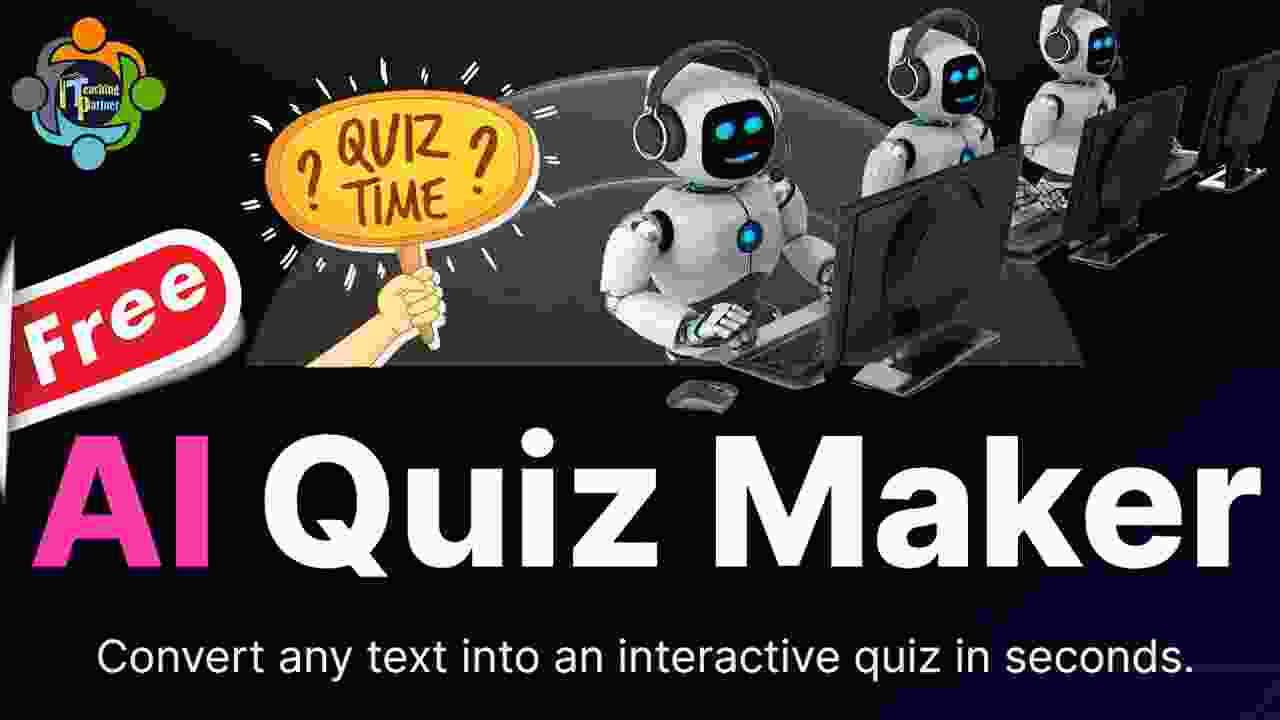
A quiz app may sound simple, but when combined with AI, it becomes far more than just a platform for answering questions. It transforms into a personalized tutor, a performance analyst, and a motivator for students. Teachers, on the other hand, gain a powerful assistant that saves time, generates insights, and makes learning measurable. This essay explores how AI can be used to design quiz apps specifically for schools and students, focusing on the features, benefits, design process, and real-world impact.
Why Quiz Apps Matter in Schools
Quizzes are one of the oldest teaching tools. From oral questioning to pen-and-paper tests, quizzes have been a cornerstone of education. In digital form, however, quizzes do much more. They provide instant feedback, motivate students through gamification, and allow teachers to track performance in real time.
For schools, a well-designed quiz app helps in:
Engagement: Students find quizzes more interactive than reading textbooks.
Assessment: Teachers can test knowledge quickly and frequently.
Retention: Regular quizzes help students retain information better.
Equity: Technology ensures that quizzes are accessible to all students, regardless of background.
Adding AI into this mix makes the entire process more intelligent, adaptive, and future-ready.
Role of AI in Quiz App Design
AI brings several unique strengths to quiz app design that go beyond static question-answer models. Some of the most impactful contributions include:
1. Personalization
AI algorithms analyze a student’s performance and adapt the difficulty level accordingly. For instance, if a student keeps getting math problems wrong, the AI reduces the complexity, revisits the basics, and gradually raises the level as they improve.
2. Automated Question Generation
Instead of manually creating hundreds of questions, AI can generate quiz questions from textbooks, PDFs, or even lectures. This reduces teacher workload and ensures endless practice material for students.
3. Smart Feedback
AI doesn’t just say “wrong” or “right.” It explains why the answer is wrong, provides hints, and directs students toward additional resources.
4. Gamification with Intelligence
Gamification is common in quiz apps, but AI takes it further by tailoring rewards, challenges, and leaderboards to match each student’s pace and motivation style.
5. Predictive Analytics
AI can predict which students are at risk of falling behind based on their quiz performance and alert teachers before it’s too late.
Designing an AI-Powered Quiz App: Step by Step
1. Understanding Requirements
For a school-based app, the first step is to analyze the needs of teachers and students. Teachers want an easy interface for creating quizzes, while students want fun and interactive experiences. Schools want data for progress tracking.
2. User Interface (UI) and User Experience (UX)
The app should have a simple and visually appealing design. Children should be able to navigate without difficulty, while teachers should be able to set up quizzes quickly. AI can assist by suggesting the best UI layout for different age groups.
3. AI-Powered Question Bank
Instead of static questions, the app integrates with an AI engine that creates multiple-choice questions, true/false questions, or even short answers from existing study material. Teachers can approve, edit, or reject these suggestions.
4. Adaptive Learning Algorithms
AI ensures that each student’s quiz journey is unique. If one child excels in science but struggles in English grammar, the app adjusts difficulty levels for each subject separately.
5. Feedback and Hints
Every wrong answer becomes an opportunity to learn. AI analyzes errors and offers real-time hints. For example, if a student incorrectly answers a geometry problem, the app can show step-by-step problem solving.
6. Data Dashboard for Teachers
Teachers receive reports highlighting student strengths and weaknesses. AI clusters students with similar struggles, allowing teachers to plan targeted interventions.
7. Gamified Learning
To keep students motivated, the app incorporates badges, points, levels, and challenges. AI personalizes these features so shy students don’t feel pressured, while competitive students get exciting challenges.
8. Integration with Curriculum
The AI engine should map questions to the syllabus, ensuring alignment with what schools are teaching. This keeps quizzes relevant and exam-oriented.
Benefits of AI Quiz Apps for Students
Self-Paced Learning: Students move at their own speed without embarrassment.
Confidence Building: Instant hints and encouragement reduce fear of failure.
Stronger Retention: AI ensures repetitive practice until mastery is achieved.
Fun Learning: With gamified features, quizzes feel like playing, not studying.
Benefits of AI Quiz Apps for Teachers
Less Workload: AI handles question creation and grading.
Deeper Insights: Analytics highlight exactly where students struggle.
Better Classroom Time: Teachers spend less time marking and more time guiding.
Inclusivity: AI ensures students with different learning abilities stay engaged.
Challenges and Considerations
While AI offers remarkable potential, building quiz apps for schools also comes with challenges:
1. Data Privacy: Schools must ensure student data is protected.
2. Digital Divide: Not all students may have equal access to smartphones or internet.
3. Teacher Training: Teachers need guidance on how to use AI tools effectively.
4. Over-Reliance on Technology: Quizzes should complement, not replace, human teaching.
Real-World Applications
AI-powered quiz apps are already being piloted in many schools worldwide. Platforms like Quizizz and Kahoot! are adding AI features to make quizzes more adaptive. Some schools use AI quiz bots that integrate directly into learning management systems (LMS). Others use voice-based AI assistants to conduct oral quizzes for younger children.
These examples show that AI quiz apps are not a futuristic dream–they are practical, achievable, and scalable solutions for modern education.
Final Thoughts
Building quiz apps for schools and students with the help of AI isn’t just about creating another digital tool–it’s about transforming how learning happens. Traditional quizzes are often limited to paper, repetition, and manual grading, which can feel stressful for students and exhausting for teachers. But with AI, quizzes become more dynamic, engaging, and personalized. This change makes education not only easier to manage but also more effective for learners of all levels.
One of the most powerful aspects of using AI in quiz apps is personalization. Every student learns differently, and AI helps adapt questions based on strengths, weaknesses, and learning speed. This means a student who struggles with math won’t be stuck in a loop of failure–they’ll get guided support, simpler steps, and gradually tougher challenges. On the other hand, advanced learners can be pushed towards more complex questions without waiting for the rest of the class to catch up—an approach developed using concepts taught in an Artificial Intelligence course. This individual focus ensures that no one is left behind, and no one feels bored.
Teachers also benefit greatly. Instead of spending hours designing and grading quizzes, they can let AI handle question generation, instant grading, and even performance analysis. This gives educators more time to focus on actual teaching, mentoring, and creative lesson planning. Schools as a whole gain from efficiency and a more data-driven approach to education, where student progress can be tracked in real-time and interventions can be planned without delays.
Another exciting part is how AI-powered quiz apps make learning more fun. Features like gamification, leaderboards, interactive quizzes, and instant feedback motivate students to participate actively. Unlike static exams, these apps feel like interactive challenges–something students actually look forward to. This helps in reducing exam anxiety and encourages a mindset where learning feels enjoyable rather than forced.
On a larger scale, AI-based quiz apps contribute to bridging gaps in education. Remote learning, homeschooling, or students in underprivileged areas can access the same intelligent tools as others. This opens opportunities for inclusive learning, where technology makes education more equal and accessible.
Of course, challenges remain–like ensuring data privacy, avoiding over-reliance on AI, and keeping the human touch in teaching alive. But these are not roadblocks, they’re reminders that technology should complement education, not replace the essence of learning.
In the end, AI quiz apps are a perfect blend of technology and education. They carry the promise of making learning smarter, faster, and fairer. For students, it’s a chance to learn in ways that suit them best. For teachers, it’s about reducing workload and focusing on what truly matters. For schools, it’s the future of education delivered right to their classrooms.
Uncodemy believes that technology, when used wisely, can create life-changing opportunities. And AI-driven quiz apps are proof of that–reshaping education one quiz at a time.