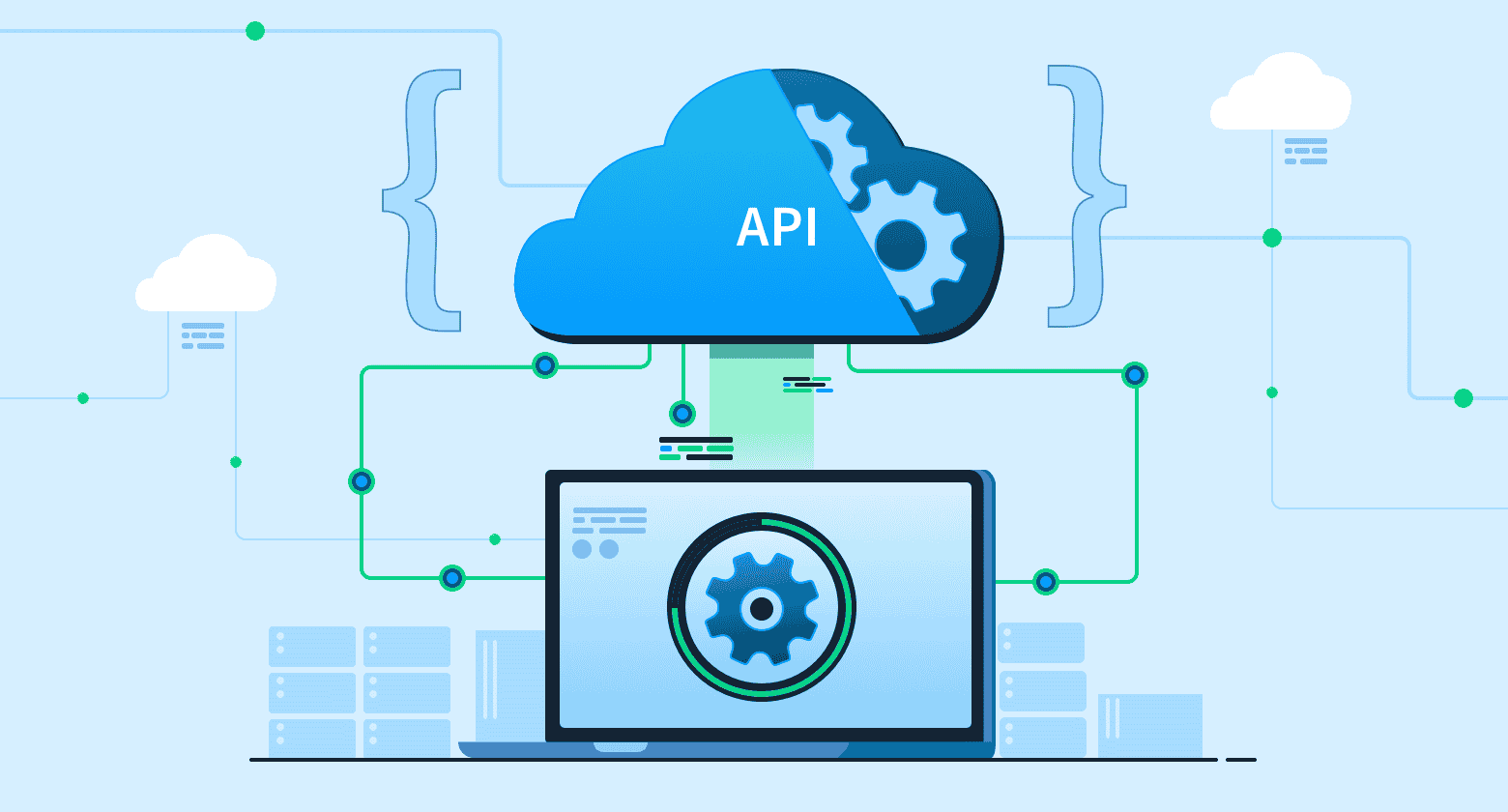
In this article, we’ll dive into what APIs are, how they function in web applications, the different types available, real-world examples, and why they’re crucial for developers in 2026 and beyond. If you’re looking to become a developer, grasping the concept of APIs is absolutely essential. For a more in-depth understanding, consider checking out professional training options like the Web Development Course in Noida.
Introduction: The Importance of APIs in Web Applications
Every time you order food through an app, track a package, or log in with your Google or Facebook account, APIs are hard at work behind the scenes. They serve as the messengers, making sure that different systems can communicate and share data securely.
For instance:
- When you check the weather on your phone, the app doesn’t keep the weather data itself; it fetches it from a weather service via an API.
- When you make online payments using PayPal or Razorpay, APIs manage the secure communication between your bank and the e-commerce site.
Without APIs, modern web applications wouldn’t be able to deliver the quick, dynamic, and interconnected experiences that users have come to expect.
What Are APIs?
An API (Application Programming Interface) is essentially a set of rules and protocols that enables one software application to interact with another. You can think of it as a contract between two applications, where one requests data or functionality, and the other supplies it.
To put it simply, APIs are like waiters in a restaurant:
- You (the customer) place your order through the waiter (the API).
- The waiter relays your order to the kitchen (the server).
- The kitchen prepares your meal (processes the request) and sends it back through the waiter.
How APIs Work in Web Apps
To really grasp how APIs function in web applications, let’s break it down step by step:
Request:
The client, whether it’s a browser, mobile app, or front-end interface, kicks things off by sending a request to the API. This could be anything from fetching data, posting new information, updating existing details, or even deleting something.
Processing:
Once the API server gets that request, it processes it based on some predefined rules. This might involve running database queries, performing calculations, or interacting with other services.
Response:
After processing the request, the server sends a response back to the client in a structured format, which is usually JSON or XML.
Example:
- Imagine you’re browsing an e-commerce site and want to check out all the available products.
- Your browser sends an API request: GET /api/products.
- The server retrieves the product data from the database.
- The API then responds with a JSON object that includes all the product details.
Types of APIs in Web Development
APIs come in various shapes and sizes, depending on what they do and who can access them. Developers working on web apps often run into these types:
1. Open APIs (Public APIs)
- These are accessible to developers and users with minimal restrictions.
- Example: Twitter API, OpenWeather API.
2. Partner APIs
- These are shared only with specific business partners.
- Example: Travel booking platforms that utilize airline APIs.
3. Internal APIs (Private APIs)
- These are used within organizations to streamline their systems.
- Example: APIs that connect HR systems with payroll software.
4. Composite APIs
- These allow multiple requests to be made in a single call, which saves time and bandwidth.
- Example: A travel app that fetches hotel, flight, and car rental data all in one go.
Real-World Examples of APIs in Web Apps
Here are some everyday scenarios where APIs are absolutely essential:
- Logging in with Google or Facebook → OAuth APIs take care of authentication.
- Google Maps in Uber → API integration enables real-time tracking.
- Weather forecasts in news apps → APIs pull in live weather data.
- Payment processing in e-commerce → Stripe or Razorpay APIs ensure secure transactions.
Without APIs, developers would have to build everything from scratch, which would be quite the challenge!
Common API Architectures in Web Apps
When we talk about how APIs function in web applications, it’s crucial to highlight the different architectures that shape their communication styles.
1. REST (Representational State Transfer)
- This is the go-to API design for most developers.
- It utilizes HTTP methods such as GET, POST, PUT, and DELETE.
- Typically, data is formatted in JSON.
- A great example is the GitHub API.
2. SOAP (Simple Object Access Protocol)
- This one relies on XML for its communication.
- While it offers more security, it tends to be bulkier compared to REST.
- Commonly used in payment gateways and banking services.
3. GraphQL
- Created by Facebook, this API allows clients to specify exactly what data they need.
- Modern applications like Shopify are great examples of GraphQL in action.
4. gRPC (Google Remote Procedure Call)
- Known for being lightweight and speedy, it’s often the choice for microservices.
- Think of real-time communication services that rely on it.
Benefits of APIs for Developers and Businesses
- Efficiency – Developers can save time by using existing services instead of building from scratch.
- Scalability – APIs help create modular and scalable web applications.
- Integration – They enable seamless connections between various platforms and services.
- Security – APIs promote secure data sharing through robust authentication protocols.
- Innovation – Developers can quickly test out new features by leveraging APIs.
Challenges with APIs in Web Apps
Despite their power, APIs do come with some hurdles:
- Security Risks → If not properly secured, APIs can expose sensitive information.
- Versioning Issues → Changes in API versions can lead to app malfunctions.
- Rate Limiting → Many APIs impose restrictions on the number of requests a user can make.
- Dependency Risks → Relying too heavily on third-party APIs can lead to downtime if the provider experiences issues.
Why Learning APIs Is Essential in 2026
As businesses increasingly embrace cloud services, AI, and microservices, the significance of APIs will only continue to rise. By 2026, developers will need to have a solid grasp of how APIs work, their various architectures, and the best practices for using them.
If you’re eyeing a career in web development, getting a handle on APIs and their role in web applications will definitely give you a competitive advantage. For some hands-on experience, consider checking out structured programs like the Web Development Course in Noida.
Best Practices for Working with APIs
- Always make sure your APIs are secure by using authentication methods like OAuth or JWT.
- Rely on solid documentation to make implementation a breeze.
- Don’t forget to implement error handling for those unexpected responses.
- Keep an eye on API rate limits to prevent any downtime.
- Thoroughly test your APIs before rolling them out into production.
Conclusion
APIs are truly the backbone of today’s web applications. They facilitate smooth interactions between different systems, boost functionality, and create a connected digital experience for users. With options ranging from REST and GraphQL to both open-source and private APIs, developers have a wealth of tools at their disposal to craft efficient, scalable, and secure web applications.
For those looking to break into the tech world, getting a handle on APIs is essential for future-proofing your career. Whether you’re integrating payment systems, adding social media logins, or developing scalable microservices, APIs are the key to making it all happen.
If you want to dive deeper and gain structured, hands-on experience with APIs and web applications, think about signing up for the Web Development Course in Noida. This course covers everything from the basics to more advanced topics.
FAQs on APIs in Web Apps
Q1. What is an API in simple terms?
An API is like a messenger that helps two applications talk to each other and share data.
Q2. Why are APIs important in web apps?
APIs enable web apps to connect with external services like payment processors, maps, and social media, enriching their functionality.
Q3. What are the most common API formats?
REST (using JSON), SOAP (using XML), and GraphQL are among the most popular.
Q4. Are APIs secure?
Yes, they can be secure, but it’s crucial to implement security measures like authentication, HTTPS, and encryption properly.
Q5. Can I build my own API?
Definitely! Developers can create APIs using frameworks like Express.js (Node.js), Django (Python), or Spring Boot (Java).
Q6. What is the difference between REST and GraphQL?
REST has fixed endpoints, while GraphQL lets clients request exactly what they need, making it more efficient.
Q7. How can I practice APIs as a beginner?
You can start by integrating free APIs like OpenWeather.