However, to make the most of a data science course, students and professionals must meet certain prerequisites. These prerequisites ensure that learners can grasp complex concepts, handle real-world projects, and transition smoothly into industry roles. This blog outlines the essential prerequisites for data science training in Delhi, helping aspirants prepare for a successful learning journey.
Understanding the Need for Prerequisites
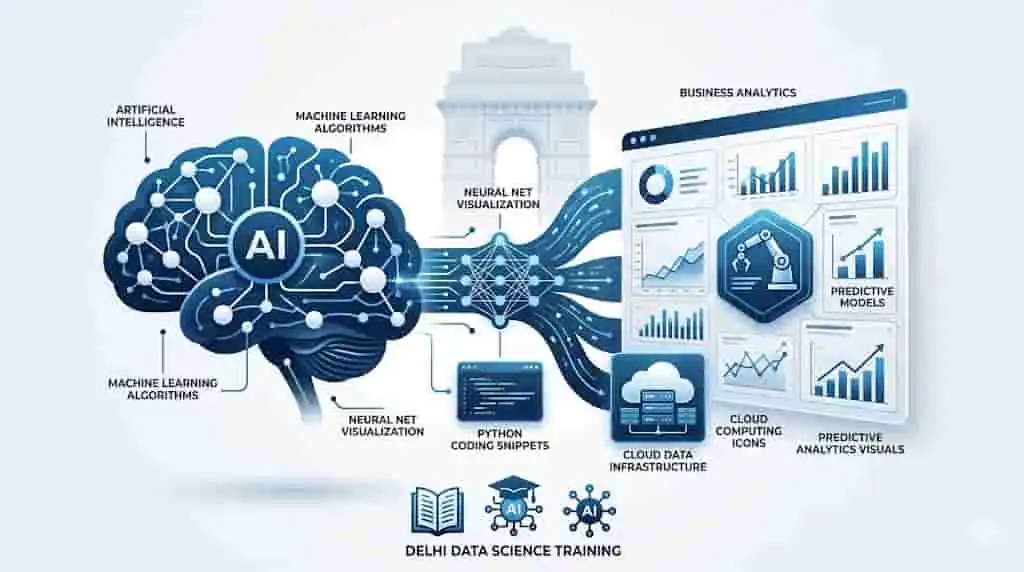
Data science is a multi-disciplinary field that combines mathematics, statistics, programming, and domain knowledge. Training programs in Delhi are designed to teach advanced topics such as machine learning, artificial intelligence, big data analytics, and predictive modeling.
Without a proper foundation, learners may struggle to keep up with the pace of the course or fully understand practical applications. Meeting the prerequisites ensures:
- A smoother learning experience
- Faster understanding of advanced concepts
- Better performance in practical projects and assignments
- Enhanced readiness for real-world data science jobs
Educational Background
While data science training is open to learners from diverse backgrounds, having a basic educational foundation in relevant subjects helps:
1. Mathematics: A strong grasp of linear algebra, calculus, and probability is essential for understanding algorithms, statistical models, and machine learning techniques.
2. Statistics: Knowledge of descriptive and inferential statistics is crucial for data analysis, hypothesis testing, and deriving meaningful insights.
3. Computer Science or IT Fundamentals: Familiarity with basic computer operations, algorithms, and data structures provides an advantage when learning programming and data manipulation.
Students from engineering, commerce, mathematics, or science streams often find it easier to grasp the technical aspects of data science, though motivated learners from other backgrounds can also succeed with proper guidance.
Programming Knowledge
Programming is a core skill for data science, and most Delhi-based courses require learners to have some exposure to programming:
- Python: The most widely used language in data science, Python is beginner-friendly and versatile for data analysis, machine learning, and AI.
- R (optional): Useful for statistical computing and data visualization, though not mandatory in all courses.
- SQL: Essential for querying databases and handling structured data.
While prior experience is helpful, most courses also include introductory modules to bring beginners up to speed with these languages.
Analytical and Problem-Solving Skills
Data science is not just about coding; it’s about thinking analytically and solving real-world problems. Learners should develop:
- Critical Thinking: Ability to analyze datasets, detect patterns, and interpret results logically.
- Problem-Solving: Tackling complex business challenges using data-driven approaches.
- Attention to Detail: Ensuring accuracy in data cleaning, preprocessing, and modeling.
These skills are often developed through hands-on exercises, case studies, and projects during the course.
Computer and Software Requirements
For training in Delhi, having access to a suitable computer system and software is necessary:
- Laptop/PC: Minimum specifications often include 8GB RAM, 256GB SSD, and a modern processor (Intel i5 or equivalent). Higher specifications are recommended for handling machine learning and AI tasks.
- Operating System: Windows, macOS, or Linux based on course compatibility.
- Software and Tools: Python IDEs, Jupyter Notebook, spreadsheet software, and optional data visualization tools like Tableau or Power BI.
Ensuring your system meets these requirements allows for smooth execution of exercises and projects.
Familiarity with Data Concepts
A basic understanding of data formats and types is important for learners to grasp practical applications quickly:
- Structured vs. unstructured data
- Datasets, tables, and columns
- Basic data preprocessing steps like cleaning and normalization
Even a brief introduction to these concepts before starting the course can accelerate learning and reduce initial confusion.
Motivation and Time Commitment
Data science training requires dedication, consistent effort, and hands-on practice. Learners should be prepared to:
- Attend regular classes or online sessions
- Practice coding and data analysis regularly
- Complete assignments, projects, and case studies
- Spend extra time learning advanced topics independently
A motivated mindset and willingness to invest time ensures learners can derive maximum benefit from the course and secure career opportunities.
Optional but Beneficial Prerequisites
While not mandatory, certain skills and experiences enhance readiness for data science training:
- Excel Skills: Useful for basic data analysis and visualization.
- Basic Machine Learning Awareness: Familiarity with concepts like regression, classification, and clustering helps learners follow advanced modules faster.
- Communication Skills: Explaining insights effectively is key in professional settings.
- Domain Knowledge: Understanding industry-specific challenges (finance, healthcare, retail) can help in real-world projects.
These additional skills make learners more confident and adaptable during the course and in job placements.
How Delhi-Based Courses Address Prerequisites
Top data science training centers in Delhi recognize that learners come from diverse backgrounds. They typically offer:
- Introductory Modules: Covering Python, statistics, and basic analytics for beginners.
- Bridge Sessions: Short courses or workshops to bring students up to speed on prerequisites.
- Mentorship and Support: Personalized guidance to ensure all learners can follow advanced topics.
- Hands-On Projects: Gradually increasing complexity to reinforce learning and application skills.
This approach ensures that even learners with minimal prior exposure can successfully complete the course and transition into data science roles confidently.
Conclusion
Preparing for data science training in Delhi requires a combination of educational foundation, programming knowledge, analytical skills, and motivation. While prior experience in Python, statistics, or computer science is advantageous, most courses are designed to support beginners and gradually build advanced competencies.
Meeting these prerequisites ensures that learners can fully benefit from the training, complete projects effectively, and acquire the skills necessary to secure high-demand data science roles in Delhi’s startups, corporate sector, and government projects.
Investing time in understanding these prerequisites before enrolling in a course not only enhances the learning experience but also prepares students for a rewarding career in one of India’s fastest-growing fields.