6. Benefits of RAG for Learners and Professionals
7. How to Learn and Use RAG
8. Challenges and Limitations of RAG
9. The Future of RAG
10. Conclusion
11. FAQs About Retrieval-Augmented Generation
1. What Is Retrieval-Augmented Generation (RAG)
What Is Retrieval-Augmented Generation (RAG)?
Retrieval-Augmented Generation, or RAG, is a method in Artificial Intelligence that combines two skills — finding the right information and then creating a useful answer from it. In simple words, RAG first retrieves information from an external source like a database or documents, and then generates text using that information.
Think of it like this — a student is given a question. Instead of just guessing from memory, they quickly look into their notes or a textbook, find the exact answer, and then write it down in their own words. This is exactly how RAG works, but in the AI world.
Traditional AI models like GPT are powerful, but they can sometimes make up information, also called hallucination. RAG helps solve that problem by grounding the AI’s answer in real, verified data.
2. Why RAG Matters in AI and Tech Education
RAG is more than just a “smart” AI approach — it’s a game changer for how we use AI in learning and jobs.
Here’s why it matters:
- Better Accuracy – RAG uses real documents for reference, so it reduces wrong or made-up facts. According to research from Meta AI (the company behind Facebook), RAG models can reduce hallucinations by over 30% when answering open-ended questions (Meta AI, 2020).
- Up-to-Date Knowledge – While traditional models are trained on fixed data, RAG can pull the latest information from updated databases or the internet.
- Faster Learning for Students – When learners use RAG-powered systems, they get answers that are current, specific, and clear — instead of outdated examples.
- Practical Use in Jobs – Many companies need AI to give quick, correct responses in customer service, coding, research, and healthcare. RAG helps achieve that.
For example, imagine a student in an Uncodemy Data Science course working on a project. If the learning tool uses RAG, it can fetch the latest data science libraries, show recent code examples, and explain them in real time. This saves hours of searching and boosts confidence in learning.
3. How RAG Works: Simple Steps
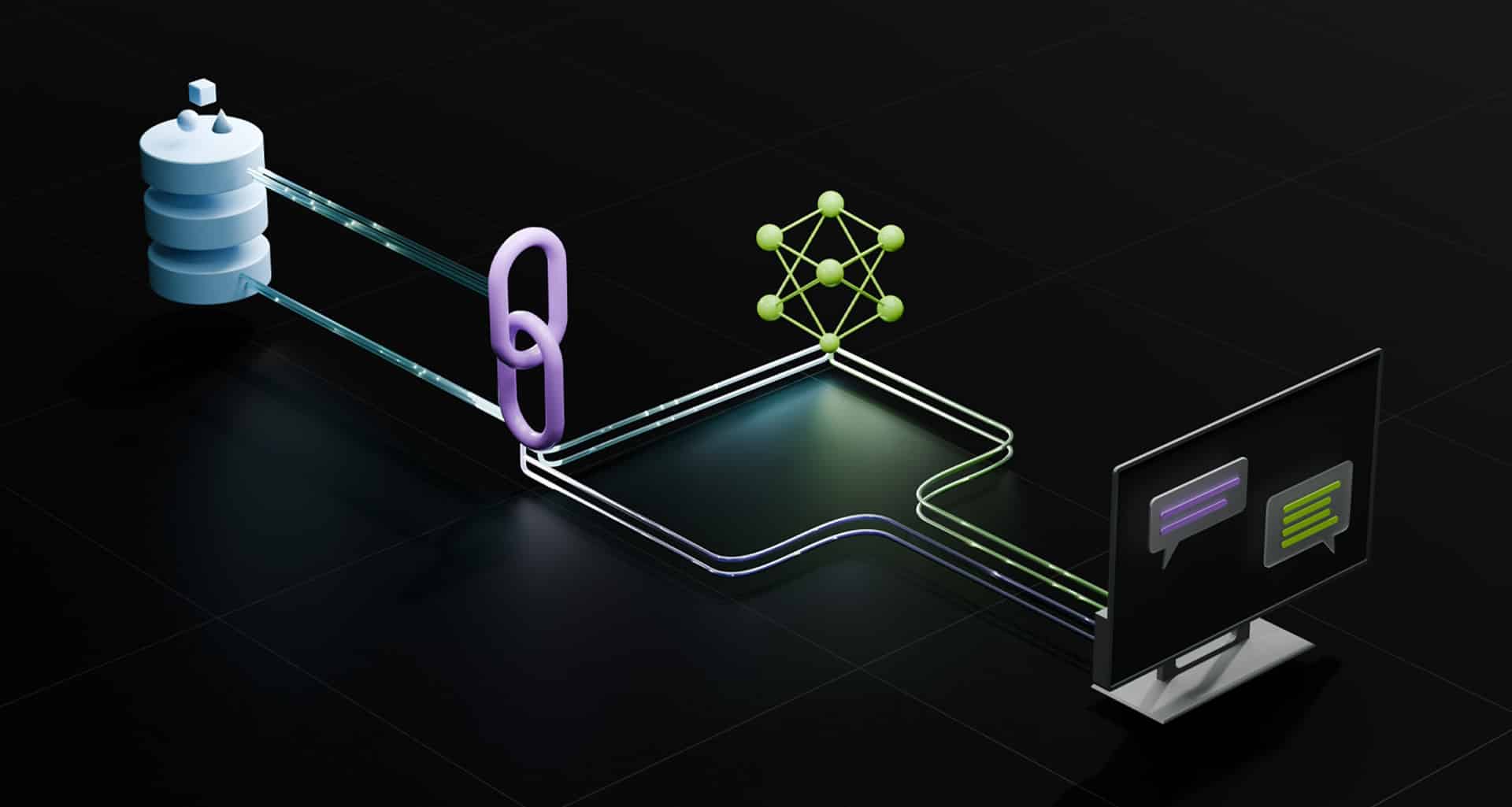
To understand RAG, let’s break it into two main phases — retrieval and generation.
Step 1 – Retrieval
The AI first looks into an external knowledge base — which could be a document store, Wikipedia, a company’s database, or a custom library. It finds small chunks of text (often called passages) that match the user’s query.
Step 2 – Generation
Once the relevant passages are found, the AI uses a language model to generate a natural, easy-to-read answer. This answer is based on the retrieved information, so it is grounded and factual.
In short:
- Ask → Retrieve → Generate → Deliver.
Example:
If you ask, “What is the latest version of Python?” — a regular AI might give an older answer if its data is outdated. But a RAG-powered AI will search current documentation, find the correct version, and then write an accurate, clear reply.
4. RAG vs Traditional Language Models
Traditional language models (like GPT-3) rely only on patterns learned from past training data. They can produce fluent, creative text, but they:
- Can be outdated.
- May create false information.
- Don’t always cite where the answer came from.
RAG is different:
- It adds retrieval of real-time, trusted sources.
- Answers are fresher and backed by evidence.
- It can show where the info came from (depending on setup).
This difference is important in tech learning. For example, if you’re taking an Uncodemy course in cloud computing, you need the latest AWS commands, pricing changes, or architecture updates. A traditional AI may not know the latest changes — but RAG can find and use them instantly.
Real-World Fact:
RAG was first introduced by researchers at Facebook AI in 2020. It combines a retriever model (like DPR – Dense Passage Retriever) and a generator model (like BART or T5). This pairing helps the AI create answers that are both factually grounded and well-written (Original Paper – arXiv).
Featured Snippet
Retrieval-Augmented Generation (RAG) is an AI method that first retrieves relevant documents from external sources and then generates an answer using that information. This approach improves accuracy, reduces hallucinations, and keeps answers up-to-date, making it ideal for learning, research, and job-ready training in fast-changing tech fields.
5. Practical Applications of RAG
Retrieval-Augmented Generation is not just a “cool tech idea” — it’s already being used in many industries to solve real problems.
Customer Support
Companies are using RAG-powered chatbots to give fast and correct answers to customers. Instead of replying from memory, these bots pull answers from up-to-date product manuals, policy documents, or knowledge bases.
Example:
A banking chatbot using RAG can instantly fetch the latest loan interest rates and give customers accurate info without making them search online.
Software Development
Developers can use RAG tools to look up code examples from trusted documentation while working. This saves time and ensures the code is correct for the current version of a language or framework.
Healthcare
RAG is helping doctors and researchers get the latest medical information. It can pull details from updated research papers and official health databases, reducing the risk of outdated advice.
Education and Training
For learners in data science, AI, or cloud computing, RAG can serve as a personal tutor. It explains concepts with the newest examples and avoids outdated references — a big advantage in tech where things change quickly.
6. Benefits of RAG for Learners and Professionals
RAG offers benefits that go beyond regular AI tools. Here are some of the biggest advantages:
- Accuracy – Less chance of wrong facts because it uses real-time data.
- Efficiency – Saves hours of searching by finding and explaining in one step.
- Customization – Can search your own private documents for tailored answers.
- Adaptability – Stays relevant in industries where information changes often.
When a learner uses a RAG-powered platform like those being explored by training institutes such as Uncodemy, they can study with the confidence that the material they’re getting is fresh, correct, and job-ready.
7. How to Learn and Use RAG
If you’re interested in working with RAG as a developer, AI specialist, or data scientist, you can follow this path:
Step 1 – Learn the Basics of NLP and AI
Start with understanding how traditional language models work. This will make it easier to see how RAG is different.
Step 2 – Understand Retrieval Models
Learn about Dense Passage Retrieval (DPR) or BM25 — these are popular retrievers used in RAG systems.
Step 3 – Explore Generator Models
Familiarize yourself with models like BART or T5 that are often paired with retrieval systems.
Step 4 – Practice with Open-Source RAG
Facebook AI has released an open-source RAG model on Hugging Face (RAG on Hugging Face). You can experiment with it for free.
Step 5 – Build a Mini Project
Connect a retriever to a generator and try answering questions from your own dataset — for example, company documents or research papers.
8. Challenges and Limitations of RAG
While RAG is powerful, it’s not perfect. Some common challenges include:
- Retrieval Quality – If the retriever picks bad documents, the answer will also be poor.
- Speed – Searching external databases can be slower than generating directly.
- Data Management – Requires updated, well-organized databases for best results.
However, most of these issues can be reduced with good design and constant updates.
9. The Future of RAG
RAG is still young compared to other AI methods, but it’s growing fast. Experts believe it will become a standard feature in AI assistants across industries.
Trends we may see in the future:
- Real-Time Internet Retrieval – Instant answers from live online sources.
- Multi-Modal RAG – Retrieval not just for text, but also for images, videos, and audio.
- Personal Knowledge Integration – Using your own stored files to give deeply personalized help.
As AI gets better, RAG will make it more trustworthy, reliable, and practical for everyday work.
10. Conclusion
Retrieval-Augmented Generation (RAG) is more than just a new AI trend — it’s a game-changing approach that makes technology smarter, more accurate, and more dependable. By combining the power of retrieving real-world information with generating clear, human-like answers, RAG bridges the gap between knowledge and action.
For learners and working professionals, this means fewer outdated answers, more trusted results, and faster learning. In a tech world that changes daily, RAG is a skill worth understanding — whether you want to build smarter apps, enhance your data science projects, or improve your research work.
If you’re serious about growing in AI, Data Science, or Software Development, now is the perfect time to start. Uncodemy offers hands-on, job-focused training that prepares you for the skills the industry needs today — including cutting-edge AI methods like RAG.
➔ Start your learning journey with Uncodemy today and stay ahead in the AI revolution.
FAQs About Retrieval-Augmented Generation
Q1. Is RAG better than a normal AI chatbot?
Yes. RAG combines retrieval with generation, so its answers are more accurate and current than AI models that rely only on memory.
Q2. Can RAG work without the internet?
Yes, if it has access to a local database or knowledge base. It doesn’t always need the internet, but it does need updated data.
Q3. Do I need to be a programmer to use RAG?
Not always. Some tools offer RAG features without coding, but for advanced customization, programming knowledge helps.
Q4. Is RAG only for text?
Currently, it’s mostly for text, but researchers are exploring ways to use it for images, videos, and audio.
Q5. Who invented RAG?
RAG was introduced by Facebook AI researchers in 2020 as a way to make AI-generated answers more reliable and fact-based.