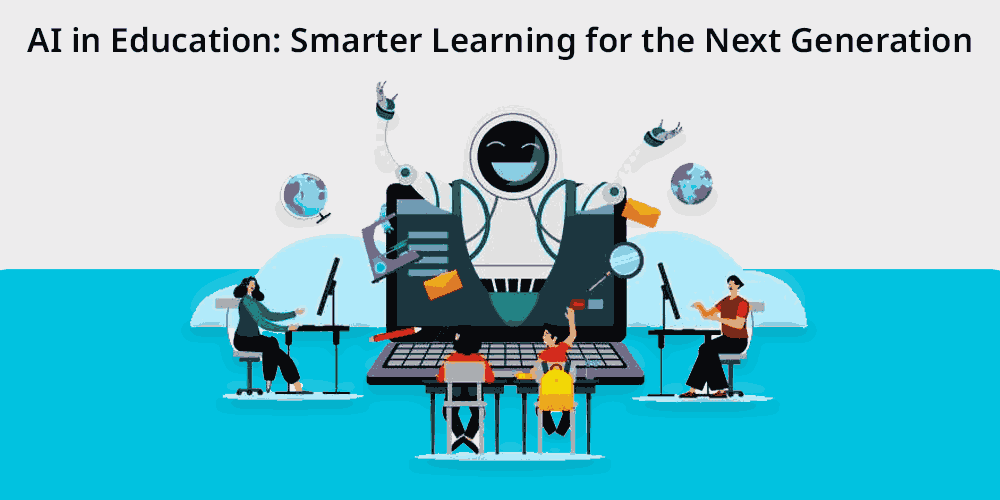
Understanding the nuances of AI models in education requires examining their capabilities, limitations, and practical applications. From personalized learning experiences to automated assessment systems, AI models are reshaping how knowledge is delivered, absorbed, and evaluated. This comprehensive exploration will help educators, trainers, and learners make informed decisions about which AI technologies best serve their educational goals.
The Educational AI Landscape: Understanding the Players
The world of educational AI is diverse, encompassing various types of models designed for specific learning scenarios. Large Language Models like GPT-4, Claude, and Gemini have gained significant attention for their conversational abilities and content generation capabilities. These models excel at explaining complex concepts, answering questions, and providing personalized tutoring experiences that adapt to individual learning styles.
Specialized educational AI platforms represent another category, with tools like Carnegie Learning's MATHia for mathematics, Duolingo's language learning algorithms, and IBM Watson Education for comprehensive learning analytics. These platforms are purpose-built for educational contexts and often integrate multiple AI techniques to create holistic learning environments.
Machine learning models focused on educational data analytics form a third category, helping institutions understand learning patterns, predict student outcomes, and optimize curriculum delivery. These models work behind the scenes, analyzing vast amounts of educational data to inform teaching strategies and institutional decisions.
Computer vision and natural language processing models also play crucial roles in education, enabling automated essay scoring, plagiarism detection, and interactive educational content creation. Each type of AI model brings unique strengths to the educational table, making the selection process dependent on specific learning objectives and contexts.
Large Language Models in Education: The Conversational Tutors
Large Language Models have emerged as powerful educational tools, offering unprecedented opportunities for personalized learning experiences. These models excel in their ability to engage in natural conversations about complex topics, making them ideal for one-on-one tutoring scenarios where students need immediate feedback and clarification.
The strength of LLMs in education lies in their versatility and adaptability. A student struggling with calculus can receive step-by-step explanations tailored to their understanding level, while another learner exploring literature can engage in sophisticated discussions about themes, character development, and historical context. This adaptability makes LLMs particularly valuable for self-paced learning environments where students have diverse backgrounds and learning speeds.
However, the educational application of LLMs isn't without challenges. These models can sometimes provide incorrect information with high confidence, making fact-checking and verification essential components of any LLM-based educational system. Additionally, their training data cutoffs mean they may not have access to the most recent information, which can be problematic in rapidly evolving fields like technology or current events.
The most effective educational implementations of LLMs often combine their conversational capabilities with robust fact-checking systems and domain-specific knowledge bases. This hybrid approach leverages the natural interaction capabilities of LLMs while maintaining accuracy and reliability in educational content delivery.
Specialized Educational AI: Purpose-Built for Learning
Specialized educational AI platforms represent a more targeted approach to AI in education, designed specifically for particular subjects or learning methodologies. These systems often incorporate multiple AI techniques, including machine learning, natural language processing, and adaptive algorithms, to create comprehensive learning experiences.
Mathematics education has seen remarkable success with specialized AI tutors like Carnegie Learning's MATHia and Khan Academy's exercise system. These platforms use sophisticated algorithms to identify knowledge gaps, provide targeted practice problems, and adapt difficulty levels based on student performance. The key advantage of these specialized systems is their deep understanding of subject-specific pedagogical principles and their ability to provide structured, curriculum-aligned learning paths.
Language learning platforms like Duolingo and Babbel demonstrate another successful application of specialized educational AI. These systems combine spaced repetition algorithms, speech recognition technology, and gamification elements to create engaging language learning experiences. Their AI models are specifically trained on language acquisition patterns and can provide personalized feedback on pronunciation, grammar, and vocabulary retention.
The limitation of specialized educational AI lies in their narrow focus. While they excel within their specific domains, they cannot provide the broad, cross-disciplinary support that general-purpose AI models offer. This makes them ideal for structured learning environments but less suitable for exploratory or interdisciplinary educational approaches.
Adaptive Learning Systems: Personalizing the Educational Journey
Adaptive learning systems represent one of the most promising applications of AI in education, using machine learning algorithms to continuously adjust content delivery based on individual learner performance and preferences. These systems create unique learning paths for each student, optimizing both the pace and style of content presentation to maximize learning outcomes.
The power of adaptive learning lies in its data-driven approach to personalization. By analyzing thousands of data points including response times, error patterns, learning preferences, and engagement levels, these systems can predict which concepts a student will struggle with and proactively provide additional support or alternative explanations.
Platforms like Smart Sparrow and Knewton have pioneered this approach, creating AI models that continuously learn from student interactions to refine their teaching strategies. These systems can identify when a student is becoming frustrated or disengaged and automatically adjust the difficulty level or presentation style to maintain optimal learning conditions.
The effectiveness of adaptive learning systems largely depends on the quality and quantity of data they can access. Systems with larger datasets and more sophisticated analytics capabilities tend to provide better personalization and more accurate predictions about student needs. However, this data dependency also raises important privacy and security considerations that educational institutions must carefully address.
AI for Assessment and Feedback: Revolutionizing Evaluation
Artificial intelligence has transformed educational assessment, moving beyond simple multiple-choice questions to sophisticated evaluation systems that can analyze complex student responses and provide detailed, constructive feedback. Natural language processing models can now evaluate essay responses, providing feedback on writing quality, argument structure, and content accuracy.
Automated essay scoring systems like ETS's e-rater and Pearson's WriteToLearn use advanced NLP algorithms to evaluate student writing across multiple dimensions including grammar, vocabulary usage, discourse structure, and content development. These systems can provide immediate feedback to students, allowing for iterative improvement and reducing the grading burden on instructors.
AI-powered assessment systems also enable more frequent and comprehensive evaluation of student progress. Instead of relying solely on periodic exams, these systems can continuously monitor student understanding through various interaction patterns and provide real-time insights to both students and instructors about learning progress.
The challenge with AI assessment lies in maintaining fairness and avoiding bias. AI models can inadvertently discriminate against certain writing styles, cultural backgrounds, or unconventional thinking patterns. Ensuring that AI assessment systems are trained on diverse datasets and regularly audited for bias is crucial for their ethical implementation in educational settings.
The Role of AI in Corporate Training and Professional Development
Corporate training represents another significant application area for educational AI, where the focus shifts from traditional academic learning to skill development and professional competency building. AI models in corporate training environments often emphasize practical application, real-world scenarios, and measurable performance improvements.
Microlearning platforms powered by AI have become particularly popular in corporate settings, delivering bite-sized learning modules that fit into busy professional schedules. These systems use AI to identify skill gaps, recommend relevant training content, and track progress toward professional development goals.
Virtual reality and augmented reality training systems, enhanced by AI algorithms, provide immersive learning experiences for complex procedures or dangerous situations. AI models in these systems can adapt scenarios based on trainee performance, provide real-time coaching, and evaluate competency development in realistic but safe environments.
For professionals looking to enhance their skills in AI and machine learning, comprehensive programs like the [Machine Learning] course in Noida provide structured learning paths that combine theoretical knowledge with practical application, preparing learners for the rapidly evolving AI landscape.
Choosing the Right AI Model: Factors to Consider
Selecting the appropriate AI model for educational purposes requires careful consideration of multiple factors including learning objectives, target audience, available resources, and implementation constraints. The decision process should begin with a clear understanding of what the AI system needs to accomplish and who will be using it.
Learning objectives play a crucial role in AI model selection. If the goal is to provide conversational tutoring and answer diverse questions across multiple subjects, large language models might be the best choice. However, if the objective is to teach specific skills like mathematics or language learning through structured curricula, specialized educational AI platforms would be more appropriate.
The target audience significantly influences AI model selection. Adult learners in corporate training environments might benefit from AI systems that emphasize practical application and just-in-time learning, while K-12 students might need more structured, curriculum-aligned AI tutors that provide comprehensive coverage of educational standards.
Technical infrastructure and resource availability also impact AI model choice. Implementing sophisticated AI systems requires significant computational resources, technical expertise, and ongoing maintenance. Organizations must realistically assess their capabilities and choose AI models that align with their technical capacity and budget constraints.
Integration Challenges and Best Practices
Successfully integrating AI models into educational environments requires careful planning and consideration of various technical, pedagogical, and ethical factors. The most common challenges include ensuring data privacy and security, maintaining educational quality and accuracy, and providing adequate training for educators and administrators.
Data privacy represents a critical concern when implementing AI in education, as these systems often require access to sensitive student information including performance data, learning preferences, and personal details. Educational institutions must implement robust data protection measures and ensure compliance with relevant privacy regulations like FERPA in the United States or GDPR in Europe.
Maintaining educational quality requires ongoing monitoring and evaluation of AI system performance. This includes regular assessments of content accuracy, bias detection and mitigation, and alignment with educational standards and objectives. Educational institutions should establish clear quality assurance processes and regularly audit their AI systems to ensure they continue to meet educational goals.
Educator training and support are essential for successful AI implementation. Teachers and trainers need to understand how to effectively integrate AI tools into their pedagogical practices, interpret AI-generated insights about student performance, and maintain the human elements that are crucial for effective education.
The Future of AI in Education: Emerging Trends and Technologies
The future of AI in education promises even more sophisticated and effective learning experiences as technology continues to advance. Emerging trends include the development of more emotionally intelligent AI tutors that can recognize and respond to student emotional states, multimodal AI systems that can process and generate content across text, audio, and visual formats, and AI models specifically designed for collaborative learning environments.
Emotional AI represents a particularly promising development, with systems that can detect student frustration, engagement levels, and emotional states through various inputs including facial expressions, voice patterns, and interaction behaviors. These emotionally aware AI systems can adjust their teaching approaches to maintain optimal emotional conditions for learning.
The integration of AI with other emerging technologies like virtual and augmented reality, blockchain for credential verification, and Internet of Things devices for learning analytics creates new possibilities for immersive and comprehensive educational experiences. These technological convergences will likely produce AI educational systems that are more intuitive, effective, and engaging than current solutions.
Advances in natural language processing and generation are also leading to AI tutors that can engage in more sophisticated conversations, understand context better, and provide more nuanced and helpful responses to student questions. These improvements will make AI tutors even more effective as personalized learning companions.
Ethical Considerations and Responsible AI Implementation
The implementation of AI in education raises important ethical questions that must be carefully addressed to ensure these technologies benefit all learners equitably and responsibly. Key ethical considerations include algorithmic bias and fairness, transparency and explainability of AI decisions, student privacy and data ownership, and the potential impact on human educators and employment.
Algorithmic bias in educational AI can perpetuate or amplify existing educational inequalities if not carefully managed. AI models trained on biased datasets or designed without considering diverse learning styles and cultural backgrounds may provide inferior experiences for certain student populations. Educational institutions must prioritize diversity and inclusion in their AI implementation strategies and regularly audit their systems for bias.
Transparency in AI decision-making is crucial for building trust and enabling effective oversight of educational AI systems. Students, educators, and administrators should understand how AI systems make recommendations, evaluate performance, and adapt to individual needs. This transparency enables better informed decision-making and helps identify potential problems before they impact learning outcomes.
The question of data ownership and student privacy becomes more complex as AI systems collect increasingly detailed information about learning behaviors, preferences, and performance. Clear policies regarding data collection, usage, and retention must be established, and students should have meaningful control over their educational data.
Making the Right Choice: A Framework for Decision-Making
Choosing the best AI model for education and training requires a systematic approach that considers all relevant factors and stakeholders. Educational decision-makers should begin by clearly defining their goals, assessing their current capabilities and constraints, evaluating available options, and developing implementation and evaluation plans.
The goal definition process should involve all stakeholders including educators, students, administrators, and technical staff. Clear, measurable objectives help ensure that the selected AI model will actually address identified needs and provide value to the educational organization.
Capability assessment involves honestly evaluating technical infrastructure, financial resources, staff expertise, and organizational readiness for AI implementation. This assessment helps narrow the field of viable options and prevents costly implementation failures.
Option evaluation should include pilot testing whenever possible, allowing organizations to experience how different AI models perform in their specific contexts before making major commitments. Pilot programs also provide valuable insights into implementation challenges and user acceptance that inform full-scale deployment strategies.
Conclusion: The Path Forward in Educational AI
The question of which AI model is best for education and training doesn't have a single answer, but rather depends on specific contexts, objectives, and constraints. Large language models excel at providing conversational, personalized tutoring experiences across diverse subjects, while specialized educational AI platforms offer deep, structured learning experiences within specific domains. Adaptive learning systems provide sophisticated personalization capabilities, and AI assessment tools revolutionize how we evaluate and provide feedback on student performance.The most successful educational AI implementations often combine multiple approaches, leveraging the strengths of different AI models to create comprehensive learning ecosystems. This blended approach is increasingly reflected in modern learning programs, including structured offerings like an AI course in Noida by Uncodemy, where theoretical foundations are combined with practical, hands-on exposure to real-world AI tools and applications.For educators, trainers, and learners navigating this complex landscape, the key is to start with clear objectives, carefully evaluate options, and remain committed to continuous improvement and adaptation. The future of education is undoubtedly intertwined with artificial intelligence, and those who thoughtfully embrace these technologies—through self-learning, institutional programs, or professional training paths such as an AI course in Noida by Uncodemy—will be best positioned to benefit from the educational revolution currently underway.The journey toward effective AI integration in education requires patience, experimentation, and a commitment to learning from both successes and failures. As we continue to explore the possibilities and address the challenges of educational AI, we move closer to realizing the vision of truly personalized, effective, and accessible education for all learners.