The global economy is undergoing a profound and irreversible transformation, a shift so fundamental that it is reshaping the very fabric of professional life and commerce. For centuries, our world was built on a tangible, industrial framework, where value was created and exchanged through physical processes—from manufacturing and agriculture to brick-and-mortar retail.
 5/5
5/5
 4.5/5
4.5/5
 4.6/5
4.6/5
 4.5/5
4.5/5
 4.5/5
4.5/5

Program Details
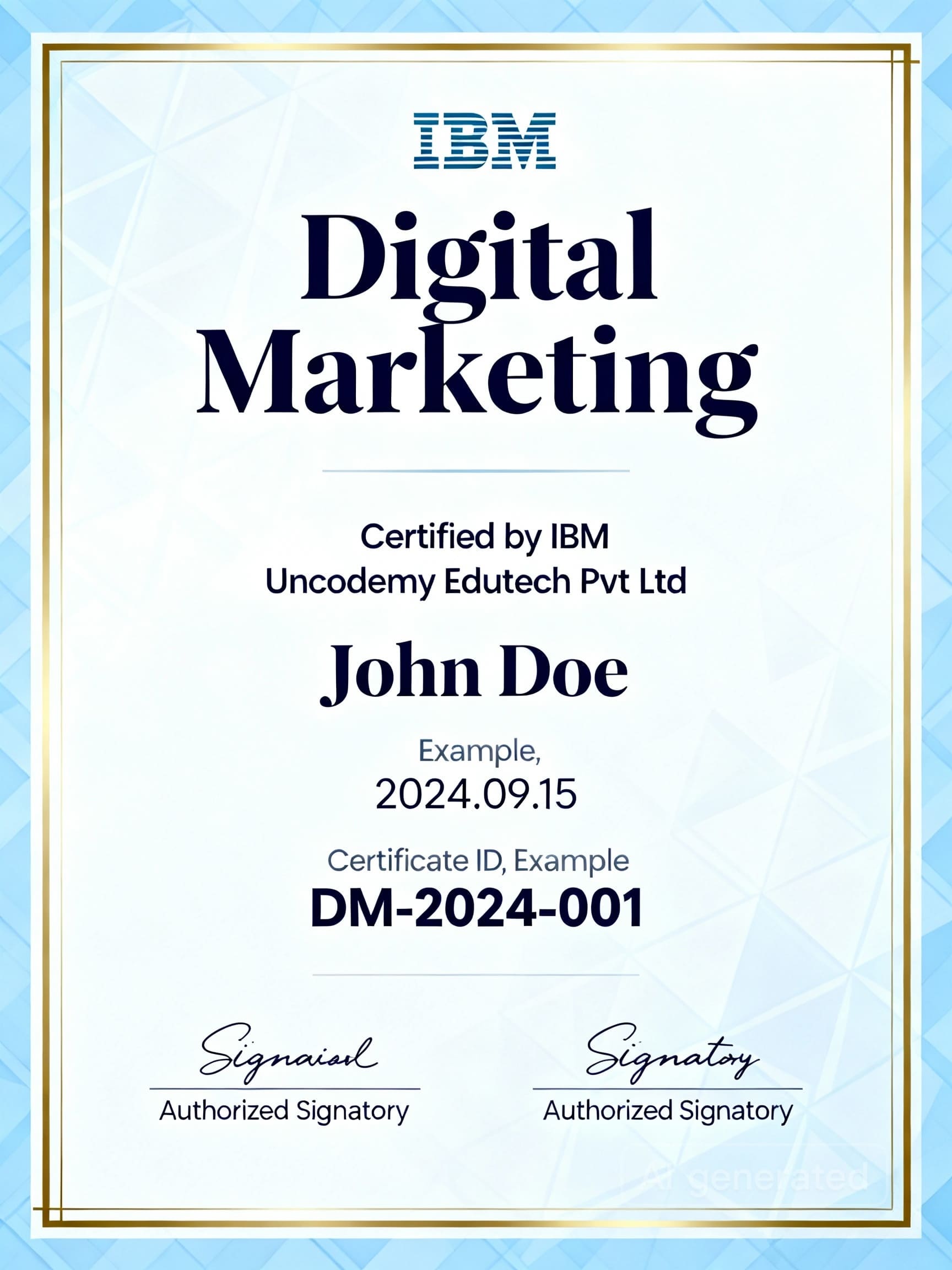
Digital Marketing — Training & Placement Program Learn Real Campaigns, Not Just Theory
A performance-driven digital marketing program designed to build strong skills in SEO, Ads, Analytics, Content Strategy & Automation to help you become a skilled marketing professional ready for real-world business campaigns.
- 📣 Skills Covered: SEO, Google Ads, Meta Ads, Email Marketing, Analytics
- 🛠️ Tools: Google Analytics, Search Console, SEMrush, Canva, CRM Tools
- ⏱️ Program Duration: 3–4 Months
- 💼 Average Salary Package: ₹4–15 LPA
- 🚀 Placement Support: Portfolio Campaigns + Interview Readiness
- 🎯 Career Paths: Digital Marketer, Performance Marketer, SEO Analyst, Campaign Manager

15000+ Professionals Trained

8+ Batches every month
50+ Industry expert trainers

2500+ Corporate Served
























.png)



.png)










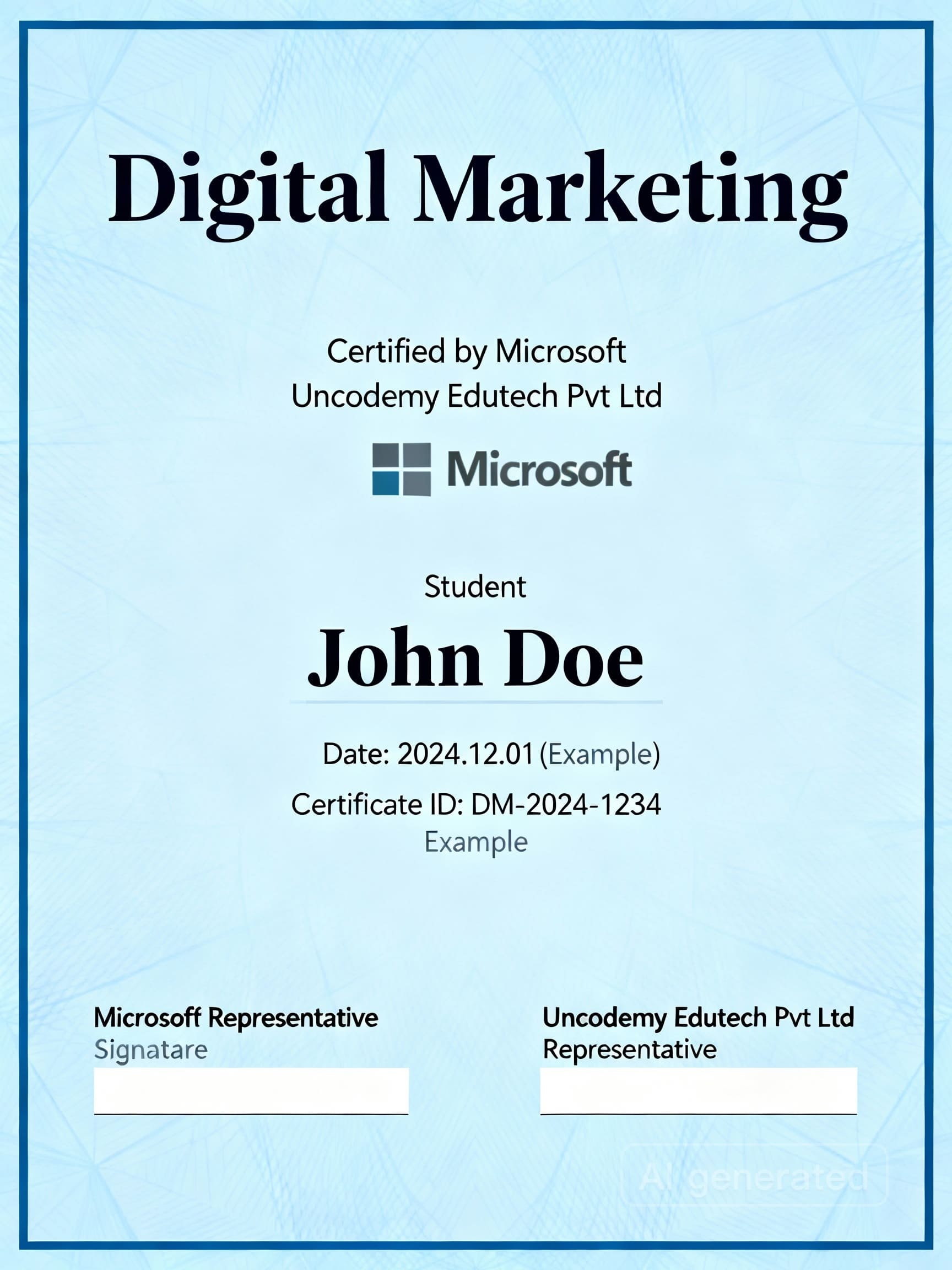
.png)
.png)

 ahrefs
 semrush
 kwfinder
 KeywordTool
 ubbersuggest
 Wordai
 Moz
Moz
 Spyfu
Spyfu
 Majestic
 Canva
Canva
 Grammerly
 Woorank
 keyword palnner
 Google analytics
 Mailchimp
 SEO
SEO
 yoast-seo
 Facebook
 Instagram
 LinkedIn
 youtube
 Search Console
 Google
Trends
Google
Trends
 Google
Ads
Google
Ads
 WordPress