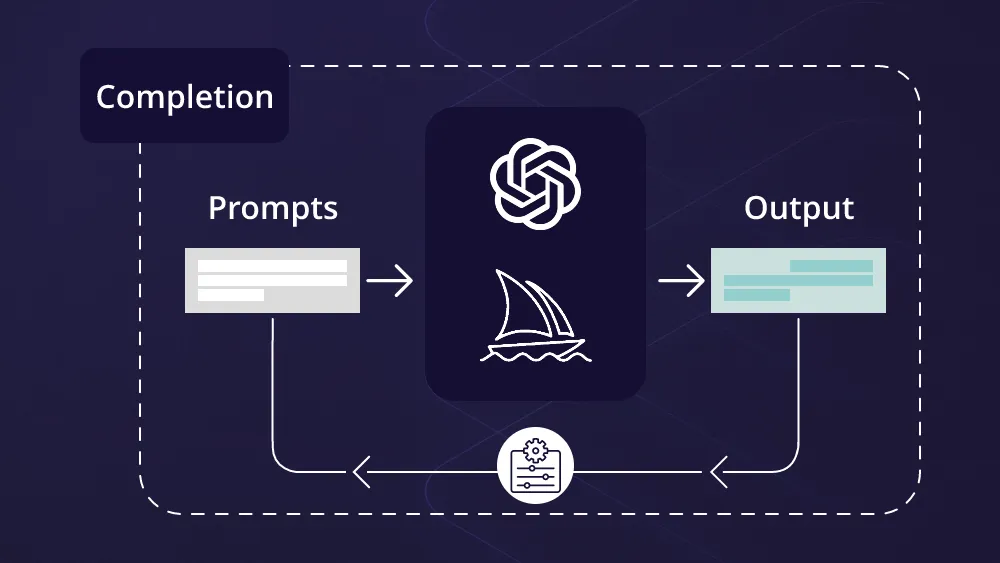
Learning prompt engineering isn’t just about typing a few words. It’s about understanding how AI thinks, processes, and responds. Whether you’re a student, developer, marketer, or content creator, mastering prompts can drastically boost your productivity and creativity.
In this guide, we’ll break down how to learn prompt engineering step-by-step, what tools and techniques to use, how to practice, and how you can build a strong career in this exciting new field.
Why Prompt Engineering Matters
Prompt engineering has become the core skill of the AI revolution. As generative AI models like GPT, Gemini, and DALL·E become more advanced, they rely heavily on human input to generate meaningful results.
A well-crafted prompt can:
- Generate better, more accurate responses.
- Save time by reducing trial and error.
- Produce more creative results for writing, design, and marketing.
- Improve data processing and problem-solving efficiency.
In short, prompt engineering bridges the gap between human intent and machine intelligence. It transforms vague ideas into actionable outputs.
Understanding the Basics of Prompt Engineering
Before diving into techniques, let’s first understand what prompt engineering really means.
A prompt is simply an instruction or query given to an AI model. However, the way you structure your prompt decides the quality of response you’ll get.
For example:
- ❌ Poor Prompt: “Write about marketing.”
- ✅ Smart Prompt: “Write a 300-word blog introduction on digital marketing trends in India for 2025, using an engaging and conversational tone.”
See the difference? The second prompt gives the AI clarity about what, where, when, and how.
Prompt engineering teaches you how to give AI context, structure, and constraints — just like giving directions to a person who’s never been to your city before.
Key Principles of Effective Prompt Engineering
To get smarter AI outputs, follow these proven prompt engineering principles:
1. Be Specific and Clear
The more specific your prompt, the better your output. Instead of saying “Explain AI,” say “Explain artificial intelligence in simple terms for a 12-year-old.”
2. Provide Context
Context helps the AI understand your goal. If you want a job description, mention the company type, skill level, and target audience.
3. Use Role-Based Prompts
Assign the AI a role for better results. For example:
“Act as a data science mentor and explain linear regression with examples.”
4. Set Constraints
Limit the scope with clear instructions like “in under 200 words,” “use bullet points,” or “avoid technical jargon.”
5. Iterate and Refine
AI responses improve with feedback. Rephrase or add details to fine-tune the output until it matches your intent.
6. Use Examples
Giving examples helps the AI understand your tone, format, or structure preferences.
These techniques may sound simple, but they drastically improve output quality when applied consistently.
Step-by-Step Guide: How to Learn Prompt Engineering
Let’s walk through a structured path to becoming confident in prompt crafting.
Step 1: Understand How AI Models Work
Start with the basics of how models like GPT or Claude interpret text. You don’t need a computer science degree—just a conceptual understanding that AI predicts text based on probabilities and context.
- Learn about tokens (how AI reads text in small parts).
- Understand that AI doesn’t “think” — it recognizes patterns.
- Remember that clear input = clear output.
Step 2: Study Prompt Patterns
There are prompt frameworks designed to guide results effectively. Some common ones include:
- Instruction-based: “Write an email to a client thanking them for their purchase.”
- Question-based: “What are the top 5 uses of AI in healthcare?”
- Role-based: “Act as a UX designer and review this interface.”
- Chain-of-thought prompting: Breaking down reasoning steps for better logic.
- Few-shot prompting: Giving examples to guide AI responses.
Step 3: Practice with Real Tools
Experiment with popular AI tools to understand response behavior:
- ChatGPT or GPT-4/5: For text and research prompts.
- Midjourney or DALL·E: For image generation prompts.
- Claude or Gemini: For reasoning-based prompts.
- RunwayML: For video prompts.
Try different writing styles, tone instructions, and structure commands to see how small tweaks change the results.
Step 4: Analyze Outputs
Each time you generate an output, study how the AI interpreted your prompt. Did it miss details? Did it misunderstand tone? Adjust and retry.
This reflective process helps you reverse-engineer what makes a good prompt.
Step 5: Learn from Communities
Join AI communities and follow experts who share prompt templates, challenges, and case studies.
Some active spaces include:
- Reddit’s r/PromptEngineering
- LinkedIn AI Creators
- Discord groups for Midjourney and ChatGPT users
Engaging with others helps you discover new prompt styles you might not think of on your own.
Step 6: Build a Prompt Portfolio
Just like designers have portfolios, prompt engineers can showcase their best prompts. Save examples where you achieved exceptional AI responses and organize them by category—writing, marketing, coding, design, etc.
This portfolio becomes valuable if you plan to apply for prompt engineer or AI consultant roles in the future.
Courses and Certifications to Learn Prompt Engineering
While you can self-learn, structured guidance accelerates progress. Some online platforms offer specialized courses in prompt engineering.
One highly recommended option is Uncodemy, which provides industry-oriented training focused on practical AI usage and prompt optimization.
Why Learn Prompt Engineering at Uncodemy:
- Step-by-step training from industry experts.
- Real projects involving ChatGPT, DALL·E, and other models.
- Hands-on assignments on prompt creation and testing.
- Placement assistance and interview preparation for AI roles.
- Access to a supportive learner community and mentors.
👉 Join Uncodemy’s AI and Prompt Engineering Course
Other popular global options include Coursera’s “Generative AI Specialization” and DeepLearning.AI’s “Prompt Engineering for ChatGPT.”
Career Opportunities in Prompt Engineering
Prompt engineering is one of the newest and fastest-growing AI careers. Many companies now hire specialists who can train, refine, and optimize AI systems using better prompts.
Common Roles Include:
- Prompt Engineer: Designing high-quality instructions for AI models.
- AI Interaction Designer: Creating structured conversational experiences.
- Generative AI Specialist: Developing creative and technical AI solutions.
- AI Content Strategist: Building marketing or brand assets through AI.
- Automation Consultant: Using prompt workflows to enhance business productivity.
Salary Range:
Prompt engineers can earn anywhere between ₹8 LPA to ₹25 LPA depending on experience, company size, and skill depth.
Common Mistakes to Avoid When Learning Prompt Engineering
As a beginner, it’s easy to make mistakes that limit AI performance. Here are a few pitfalls to watch for:
- Being too vague: Avoid generic commands like “write something interesting.”
- Overloading prompts: Too much information confuses the model.
- Ignoring feedback: Don’t settle for the first answer—refine it.
- Skipping structure: Use bullets, examples, or numbered steps for clarity.
- Not experimenting: Great prompts come from curiosity and trial.
Remember, prompt engineering is about continuous learning and exploration.
Real-World Applications of Prompt Engineering
Prompt engineering isn’t just for programmers. It’s transforming multiple industries:
- Marketing: Creating ad copies, email campaigns, and SEO blogs.
- Education: Designing quizzes, learning materials, and study guides.
- Software Development: Generating code snippets or debugging tips.
- Design: Producing visual art, logos, and mockups via AI prompts.
- Customer Support: Writing chatbot responses for businesses.
- Research: Summarizing data, reports, or academic content.
The versatility of prompt engineering makes it a universal skill — useful for almost any profession that interacts with AI tools.
Tips to Master Prompt Engineering Faster
1. Experiment daily: Spend 10–15 minutes playing with different prompts.
2. Document everything: Save your successful prompts and learn patterns.
3. Study human psychology: Understanding intent improves how you communicate with AI.
4. Follow AI updates: New models have new behaviors—stay current.
5. Collaborate with peers: Join challenges or hackathons to test your skills.
Consistency is the real key here. You don’t master prompt engineering by reading alone — you master it by experimenting and reflecting every day.
The Future of Prompt Engineering
As AI systems grow more intelligent, prompt engineering will evolve into AI orchestration, where humans manage not just one but multiple AI tools working together.
In the coming years, we’ll see:
- Smarter multi-modal prompts (text + image + audio).
- Prompt libraries used across industries.
- Tools that help auto-optimize prompts for specific outcomes.
- Dedicated prompt engineering roles in every creative and technical team.
Those who learn early will have a strong advantage, as businesses increasingly depend on AI-assisted workflows.
Conclusion
Learning prompt engineering is like learning a new language — the language of communicating with AI. With the right mindset, tools, and structured practice, anyone can master it, even without a technical background.
Whether you’re a content creator, marketer, or student, this skill will help you get smarter, faster, and more effective outputs from every AI model you use.
If you’re serious about learning prompt engineering the right way, start with a guided course like Uncodemy’s Artificial Intelligence Program in Noida, experiment daily, and keep refining your prompts.
In the age of AI, those who know how to ask the right questions will lead the future — and prompt engineering is the art of doing exactly that.